Key Takeaways & Executive Findings
- •• AI-enabled wearable with BNNT-based piezoelectric film enables accurate joint torque sensing. • Inverse-designed structure optimizes biomechanical compatibility for enhanced knee motion tracking. • High-sensitivity BNNTs/PDMS composite allows precise and dynamic knee motion signal detection. • Lightweight neural network processes complex signals for accurate torque, angle, and load estimation.
Abstract
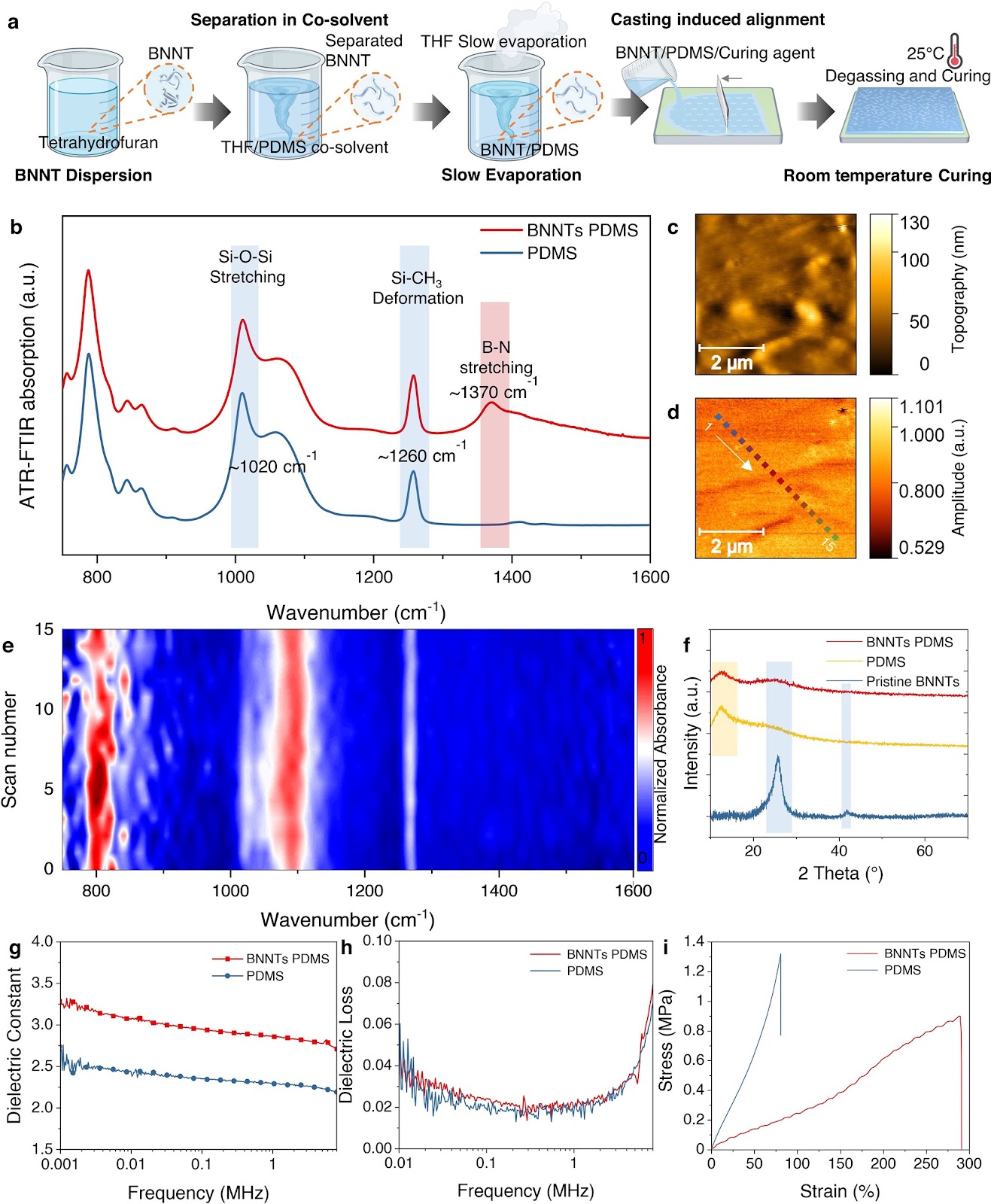
Joint health is critical for musculoskeletal (MSK) conditions that are affecting approximately one-third of the global population. Monitoring of joint torque can offer an important pathway for the evaluation of joint health and guided intervention. However, there is no technology that can provide the precision, effectiveness, low-resource setting, and long-term wearability to simultaneously achieve both rapid and accurate joint torque measurement to enable risk assessment of joint injury and long-term monitoring of joint rehabilitation in wider environments. Herein, we propose a piezoelectric boron nitride nanotubes (BNNTs)-based, AI-enabled wearable device for regular monitoring of joint torque. We first adopted an iterative inverse design to fabricate the wearable materials with a Poisson’s ratio precisely matched to knee biomechanics. A highly sensitive piezoelectric film was constructed based on BNNTs and polydimethylsiloxane and applied to precisely capture the knee motion, while concurrently realizing self-sufficient energy harvesting. With the help of a lightweight on-device artificial neural network, the proposed wearable device was capable of accurately extracting targeted signals from the complex piezoelectric outputs and then effectively mapping these signals to their corresponding physical characteristics, including torque, angle, and loading. A real-time platform was constructed to demonstrate the capability of fine real-time torque estimation. This work offers a relatively low-cost wearable solution for effective, regular joint torque monitoring that can be made accessible to diverse populations in countries and regions with heterogeneous development levels, potentially producing wide-reaching global implications for joint health, MSK conditions, ageing, rehabilitation, personal health, and beyond.
1. Introduction
Musculoskeletal (MSK) conditions are a leading cause of disability worldwide, affecting approximately 1.71 billion people in 2019 and placing a significant burden on healthcare systems and economies [1–4]. Among the major MSK disorders, joint-related conditions such as osteoarthritis and rheumatoid arthritis significantly impact mobility and rehabilitation needs [5, 6]. These conditions not only compromise joint stability but also increase susceptibility to injuries, creating a cycle that leads to chronic pain, reduced function, and long-term disability [7]. Given the increasing prevalence of MSK disorders, particularly among high-risk populations such as the elderly and individuals with obesity, reliable methods for joint health monitoring are essential [2, 8–11].
A key factor in joint health assessment is the ability to quantify joint torque, which plays a crucial role in understanding internal joint mechanics, injury risk, and rehabilitation progress [12, 13]. Joint torque, influenced by joint angles, motion speed, external loads, and muscle activation, directly reflects internal joint stresses [13]. Excessive torque, particularly in joints like the knee, is a primary factor in injuries such as ligament tears, meniscus damage, and tendon overload [14, 15]. The knee joint, classified as a modified hinge joint, is one of the most mechanically complex load-bearing structures in the human body [16]. It primarily provides two degrees of freedom: flexion–extension and axial rotation. Flexion and extension are the dominant motions, typically ranging from ~0° to 135°, depending on individual anatomy and activity [17]. Axial rotation occurs to a limited extent when the knee is flexed, while minor lateral movements (abduction/adduction) may occur under specific conditions as passive responses to external forces. However, existing methods for assessing joint torque, including isokinetic dynamometry [18], and inverse dynamics models [19], are confined to laboratory settings, or require complex motion capture setups, limiting their feasibility for real-world applications. The direct measurement of joint torque remains a challenge, necessitating innovative wearable solutions.
Loading authentic research manuscript (Pages 1–5)...
Jinke Chang, Jinchen Li, Jiahao Ye, Bowen Zhang, Jianan Chen, Yunjia Xia, Jingyu Lei, Tom Carlson, Rui Loureiro, Alexander M. Korsunsky, Jin-Chong Tan, Hubin Zhao (2025). AI-Enabled Piezoelectric Wearable for Joint Torque Monitoring. Nano-Micro Letters. https://doi.org/10.1007/s40820-025-01753-w
Research & Educational Purpose Only:The translations, structured abstracts, analytical annotations, and data reports provided by SinoTechIntel are intended exclusively for academic research, internal corporate R&D, and educational benchmarking. They do not constitute formal engineering, chemical safety, legal, or professional advice.
Copyright & Intellectual Property Notice: Original copyright of the underlying source articles and experimental data remains with the respective authors, institutions, and original publishing journals. SinoTechIntel claims intellectual property only over its proprietary translations, analytical syntheses, and AEO structured enhancements in accordance with international fair use and academic citation principles.
Frequently Asked Questions
What is the main innovation of this wearable device?
The device integrates boron nitride nanotube-based piezoelectric film with AI to enable accurate, real-time joint torque monitoring in a low-cost, wearable form.
How does the device achieve high sensitivity?
The piezoelectric film uses BNNTs/PDMS composite, and the structure is inverse-designed to match knee biomechanics, enhancing signal detection.
What role does AI play in this system?
A lightweight on-device neural network processes complex piezoelectric signals to estimate torque, angle, and load accurately.
Can this device be used for daily monitoring?
Yes, it is designed for long-term wearability and real-time monitoring, making it suitable for daily use and rehabilitation tracking.
What are the potential applications of this technology?
It can be used for joint health assessment, injury risk evaluation, rehabilitation monitoring, and personalized healthcare, especially in low-resource settings.
Related Technical Papers & Translations
Direct Repair of the Crystal Structure and Coating Surface of Spent LiFePO4 Materials Enables Superfast Li-Ion Migration
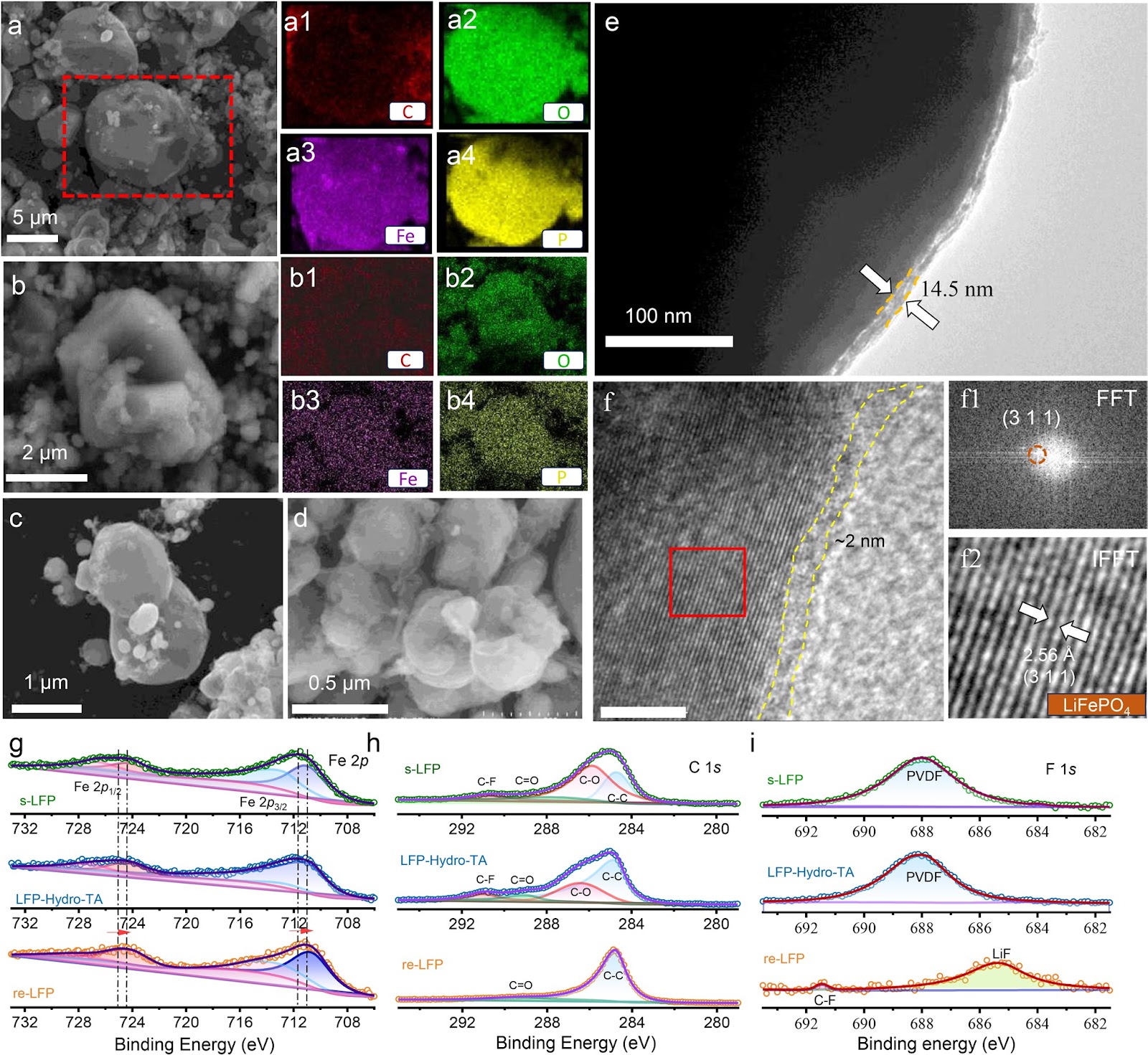
The rapid accumulation of spent LiFePO4 (LFP) cathodes from retired lithium-ion batteries necessitates the development of effective and environmental-friendly recycling strategies. In this context, direct regeneration has emerged as a promising approach for reclaiming LFP cathode materials, offering a streamlined pathway to restore their electrochemical functionality. We report an integrated regeneration protocol that simultaneously repairs the degraded crystal structure and reconstructs the damaged carbon coating in spent LFP. The regenerated cathode material had superfast lithium-ion diffusion kinetics and a stable cathode–electrolyte interface, giving a remarkable rate capability with specific capacities of 122 mAh g−1 at 5C and 106 mAh g−1 at 10C (1C = 170 mA g−1). It also maintained capacities of 110.7 mAh g−1 (5C) and 84.1 mAh g−1 (10C) after 400 cycles. It could be used in harsh environments and could be stably cycled at subzero temperatures (−10 and −20 °C) and in solid-state electrolyte batteries. Life cycle assessment combined with economic evaluation using the EverBatt model reveals that this direct regeneration approach has high economic and environmental benefits.
Oxide Semiconductor for Advanced Memory Architectures: Atomic Layer Deposition, Key Requirement and Challenges
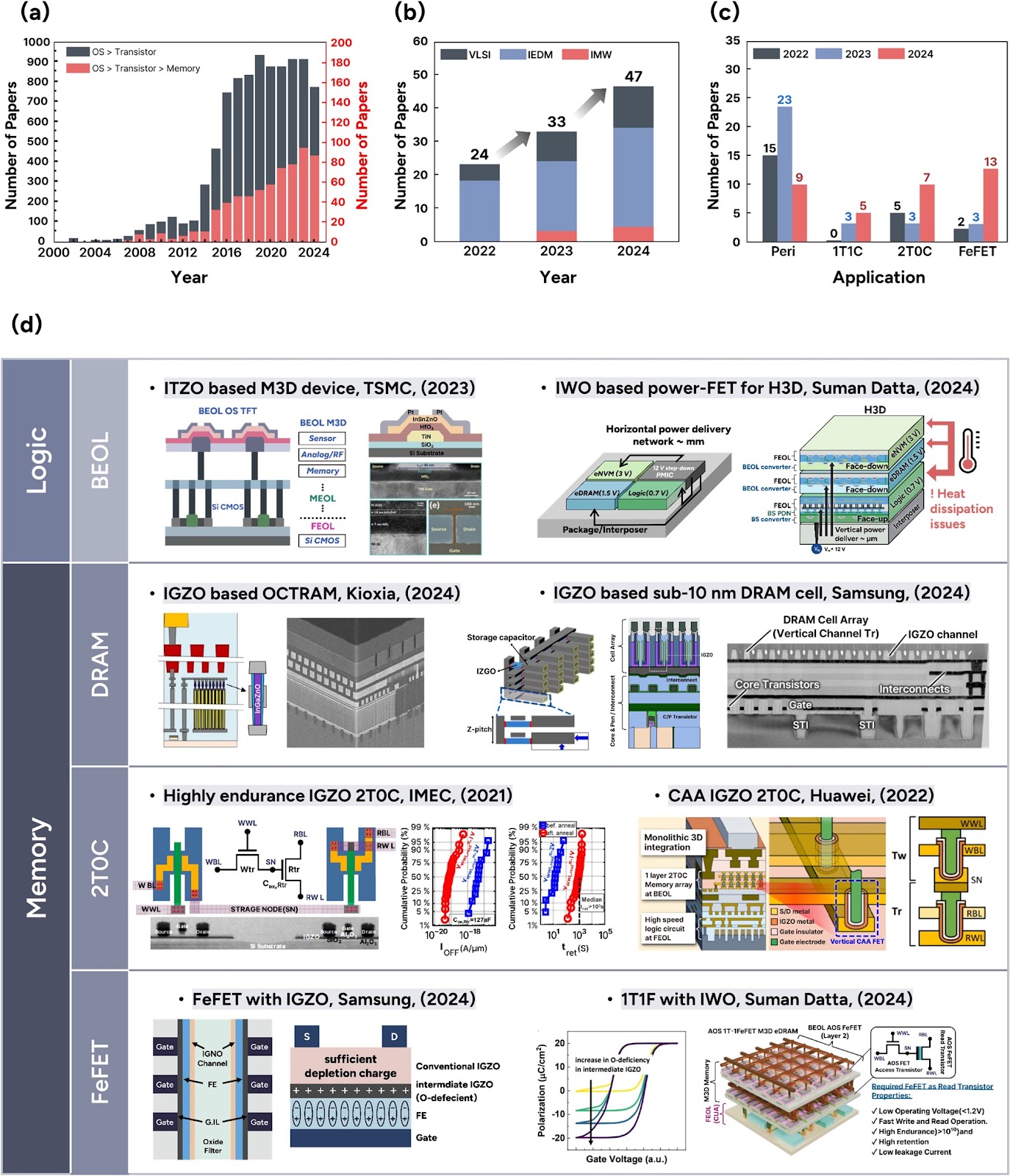
Oxide semiconductors (OSs), introduced by the Hosono group in the early 2000s, have evolved from display backplane materials to promising candidates for advanced memory and logic devices. The exceptionally low leakage current of OSs and compatibility with three-dimensional (3D) architectures have recently sparked renewed interest in their use in semiconductor applications. This review begins by exploring the unique material properties of OSs, which fundamentally originate from their distinct electronic band structure. Subsequently, we focus on atomic layer deposition (ALD), a core technique for growing excellent OS films, covering both basic and advanced processes compatible with 3D scaling. The basic surface reaction mechanisms—adsorption and reaction—and their roles in film growth are introduced. Furthermore, material design strategies, such as cation selection, crystallinity control, anion doping, and heterostructure engineering, are discussed. We also highlight challenges in memory applications, including contact resistance, hydrogen instability, and lack of p-type materials, and discuss the feasibility of ALD-grown OSs as potential solutions. Lastly, we provide an outlook on the role of ALD-grown OSs in memory technologies. This review bridges material fundamentals and device-level requirements, offering a comprehensive perspective on the potential of ALD-driven OSs for next-generation semiconductor memory devices.
Laser powder bed fusion of biodegradable Zn-4Cu alloy: Processing, microstructure and properties
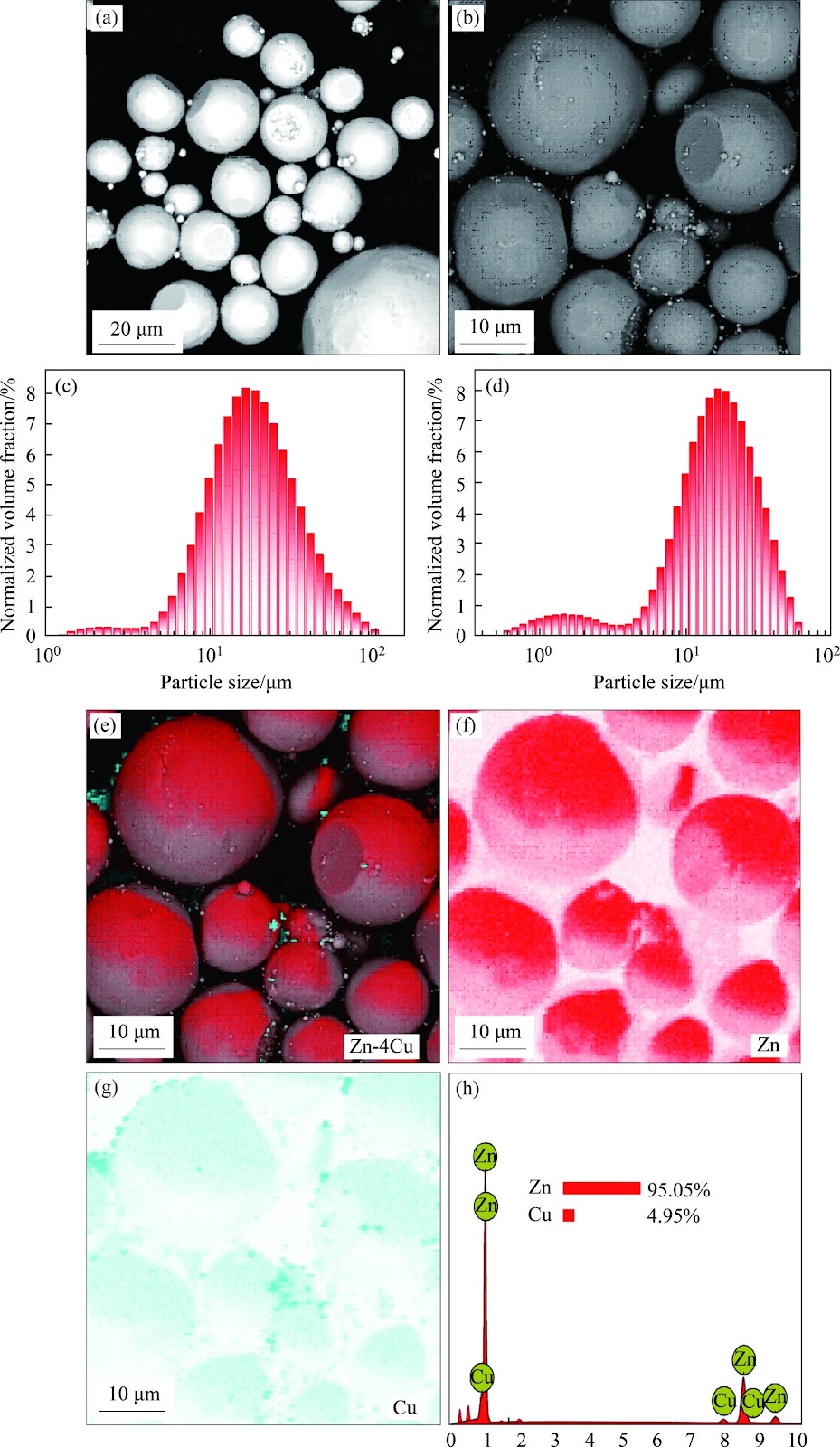
Zn's natural degradability and biocompatibility make it a promising candidate for implants, however, its mechanical properties remain insufficient for bone applications. In this study, the performance of Zn was enhanced by developing Zn-Cu alloys via laser powder bed fusion (LPBF). Optimal LPBF parameters for forming stable tracks were achieved by adjusting laser power and scanning speed. Under optimized conditions of 100 W and 100 mm/s, high-density (99.58%) Zn-Cu alloys with improved hardness (68.2HV) and yield strength (160 MPa) were achieved. These improvements are attributed to solid solution strengthening, segregation strengthening, and grain refinement. The Zn-Cu alloys also demonstrated favorable degradation behavior, with a rate of 0.16 mm/year. This degradation is primarily driven by micro-galvanic corrosion between the CuZn5 phase and Zn matrix, along with refined grains and increased grain boundary density. This work demonstrates a viable strategy for fabricating Zn-based implants with enhanced structural integrity and mechanical performance via LPBF.