Key Takeaways & Executive Findings
- •• A comprehensive nonlinear model of electro-hydraulic power-shift systems incorporating pipeline characteristics was developed and validated experimentally, showing high accuracy. • The model including pipeline parameters aligns more closely with experimental data than models without, highlighting the importance of pipeline effects. • Damping coefficient, feedback cavity orifice diameter, and pipeline length critically affect system stability, while spring stiffness has minimal impact. • The findings provide practical insights for optimizing electro-hydraulic control modules in intelligent chassis systems for automotive and construction machinery.
Abstract
This research presents an advanced study on the modeling and stability analysis of electro-hydraulic control modules used in intelligent chassis systems. Firstly, a comprehensive nonlinear mathematical model of the electro-hydraulic power-shift system is developed, incorporating pipeline characteristics through impedance analysis and examining coupling effects between the pilot solenoid valve, main valve, and pipeline. Then, the model's accuracy is validated through experimental testing, demonstrating high precision and minimal model errors. A comparative analysis between simulation data (both with and without pipeline characteristics) and experimental results reveals that the model considering pipeline parameters aligns more closely with experimental data, highlighting its superior accuracy. The research further explores the influence of key factors on system stability, including damping coefficient, feedback cavity orifice diameter, spring stiffness, pipeline length, and pipeline diameter. Significant findings include the critical impact of damping coefficient, orifice diameter, and pipeline length on stability, while spring stiffness has a minimal effect. These findings provide valuable insights for optimizing electro-hydraulic control modules in intelligent chassis systems, with practical implications for automotive and construction machinery applications.
1. Introduction
The development of intelligent chassis systems represents a significant advancement in automotive engineering, aiming to enhance vehicle performance, safety, and comfort through sophisticated control mechanisms. Electro-hydraulic systems combine hydraulic and electrical technologies to provide precise control and improved performance over traditional hydraulic systems. The fundamental principle involves using electrical signals to control hydraulic actuators, which in turn regulate fluid flow and pressure in response to system demands. These systems are integral to modern automotive applications, such as automated transmissions [1–3], advanced suspension systems [4], brake systems [5] and steering systems [6, 7], where they offer significant improvements in response time, accuracy, and reliability.
Among the critical actuators facilitating automatic control, the electro-hydraulic power-shift system (EHPSS) has emerged as a focal point due to its substantial impact on actuator performance [8]. To meet the requirements for high power, rapid response, and high reliability, a two-stage structure is often adopted in EHPSS for high-power electro-hydraulic shifting systems, such as those used in wet clutches [9, 10]. This configuration typically consists of a high-speed pilot solenoid valve, an amplifier-stage main valve, and an oil pipeline [11, 12]. Despite extensive research efforts aimed at improving the system's response characteristics, fully understanding the detailed working mechanisms of EHPSS remains challenging.
Loading authentic research manuscript (Pages 1–5)...
Fei Meng, Yanfei Ren, Junqiang Xi (2025). Advanced Modeling and Stability Analysis of Electro-Hydraulic Control Modules for Intelligent Chassis Systems. Chinese Journal of Mechanical Engineering. https://doi.org/10.1186/s10033-025-01339-y
Research & Educational Purpose Only:The translations, structured abstracts, analytical annotations, and data reports provided by SinoTechIntel are intended exclusively for academic research, internal corporate R&D, and educational benchmarking. They do not constitute formal engineering, chemical safety, legal, or professional advice.
Copyright & Intellectual Property Notice: Original copyright of the underlying source articles and experimental data remains with the respective authors, institutions, and original publishing journals. SinoTechIntel claims intellectual property only over its proprietary translations, analytical syntheses, and AEO structured enhancements in accordance with international fair use and academic citation principles.
Frequently Asked Questions
What is the main focus of this research?
The research focuses on advanced modeling and stability analysis of electro-hydraulic control modules used in intelligent chassis systems, particularly the electro-hydraulic power-shift system (EHPSS).
How was the model validated?
The model was validated through experimental testing, demonstrating high precision and minimal model errors. Comparative analysis showed that the model including pipeline parameters aligns more closely with experimental data.
What are the key factors affecting system stability?
The study found that damping coefficient, feedback cavity orifice diameter, and pipeline length critically impact stability, while spring stiffness has minimal effect.
What are the practical implications of this research?
The findings provide valuable insights for optimizing electro-hydraulic control modules in intelligent chassis systems, with practical applications in automotive and construction machinery.
What is the significance of incorporating pipeline characteristics?
Incorporating pipeline characteristics through impedance analysis improves model accuracy, as the model with pipeline parameters aligns more closely with experimental data than models without.
Related Chinese Research & Cross-Citations
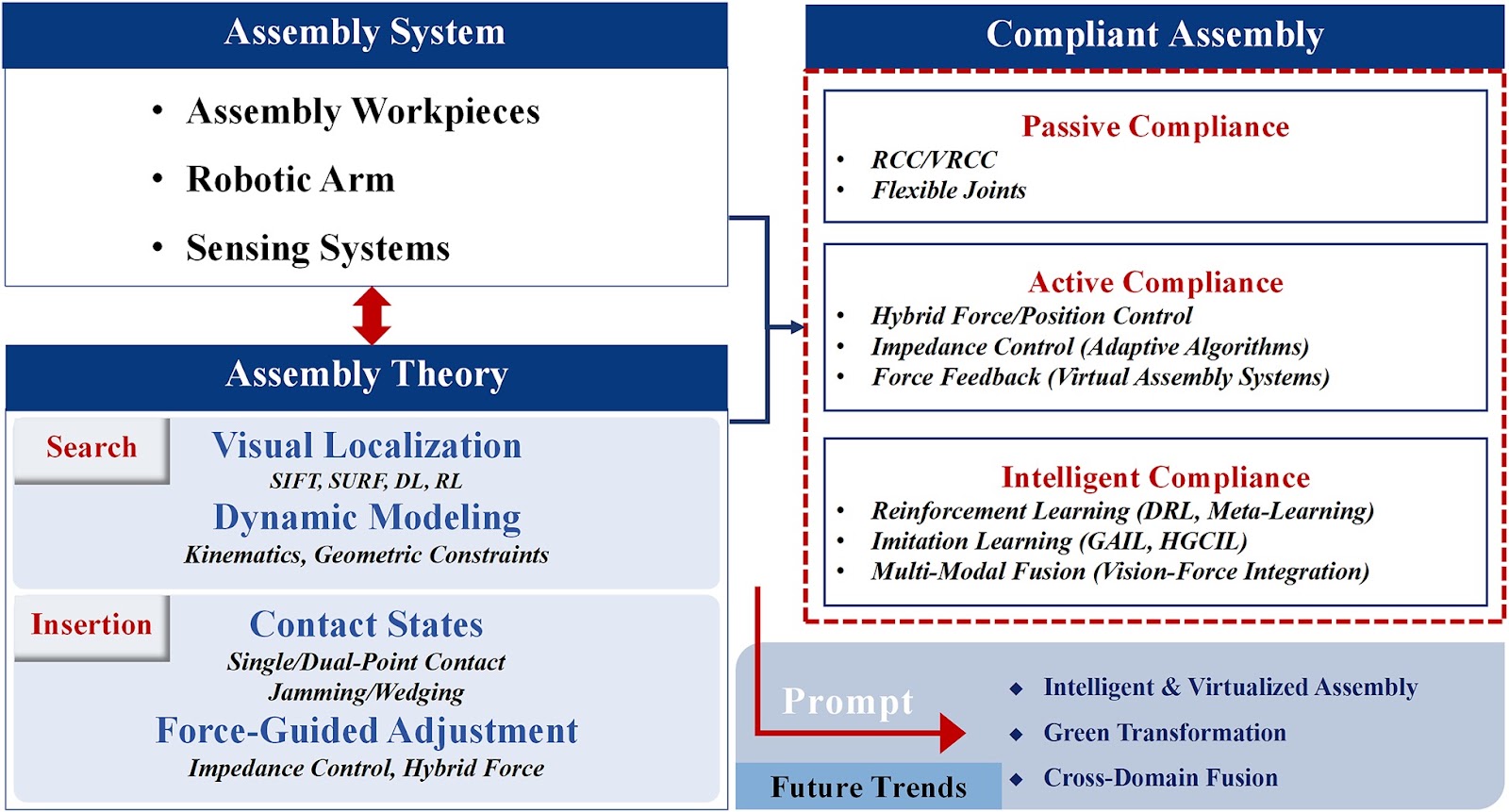
Advances in Robotic Peg-in-Hole Assembly: A Comprehensive Review
As the demands for assembly quality and efficiency increase, robot-assisted assembly applications are becoming more widespread. Peg-in-hole assembly, as a typical form of assembly, has been widely researched by scholars. Currently, robotic peg-in-hole assembly faces challenges such as complex analysis of part contact forces, difficulties in task modeling, and the failure of traditional strategies. Simply controlling the position of the robot’s end effector cannot achieve high precision, high efficiency peg-in-hole assembly. Flexible assembly, especially intelligent flexible assembly, is becoming the future development trend. So there is a lack of comprehensive reviews on robotic flexible peg-in-hole assembly. This paper first outlines the basic components of peg-in-hole assembly and summarizes the two basic operational processes of peg-in-hole assembly, along with their related theoretical foundations. We then review and analyze the research on passive compliant assembly, active compliant assembly, and intelligent flexible assembly. Finally, it presents an outlook on the future development directions of robotic peg-in-hole assembly.
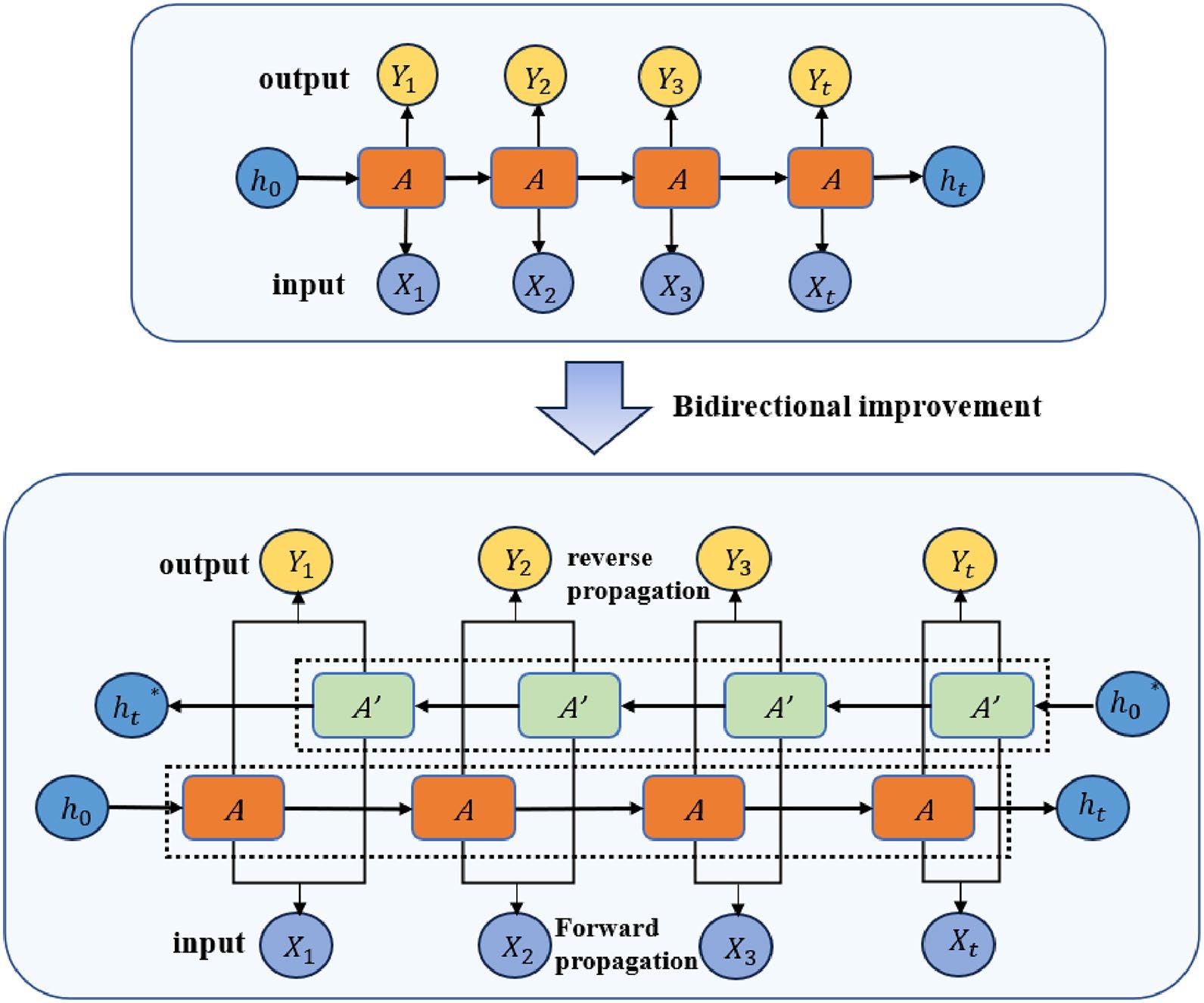
Robust Tube-MPC Trajectory Tracking Control for Four-Wheel Independent Steering Vehicles on Intermittent Snowy and Icy Roads
Four-Wheel Independent Steering (4WIS) Vehicles can independently control the angle of each wheel, demonstrating superior trajectory tracking performance under normal conditions. However, on intermittent icy and snowy roads, the presence of time-varying adhesion coefficients, time-varying cornering stiffness, and the irregularities due to ice and snow accumulation introduce multiple uncertainties into the steering system, significantly degrading the trajectory tracking performance of 4WIS vehicles. In response, this paper proposes a robust Tube Model Predictive Control (Tube-MPC) trajectory tracking control method for 4WIS. In this method, a Bi-directional Long Short-Term Memory neural network is established for online estimation of tire cornering stiffness under different road adhesion coefficients, providing accurate estimation of time-varying cornering stiffness for each wheel to mitigate the uncertainties of time-varying adhesion coefficients and cornering stiffness. Additionally, considering the road irregularities caused by snow accumulation on intermittent icy and snowy roads, a trajectory tracking controller that integrates Tube-MPC and robust Sliding Mode Control is proposed. The nominal MPC model, developed from the estimated tire cornering stiffness, utilizes the sliding surface and the optimal auxiliary control unit law for the tube is derived from the reaching law in Tube-MPC, aiming to minimize the trajectory tracking error while enhancing the controller’s robustness against road uncertainties. The experiments show that the proposed method outperforms the Tube-MPC algorithm in terms of trajectory accuracy and robustness. This method demonstrates excellent trajectory tracking accuracy under intermittent icy and snowy road conditions, and it lays a theoretical foundation for future studies on vehicle stability and trajectory tracking under such road conditions.
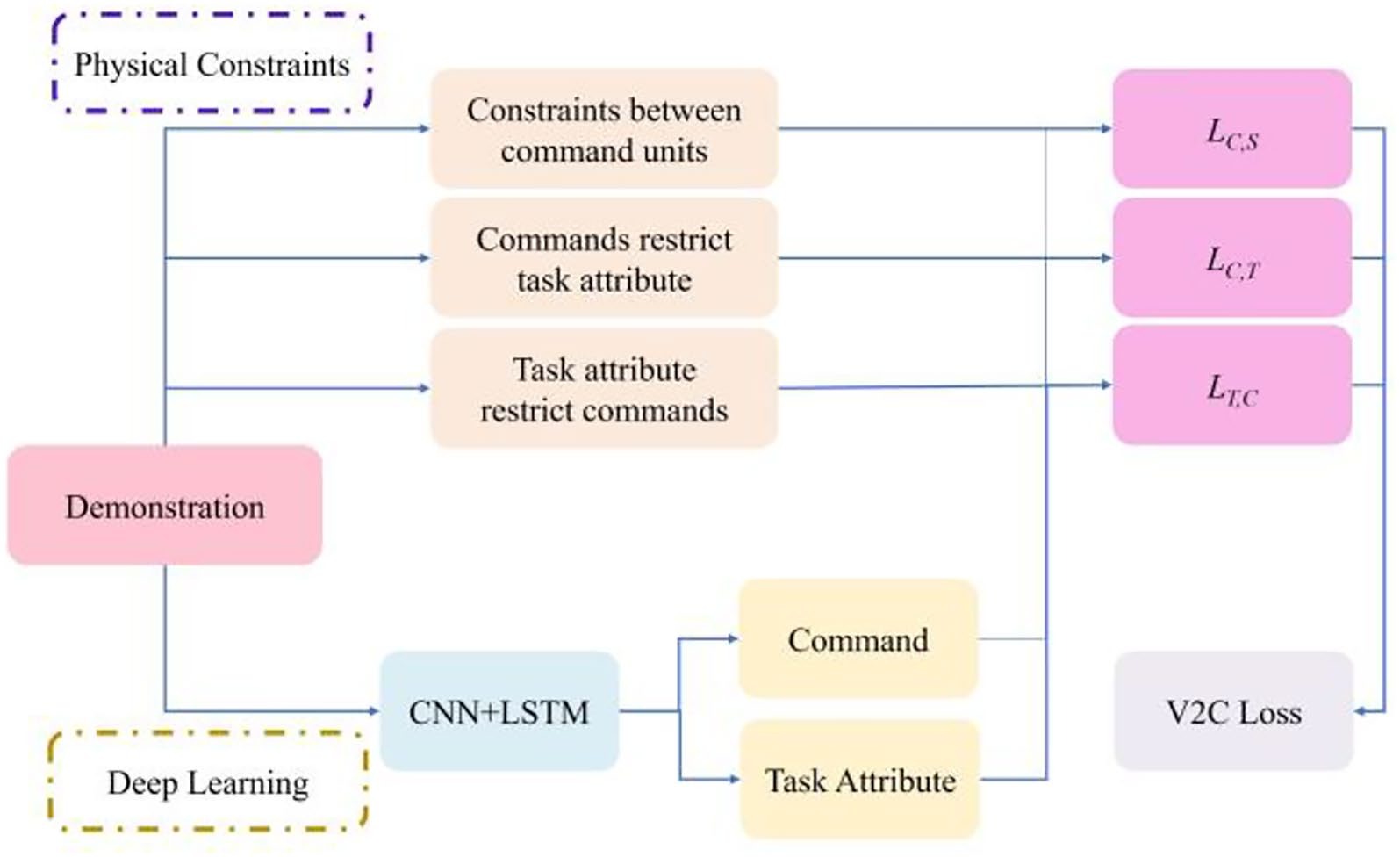
Learning Manipulation from Expert Demonstrations Based on Multiple Data Associations and Physical Constraints
Learning from demonstration is widely regarded as a promising paradigm for robots to acquire diverse skills. Other than the artificial learning from observation-action pairs for machines, humans can learn to imitate in a more versatile and effective manner: acquiring skills through mere “observation”. Video to Command task is widely perceived as a promising approach for task-based learning, which yet faces two key challenges: (1) High redundancy and low frame rate of fine-grained action sequences make it difficult to manipulate objects robustly and accurately. (2) Video to Command models often prioritize accuracy and richness of output commands over physical capabilities, leading to impractical or unsafe instructions for robots. This article presents a novel Video to Command framework that employs multiple data associations and physical constraints. First, we introduce an object-level appearance-contrasting multiple data association strategy to effectively associate manipulated objects in visually complex environments, capturing dynamic changes in video content. Then, we propose a multi-task Video to Command model that utilizes object-level video content changes to compile expert demonstrations into manipulation commands. Finally, a multi-task hybrid loss function is proposed to train a Video to Command model that adheres to the constraints of the physical world and manipulation tasks. Our method achieved over 10% on BLEU_N, METEOR, ROUGE_L, and CIDEr compared to the up-to-date methods. The dual-arm robot prototype was established to demonstrate the whole process of learning from an expert demonstration of multiple skills and then executing the tasks by a robot.
High Heat-fade Resistance, Metal-free Resin-based Brake Pads: A Step towards Replacing Copper by Using Andalusite
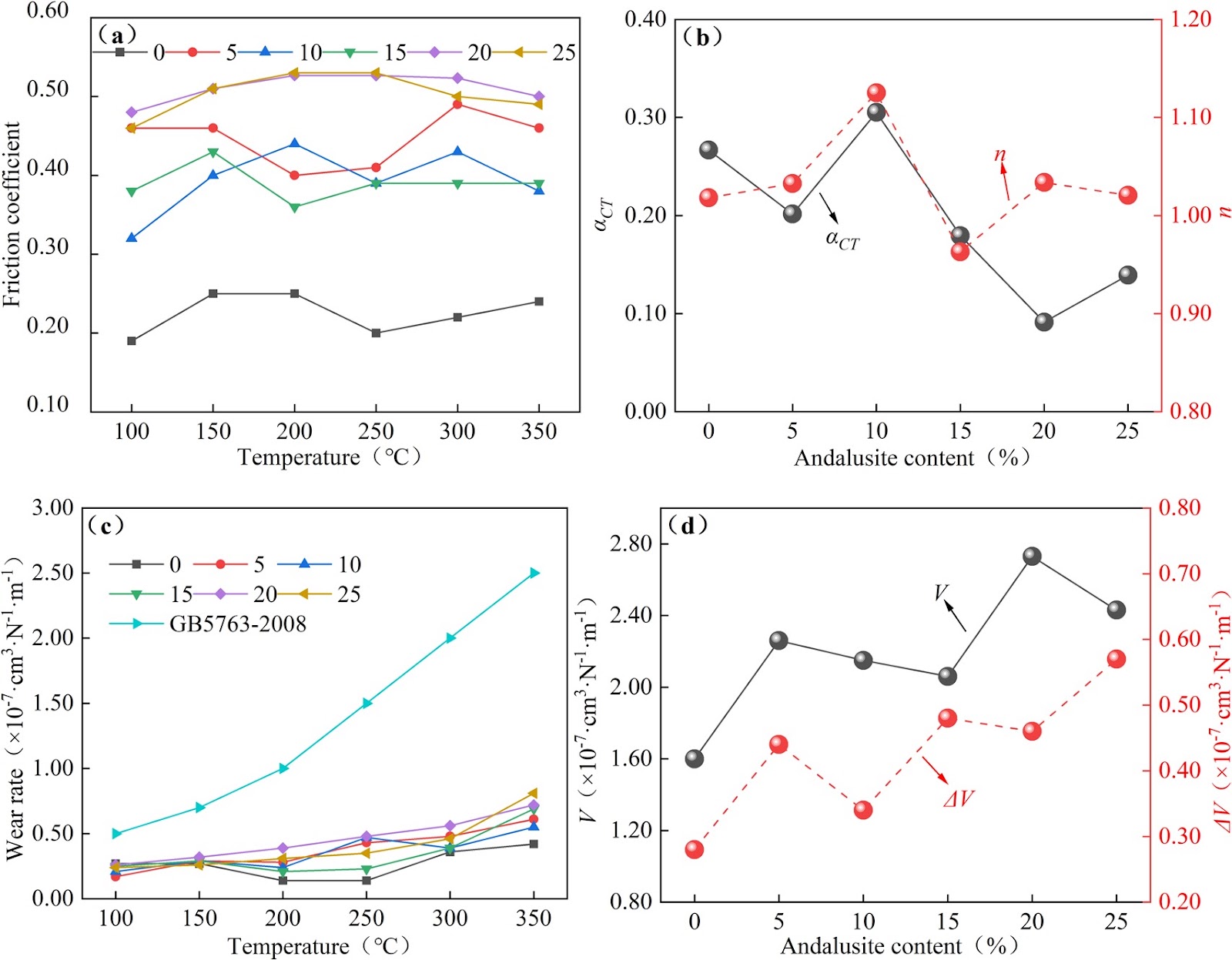
The emission of copper-containing particulate matter during braking poses a threat to the natural environment, yet copper plays a crucial role in resin-based brake pads. Developing a copper-free brake pad with high heat-fade resistance has emerged as a significant current topic. This study employs andalusite-filled resin-based brake pads as a replacement for copper in brake pads. It investigates the effects of andalusite mesh size and content on the physical properties, mechanical properties, and tribological wear performance of the brake pads, and explores the wear mechanism of andalusite-filled copper-free resin-based brake pads. The results indicate that adding andalusite to the brake pads enhances their thermal stability, hardness, impact strength, and density, effectively improving the medium-to-high temperature friction coefficient and heat-fade resistance of the brake pads. As the mesh size of andalusite increases, the hardness of the brake pads also increases, while the impact strength initially increases and then decreases. As the weight content of andalusite increases, the hardness and impact strength of the brake pads gradually increase. When the andalusite mesh size is 320 mesh and the content is 20%, the brake pads exhibit good comprehensive tribological wear performance. The addition of andalusite not only increases the medium-to-high temperature friction coefficient of the brake pads but also strengthens their high-temperature friction surface. This study successfully replaces copper, which is harmful to the environment and costly, with andalusite in brake pads, obtaining a high heat-fade resistance metal-free resin-based brake pad.
A Comprehensive Review of Key Technologies for Robot Motion Planning in Contact Tasks in Industrial Automation Scenarios
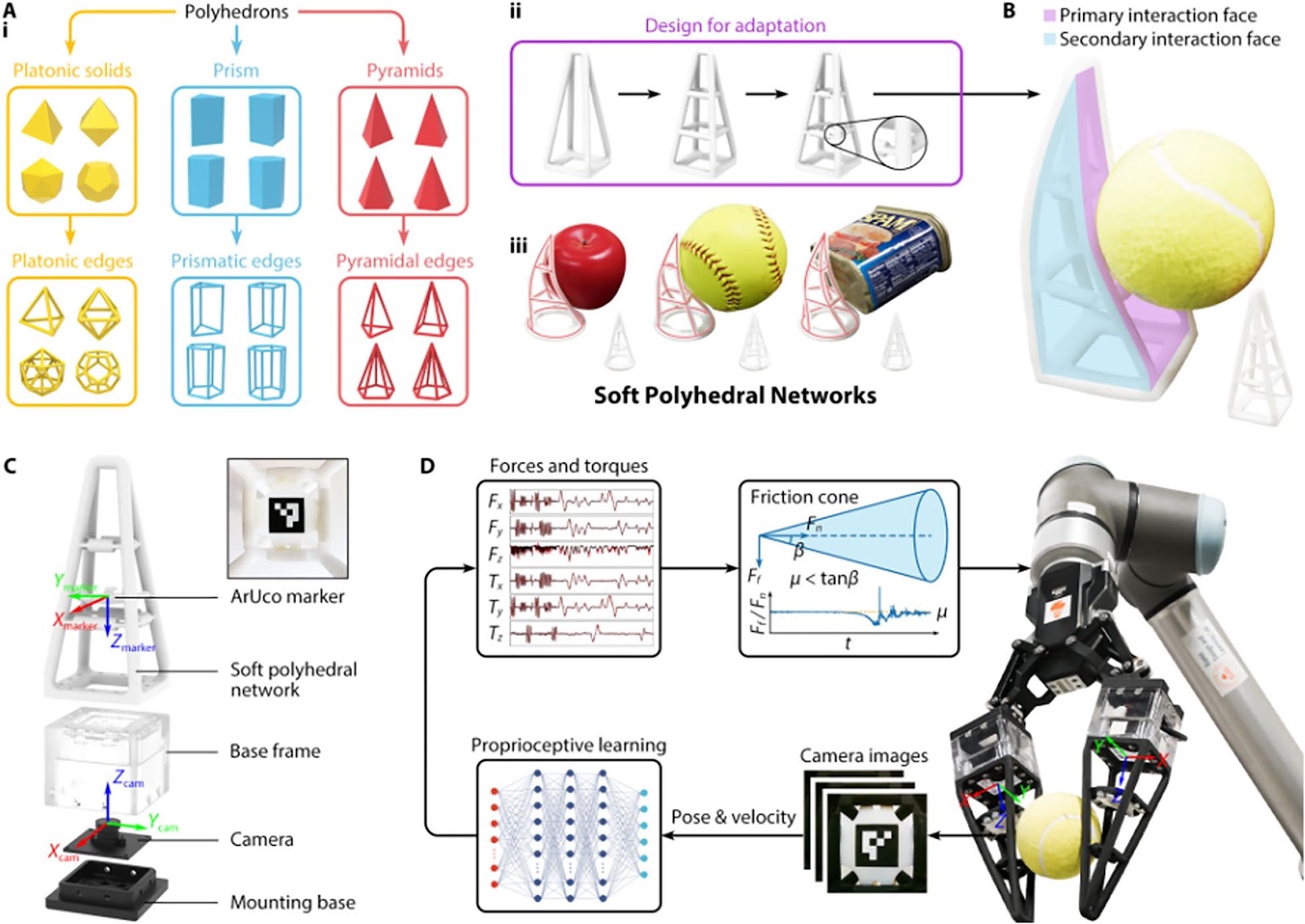
With the swift advancement of industrial automation, robots have emerged as an essential component in emerging industries and high-end equipment, thereby propelling industrial production towards greater intelligence and efficiency. This paper reviews the pivotal technologies for motion planning of robots engaged in contact tasks within industrial automation contexts, encompassing environmental recognition, trajectory generation strategies, and sim-to-real transfer. Environmental recognition technology empowers robots to accurately discern objects and obstacles in their operational environment. Trajectory generation strategies formulate optimal motion paths based on environmental data and task specifications. Sim-to-real transfer is committed to effectively translating strategies from simulated environments to actual production, thereby diminishing the discrepancies between simulation and reality. The article also delves into the application of artificial intelligence in robot motion planning and how embodied intelligence models catalyze the evolution of robotics technology towards enhanced intelligence and automation. The paper concludes with a synthesis of the methodologies addressing this challenge and a perspective on the myriad challenges that warrant attention.

A Knowledge Push Method of Complex Product Assembly Process Design Based on Distillation Model-Based Dynamically Enhanced Graph and Bayesian Network
Under the paradigm of Industry 5.0, intelligent manufacturing transcends mere efficiency enhancement by emphasizing human-machine collaboration, where human expertise plays a central role in assembly processes. Despite advancements in intelligent and digital technologies, assembly process design still heavily relies on manual knowledge reuse, and inefficiencies and inconsistent quality in process documentation are caused. To address the aforementioned issues, this paper proposes a knowledge push method of complex product assembly process design based on distillation model-based dynamically enhanced graph and Bayesian network. First, an initial knowledge graph is constructed using a BERT-BiLSTM-CRF model trained with integrated human expertise and a fine-tuned large language model. Then, a confidence-based dynamic weighted fusion strategy is employed to achieve dynamic incremental construction of the knowledge graph with low resource consumption. Subsequently, a Bayesian network model is constructed based on the relationships between assembly components, assembly features, and operations. Bayesian network reasoning is used to push assembly process knowledge under different design requirements. Finally, the feasibility of the Bayesian network construction method and the effectiveness of Bayesian network reasoning are verified through a specific example, significantly improving the utilization of assembly process knowledge and the efficiency of assembly process design.