SinoTechIntel Academic Portal
🏛️ Indexed Academic JournalImpact Factor: 3.8

Int. Journal of Mining Science and Technology (采矿与安全工程)

Authoritative peer-reviewed journal in materials science, metallurgy, chemistry and engineering technologies: Int. Journal of Mining Science and Technology (采矿与安全工程)

Total Research Papers: 147
Access: 100% Free Open Access
Browse by Publication Year & VolumeReset All Filters ✕

Published Research PapersFiltered: Year 2025 • Vol. 32 • 7

Showing 12 of 147 peer-reviewed papers with full Graphical Abstracts.

Original ResearchVol. 32, Issue 7 • pp. 100-112DOI: 10.1016/j.ijmst.2025.07.012Jan 15, 2025

Theory and simulation investigations on stability control of gob-side entry retaining with coal pillar-backfill body system

Authors: ZHANG Dong, ZHU Qiancheng, BAI Jianbiao, WANG Rui, ZHANG Zizheng, FU Hao, LIU Shuaigang, YAN Shuai, GUO Yonghong, TIAN Zhijun, WU Wenda

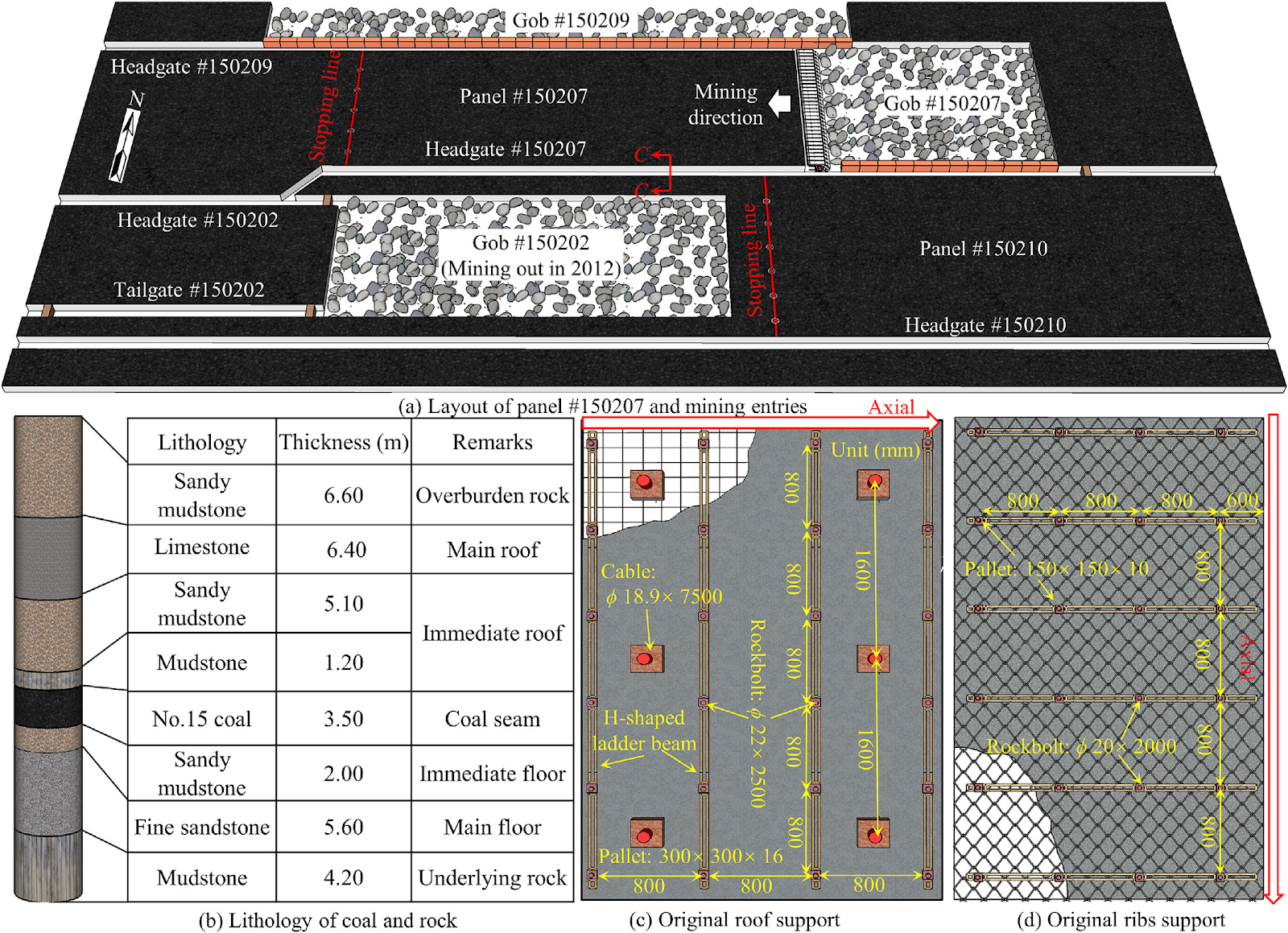
Gob-side entry retaining (GER) is widely applied in China. Nevertheless, the stability mechanism of the GER with coal pillar-backfill body (CPBB) under dynamic overburden load remains unexplored. A voussoir beam structure (VBS) model is established to analyze roof structure stability during panel advancement, introducing a VBS stability criterion. Reducing block B length l and immediate roof damage variable D, and increasing coal pillar width xc, lowers the GER structure instability risk. Reducing l and the GER width w leads to a CPBB system stability upswing. A UDEC model was established to systematically reveal how the l, backfill body width xb, and strength affect the stability and coupling performance of the CPPB system by monitoring the crack damage DC. Simulation results indicate that at l=14 m, xb=2.0 m, water-cement ratio 1.5:1, the coal pillar and backfill body have similar DC but maintain stability, resulting in CPPB system coupling degree Ϗ, better. A novel GER method supported by the CPBB was implemented on-site. Monitoring results indicated that the coal pillar peak stresses were 19.17 MPa (ahead), 16.14 MPa (behind), and the backfill body peak stress was 12.27 MPa (maximum). The floor heave was 380 mm, with a 103 mm backfill body rib.
Theory and simulation investigations on stability control of gob-side entry retaining with coal pillar-backfill body system
Graphical Abstract
Original ResearchVol. 32, Issue 7 • pp. 100-112DOI: 10.1016/j.ijmst.2025.07.009Jan 15, 2025

Coupling effect of size and strain rate on uniaxial compressive properties of coral reef limestone

Authors: Hongya Li, Linjian Ma, Mingyang Wang, Jiawen Wu, Jiajun Deng, Zeng Li

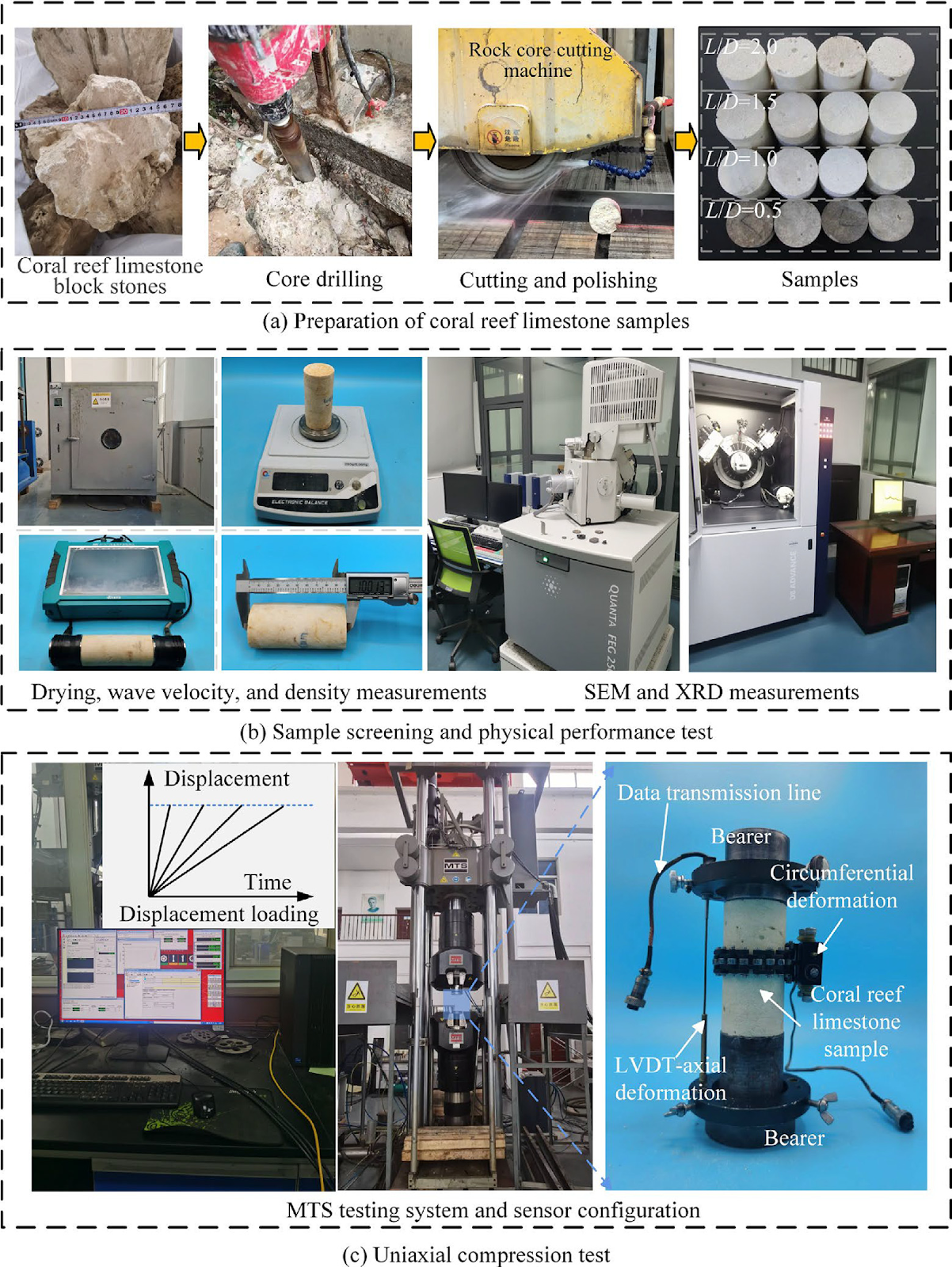
As the main geomaterials for coral reefs oil or gas extraction and underground infrastructure construction, coral reef limestone demonstrates significantly distinct mechanical responses compared to terrigenous rocks. To investigate the mechanical behaviour of coral reef limestone under the coupling impact of size and strain rate, the uniaxial compression tests were conducted on reef limestone samples with length-to-diameter (L/D) ratio ranging from 0.5 to 2.0 at strain rate ranging from 10−5 s−1 to 10−2 s−1. It is revealed that the uniaxial compressive strength (UCS) and residual compressive strength (RCS) of coral reef limestone exhibits a decreasing trend with L/D ratio increasing. The dynamic increase factor (DIF) of UCS is linearly correlated with the logarithm of strain rate, while increasing the L/D ratio further enhances the DIF. The elastic modulus increases with strain rate or L/D ratio increasing, whereas the Poisson’s ratio approximates to a constant value of 0.24. The failure strain increases with strain rate increasing or L/D ratio decreasing, while the increase in L/D ratio will inhibit the enhancing effect of the strain rate. The high porosity and low mineral strength are the primary factors contributing to a high RCS of 16.7%–64.9% of UCS, a lower brittleness index and multiple irregular fracture planes. The failure pattern of coral reef limestone transits from the shear-dominated to the splitting-dominated failure with strain rate increasing or L/D ratio decreasing, which is mainly governed by the constrained zones induced by end friction and the strain rate-dependent crack propagation. Moreover, a predictive formula incorporating coupling effect of size and strain rate for the UCS of reef limestone was established and verified to effectively capture the trend of UCS.

Coupling effect of size and strain rate on uniaxial compressive properties of coral reef limestone
Graphical Abstract
Original ResearchVol. 32, Issue 7 • pp. 100-112DOI: 10.1016/j.ijmst.2025.07.011Jan 15, 2025

Sparse pipeline wall information-based data-driven reconstruction for solid–liquid two-phase flow in flexible vibrating pipelines

Authors: Shengpeng Xiao, Chuyi Wan, Hongbo Zhu, Dai Zhou, Juxi Hu, Mengmeng Zhang, Yuankun Sun, Yan Bao, Ke Zhao

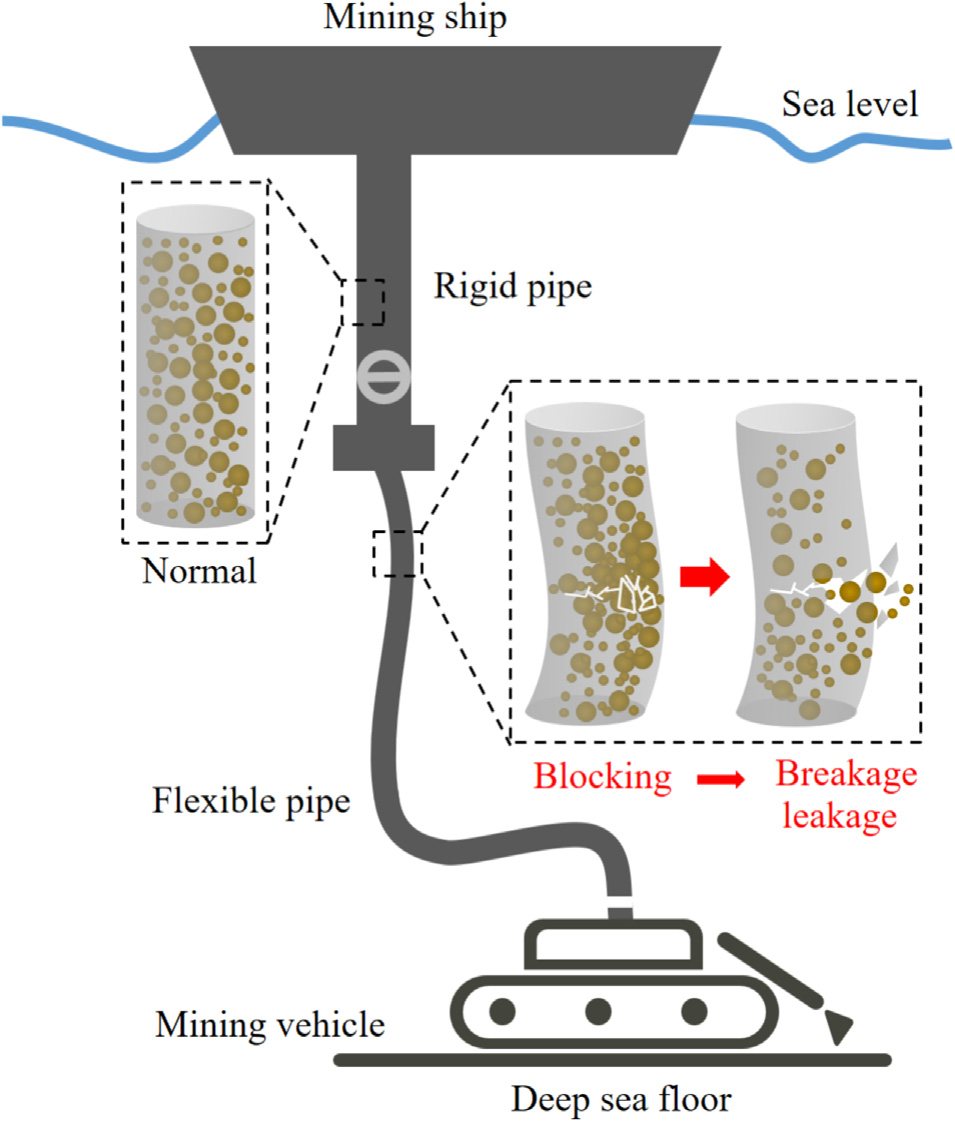
Environmental factors induce vibrations in flexible pipelines, thereby affecting the internal flow characteristics. Therefore, real-time monitoring of solid–liquid two-phase flow in pipelines is crucial for system maintenance. This study develops an autoencoder-based deep learning framework to reconstruct three-dimensional solid–liquid two-phase flow within flexible vibrating pipelines utilizing sparse wall information from sensors. Within this framework, separate X-model and F-model with distinct hidden-layer structures are established to reconstruct the coordinates and flow field information on the computational domain grid of the pipeline under traveling wave vibration. Following hyperparameter optimization, the models achieved high reconstruction accuracy, demonstrating R2 values of 0.990 and 0.945, respectively. The models’ robustness is evaluated across three aspects: vibration parameters, physical fields, and vibration modes, demonstrating good reconstruction performance. Results concerning sensors show that 20 sensors (0.06% of total grids) achieve a balance between accuracy and cost, with superior accuracy obtained when arranged along the full length of the pipe compared to a dense arrangement at the front end. The models exhibited a signal-to-noise ratio tolerance of approximately 27 dB, with reconstruction accuracy being more affected by sensor failures at both ends of the pipeline. Deep-sea mineral resource transportation predominantly utilizes hydraulic pipeline methodology.

Sparse pipeline wall information-based data-driven reconstruction for solid–liquid two-phase flow in flexible vibrating pipelines
Graphical Abstract
Original ResearchVol. 32, Issue 7 • pp. 100-112DOI: 10.1016/j.ijmst.2025.07.008Jan 15, 2025

Influence law of pore water storage characteristics on the gas adsorption characteristics of coal

Authors: CHEN Aikun, ZHAI Cheng, CAI Yuliang, SUN Yong, YU Xu, XU Jizhao, CONG Yuzhou, ZHENG Yangfeng, TANG Wei

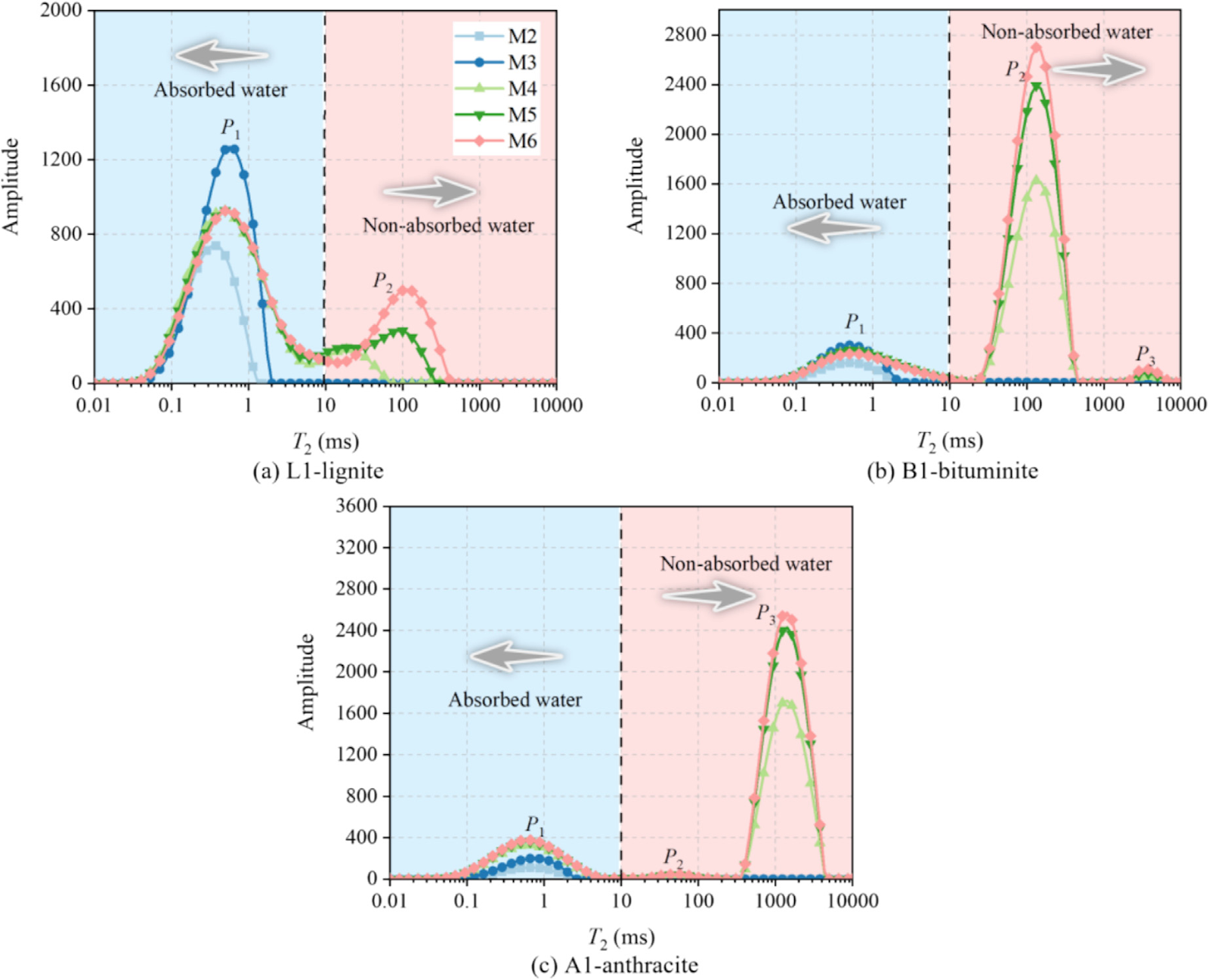
This study mainly investigates the influence of pore water characteristics on the adsorption properties of coalbed methane through integrated low field nuclear magnetic resonance (LF-NMR), adsorption experiments, and molecular dynamics (MD) simulations. Pore water states in three coal ranks were characterized during progressive hydration. Multi-scale analysis revealed how pore water evolution regulates methane adsorption processes. During the diffusion-dominated stage (M2–M3), adsorbed water penetrates into the micropores. In the highly wettable brown coal (L1), the adsorbed water content reaches 2.12 g while in the anthracite (A1), it is only 0.29 g. During the active water injection stage (M4–M6), non-adsorbed water dominates in anthracite (over 85% of the total water content of 4.01 g), while adsorbed water remains dominant in lignite (over 60% of the total water content of 3.52 g). Water content plays a key role in methane adsorption in coal. During the water addition phase, the influence of methane adsorption on medium-to-low-rank coal is relatively weak, while the methane adsorption capacity of high-rank coal A1 shows a significant decrease during both the water diffusion and water addition phases, corresponding to a reduction in Langmuir volume of 21.22 cm3/g. Molecular dynamics (MD) results further show that the free energy between molecules on the surface of hydroxyl-modified coal increases, with hydroxyl groups driving electrostatic interactions between coal and water molecules. Increased steric hindrance inhibits hydrogen bond formation and reduces the rate of hydrogen bond growth. There is a significant correlation between pore water content and coal-water molecular interaction energy, which cross-scale validates the results of LF-NMR testing and MD simulations.

Influence law of pore water storage characteristics on the gas adsorption characteristics of coal
Graphical Abstract
Original ResearchVol. 32, Issue 7 • pp. 100-112DOI: 10.1016/j.ijmst.2025.07.007Jan 15, 2025

Identification of regionalized multiscale microseismic characteristics and rock failure mechanisms under deep mining conditions

Authors: Yihan Zhang, Chenliang Hao, Longjun Dong, Zhongwei Pei, Fangzhen Fan, Marc Bascompta

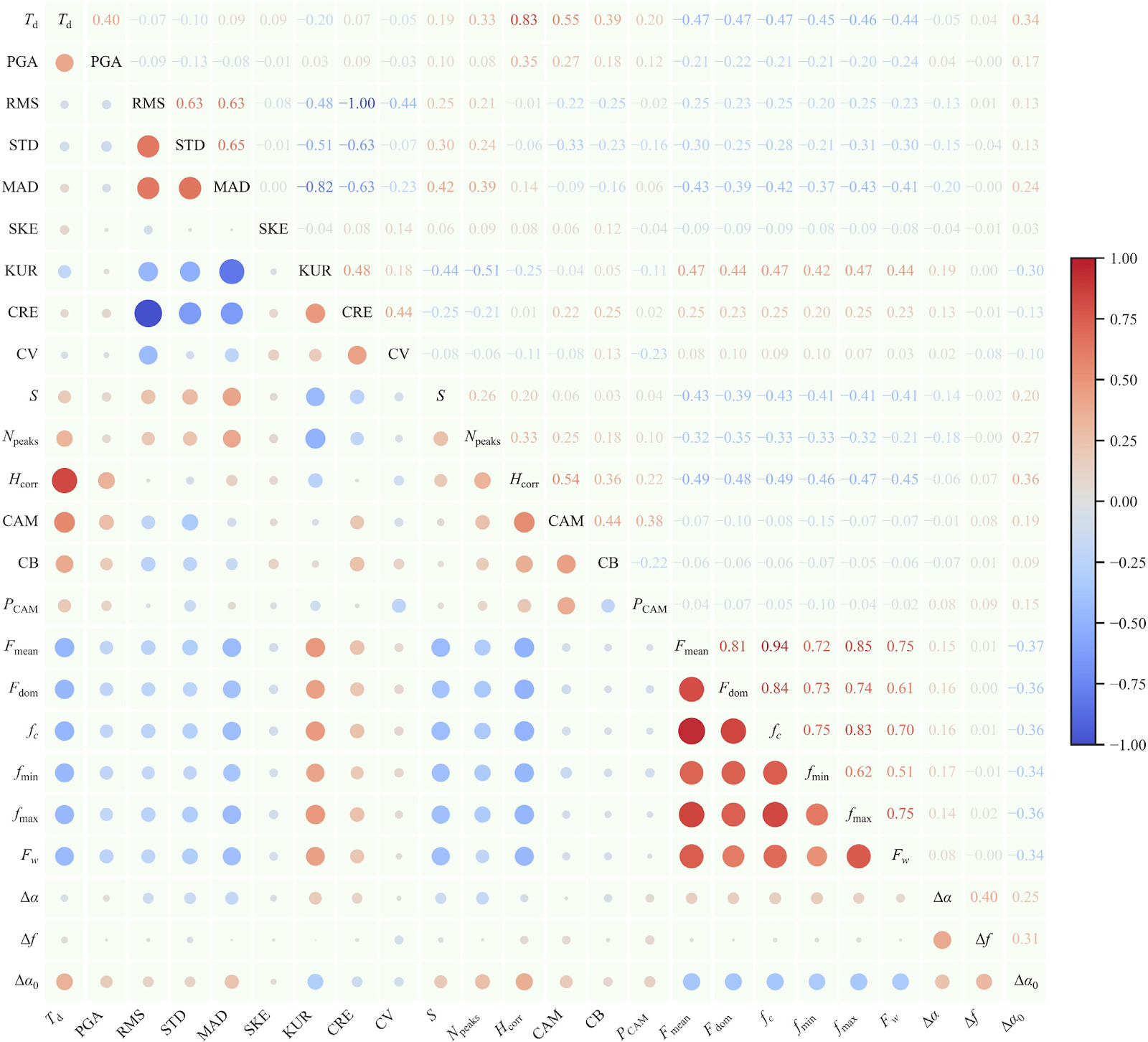
The rock mass failure induced by deep mining exhibits pronounced spatial heterogeneity and diverse mechanisms, with its microseismic responses serving as effective indicators of regional failure evolution and instability mechanisms. Focusing on the Level VI stope sublayers in the Jinchuan #2 mining area, this study constructs a 24-parameter index system encompassing time-domain features, frequency-domain features, and multifractal characteristics. Through manifold learning, clustering analysis, and hybrid feature selection, 15 key indicators were extracted to construct a classification framework for failure responses. Integrated with focal mechanism inversion and numerical simulation, the failure patterns and corresponding instability mechanisms across different structural zones were further identified. The results reveal that multiscale microseismic characteristics exhibit clear regional similarities. Based on the morphological features of radar plots derived from the 15 indicators, acoustic responses were classified into four typical types, each reflecting distinct local failure mechanisms, stress conditions, and plastic zone evolution. Moreover, considering dominant instability factors and rupture modes, four representative rock mass instability models were proposed for typical failure zones within the stope. These findings provide theoretical guidance and methodological support for hazard prediction, structural optimization, and disturbance control in deep metal mining areas.

Identification of regionalized multiscale microseismic characteristics and rock failure mechanisms under deep mining conditions
Graphical Abstract
Original ResearchVol. 32, Issue 7 • pp. 100-112DOI: 10.1016/j.ijmst.2025.07.001Jan 15, 2025

Harnessing sediment voids of low-grade salt mines for compressed air energy storage: Experimental and theoretical insights

Authors: Qihang Li, Wei Liu, Liangliang Jiang, Yiwen Ju, Aliakbar Hassanpouryouzband, Guimin Zhang, Xiangzhao Kong, Jun Xu

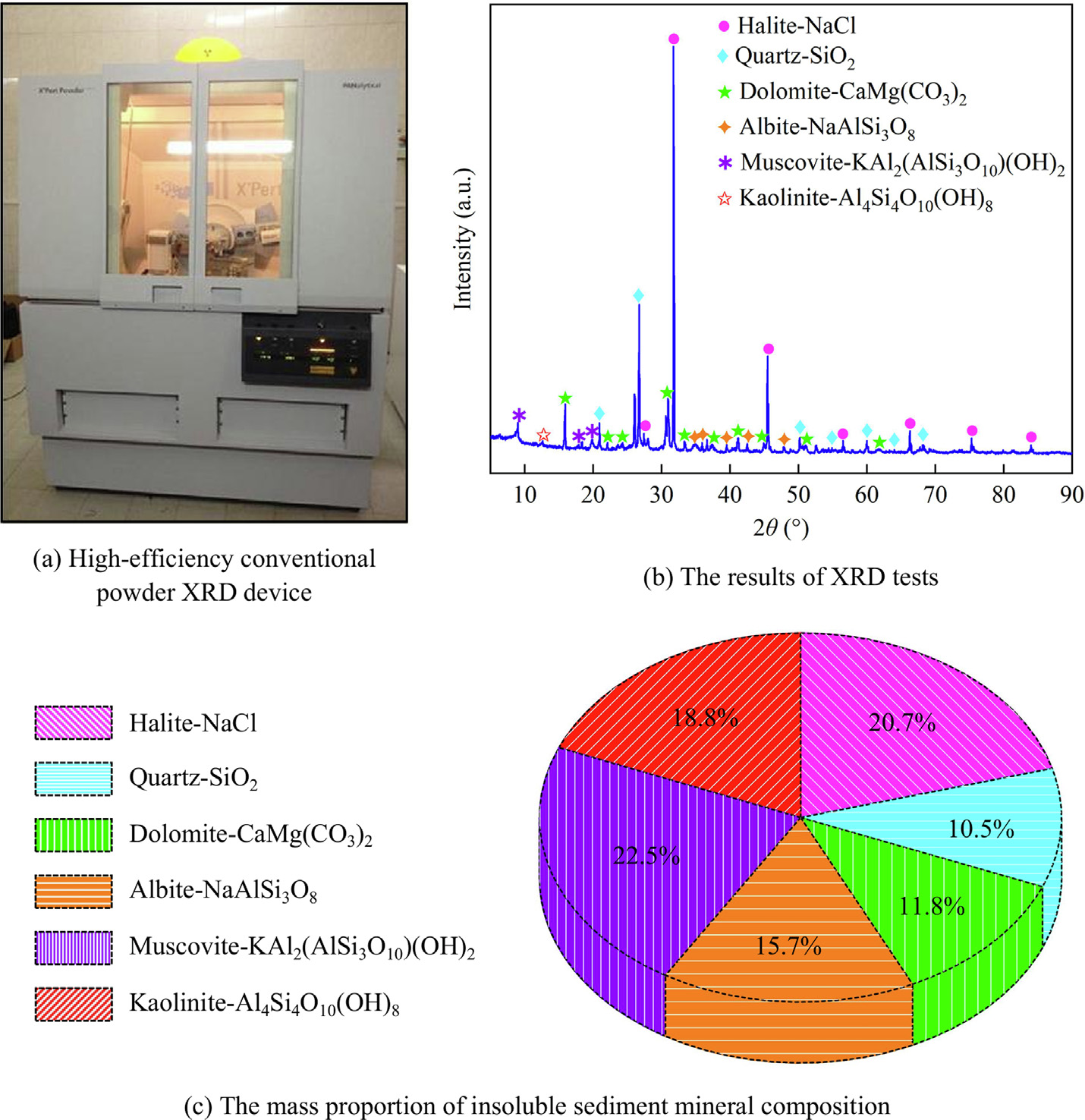
Renewable energy storage technologies are critical for transitioning to sustainable energy systems, with salt caverns playing a significant role in large-scale solutions. In water-soluble mining of low-grade salt formations, insoluble impurities and interlayers detach during salt dissolution and accumulate as sediment at the cavern base, thereby reducing the storage capacity and economic viability of salt cavern gas storage (SCGS). This study investigates sediment formation mechanisms, void distribution, and voidage in the Huai’an low-grade salt mine, introducing a novel self-developed physical simulation device for two butted-well horizontal (TWH) caverns that replicates compressed air injection and brine discharge. Experiments comparing “one injection and one discharge” and “two injections and one discharge” modes revealed that (1) compressed air effectively displaces brine from sediment voids, (2) a 0.5 MPa injection pressure corresponds to a 10.3 MPa operational lower limit in practice, aligning with field data, and (3) sediment voidage is approximately 46%, validated via air-brine interface theory. The “two injections and one discharge” mode outperformed in both discharge volume and rate. Additionally, a mathematical model for brine displacement via compressed air was established. These results provide foundational insights for optimizing compressed air energy storage (CAES) in low-grade salt mines, advancing their role in renewable energy integration.

Harnessing sediment voids of low-grade salt mines for compressed air energy storage: Experimental and theoretical insights
Graphical Abstract
Original ResearchVol. 32, Issue 7 • pp. 100-112DOI: 10.1016/j.ijmst.2025.07.010Jan 15, 2025

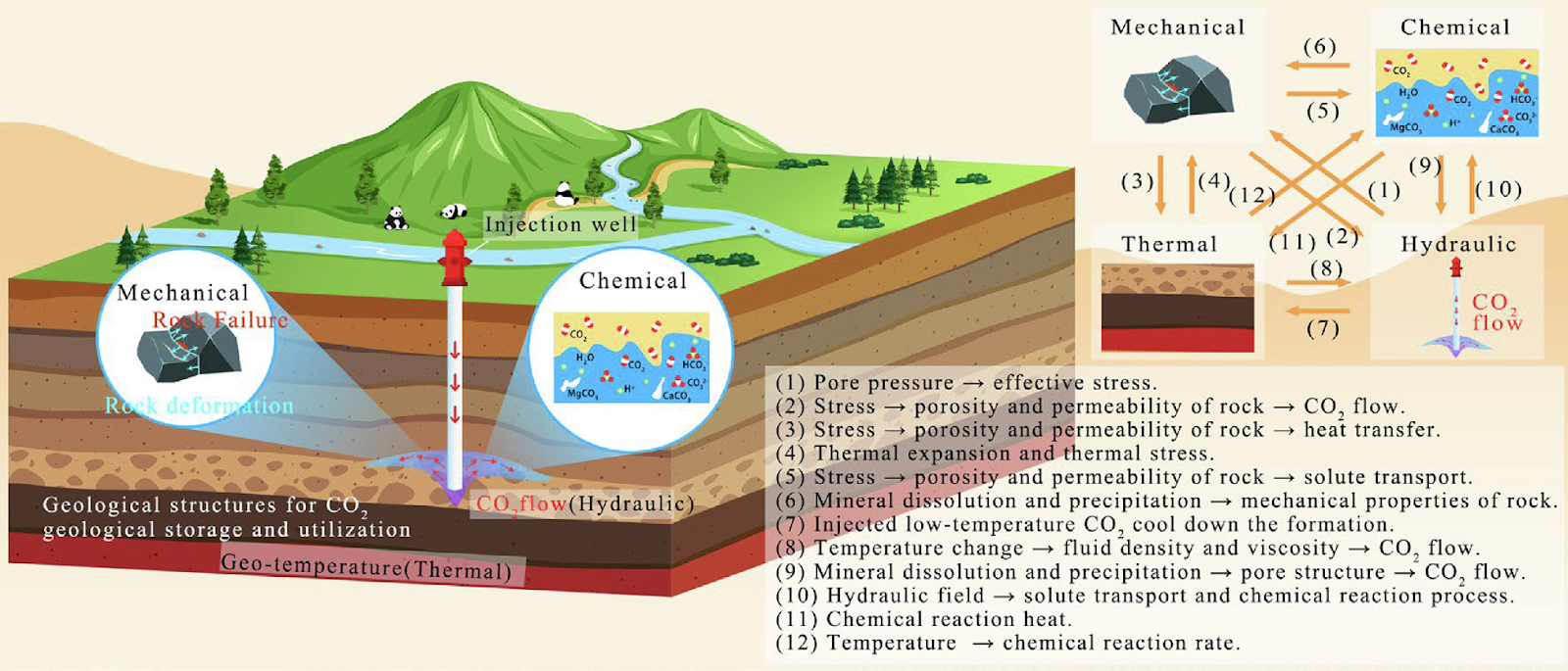
Advances in thermo-hydro-mechanical-chemical modelling for CO2 geological storage and utilization

Authors: Nanlin Zhang, Liangliang Jiang, Fushen Liu, Yuhao Luo, Lele Feng, Yiwen Ju, Allegra Hosford Scheirer, Jiansheng Zhang, Birol Dindoruk, S.M. Farouq Ali, Zhangxin Chen

Geological storage and utilization of CO2 involve complex interactions among Thermo-hydro-mechanical-chemical (THMC) coupling processes, which significantly affect storage integrity and efficiency. To address the challenges in accurately simulating these coupled phenomena, this paper systematically reviews recent advances in the mathematical modeling and numerical solution of THMC coupling in CO2 geological storage. The study focuses on the derivation and structure of governing and constitutive equations, the classification and comparative performance of fully coupled, iteratively coupled, and explicitly coupled solution methods, and the modeling of dynamic changes in porosity, permeability, and fracture evolution induced by multi-field interactions. Furthermore, the paper evaluates the capabilities, application scenarios, and limitations of major simulation platforms, including TOUGH, CMG-GEM, and COMSOL. By establishing a comparative framework integrating model formulations and solver strategies, this work clarifies the strengths and gaps of current approaches and contributes to the development of robust, scalable, and mechanism-oriented numerical models for long-term prediction of CO2 behavior in geological formations.

Advances in thermo-hydro-mechanical-chemical modelling for CO2 geological storage and utilization
Graphical Abstract
Original ResearchVol. 32, Issue 7 • pp. 100-112DOI: 10.1016/j.ijmst.2025.07.003Jan 15, 2025

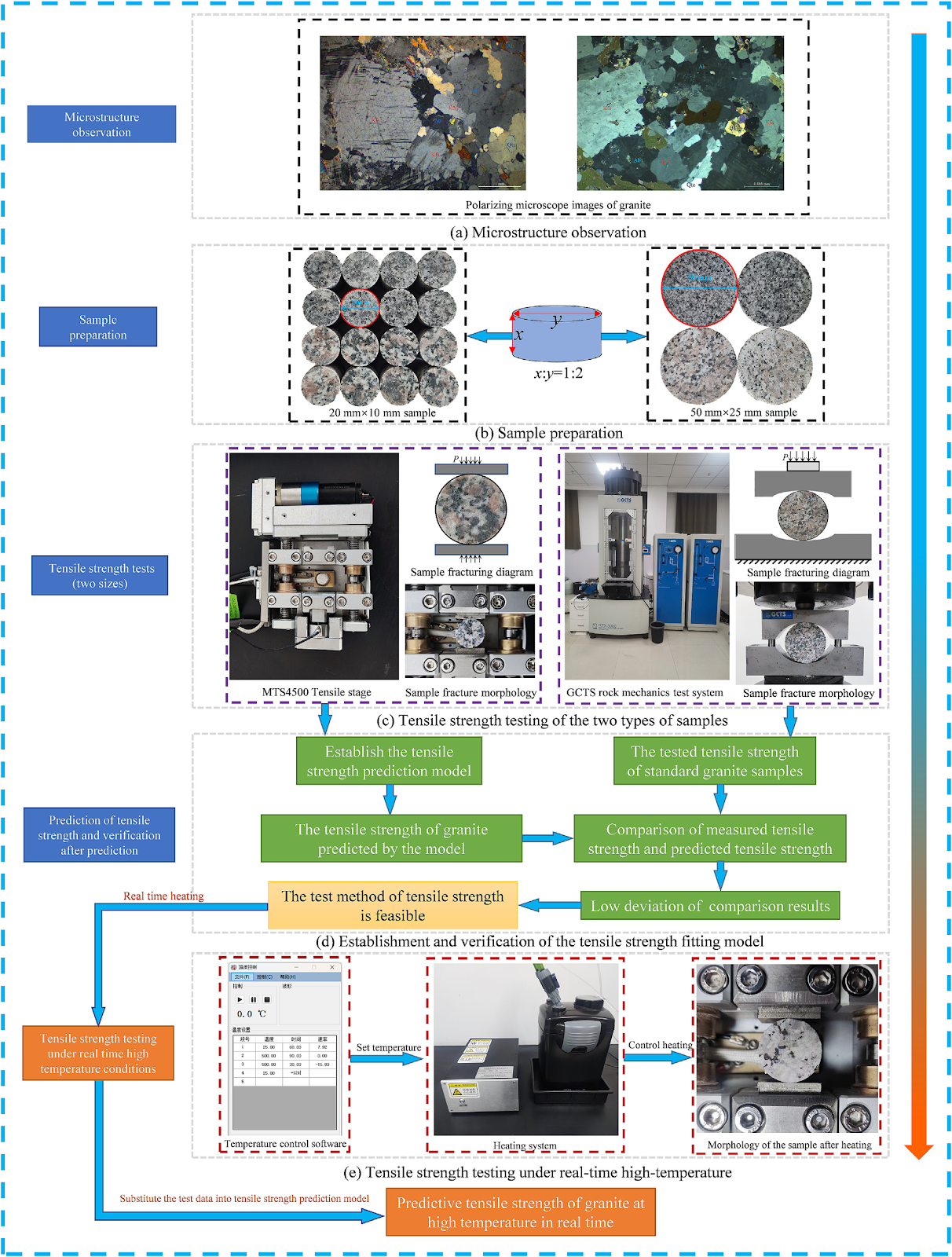
A new technical approach for real-time tensile strength testing of high-temperature granite based on micro-tensile testing technology

Authors: LI Xianzhong, TIAN Yinnan, LI Zhenhua, HENG Shuai, ZHANG Xiaodong, LIU Bing

The tensile strength of rocks under real-time high-temperatures is essential for enhanced geothermal system development. However, the complex occurrence and deep burial of hot dry rocks limit the quantity and quality of standard samples for mechanical testing. This paper compared the tensile strengths obtained from Brazilian splitting tests on standard samples (with a diameter of 50 mm and a thickness of 25 mm) and micro-tensile samples (with a diameter of 50 mm and a thickness of 25 mm) of two types of granites. A power-law size effect model was established between the two sets of data, validating the reliability of the testing method. Then, miniature Brazilian splitting under real-time high-temperature, combined with X-ray diffraction (XRD) revealed temperature-dependent strength variations and microstructural damage mechanisms. The results show that: (1) The comparison error between the tensile strength obtained by the fitting model and that of the measured standard samples was less than 6%. (2) In real-time high-temperature conditions, tensile strength of granite exhibited non-monotonic behavior, increasing below 300 °C before decreasing, with sharp declines at 400–500 °C and 600–700 °C. (3) Thermal damage stems from the differences in the high-temperature behavior of minerals, including dehydration, phase transformation, and differential expansion.

A new technical approach for real-time tensile strength testing of high-temperature granite based on micro-tensile testing technology
Graphical Abstract
Original ResearchVol. 32, Issue 7 • pp. 100-112DOI: 10.1016/j.ijmst.2025.07.006Jan 15, 2025

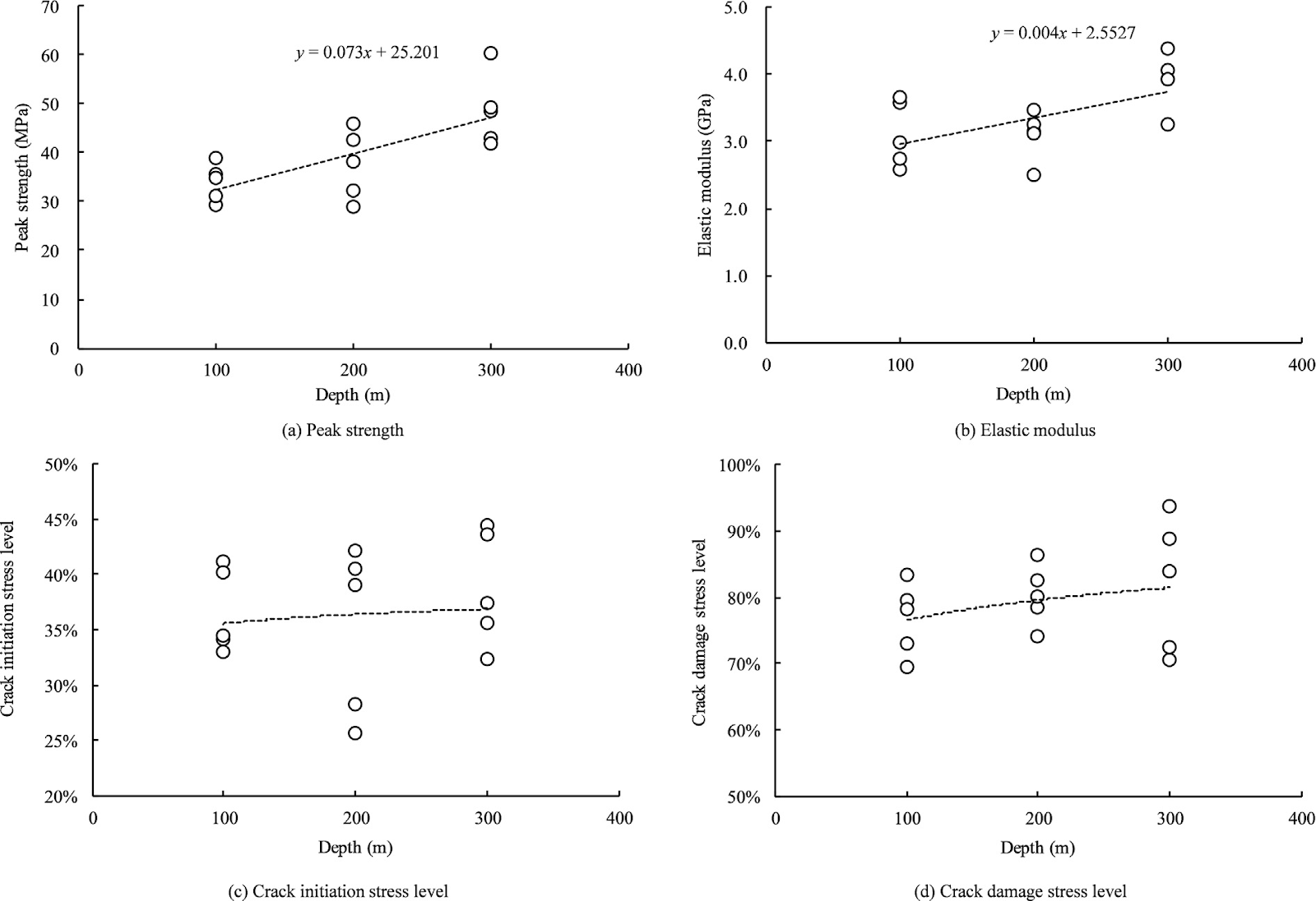
Depth-dependent mechanical-seepage behavior and safety mining distance of the steeply inclined coal mine underground reservoir

Authors: Ersheng Zha, Hongfei Duan, Mingbo Chi, Jiulin Fan, Jianjun Hu, Baoyang Wu, Cong Yu, Jiancheng Tong

Coal mine underground reservoir (CMUR) technology mitigates water scarcity in China’s coal-rich western regions but lacks tailored solutions for steeply inclined coal seams. This study develops a novel framework of steeply inclined coal mine underground reservoirs (SICMUR), which is a paradigm shift from conventional CMUR that the coal seam itself serves as the reservoir floor, challenging conventional designs due to depth-dependent permeability and mechanical constraints. Triaxial mechanical-seepage tests on Xinjiang Wudong coal samples (100, 200, 300 m depths) revealed a 3.5 MPa triaxial strength increase per 100 m depth and a 58-fold post-peak permeability surge at 300 versus 100 m. Similar model simulations revealed mining-induced stress redistribution and significant deformation effects, particularly subsidence and water-conducting fractures during lower coal seam mining. Results indicate a minimum 40 m safety distance between reservoirs and lower coal seams. Critical construction parameters were investigated for Wudong mine SICMUR as collapse zone heights (9.9–12.31 m) and water-conducting fracture zone heights (31.96–37.40 m). This work systematically bridges SICMUR concepts to field implementation, offering a framework for water preservation in steeply inclined mining while addressing safety concerns, providing a new approach for water reservation in steeply inclined coal mining.

Depth-dependent mechanical-seepage behavior and safety mining distance of the steeply inclined coal mine underground reservoir
Graphical Abstract
Original ResearchVol. 32, Issue 7 • pp. 100-112DOI: 10.1016/j.ijmst.2025.07.005Jan 15, 2025

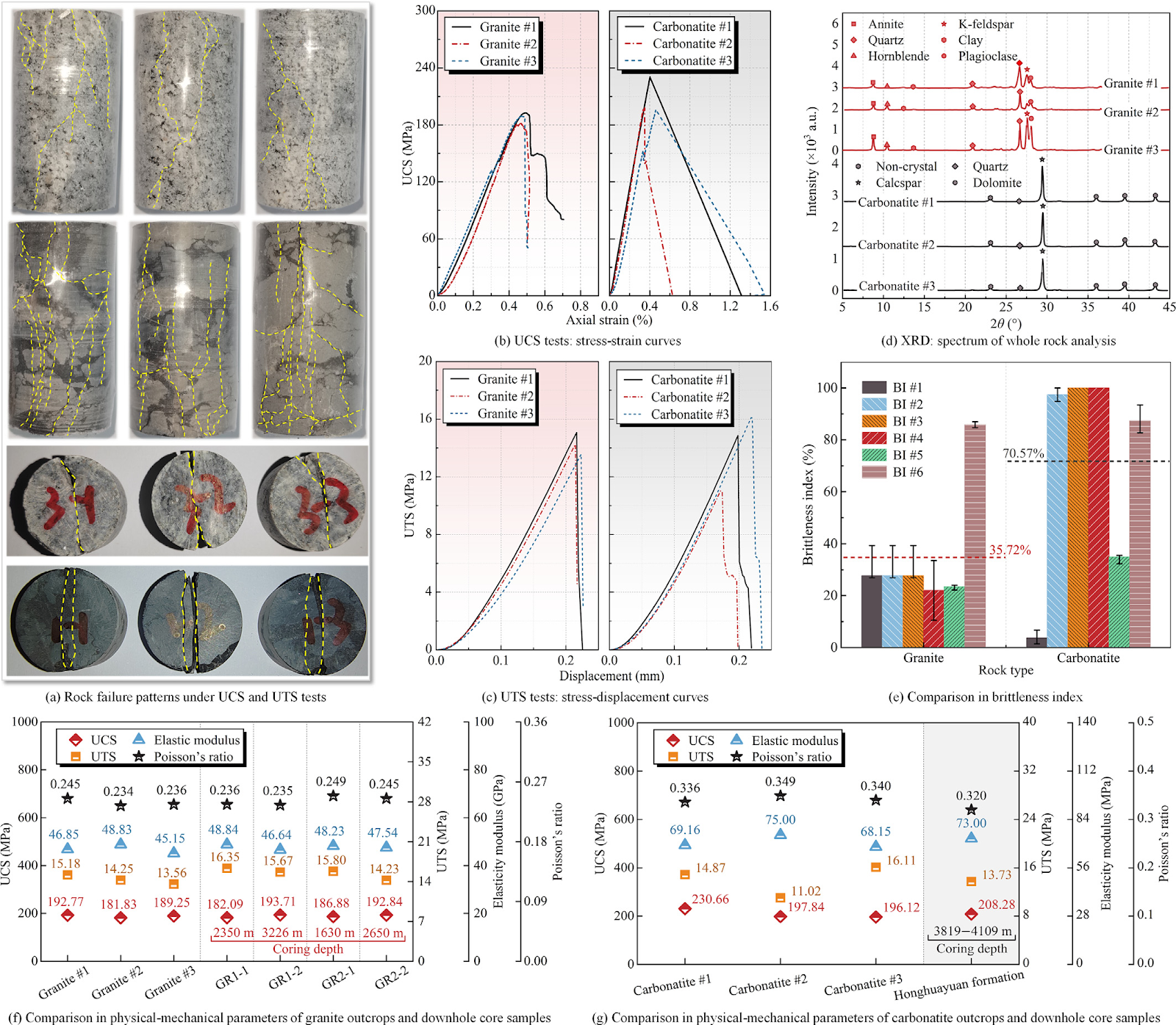
A multi-dimensional percussion method for efficient drilling in HDR formations: Rock fragmentation mechanism, drilling energy analysis, and performance optimization

Authors: Zhaowei Sun, Xiaoguang Wu, Zhongwei Huang, Gensheng Li, Xianzhi Song, Zongjie Mu, Huaizhong Shi, Wenhao He, Berdiev Alisher

Percussion drilling is a promising approach for hot dry rock (HDR) fragmentation. However, understanding of HDR fragmentation mechanism under multi-dimensional percussion remains limited and hinders the corresponding drilling performance. Herein, an innovative true triaxial multi-dimensional percussion device was developed for the study of HDR fragmentation mechanism under in-situ temperature and stress conditions. Multi-dimensional percussion, involving both axial and torsional components, was applied to drilling in granite and carbonatite rocks sampled from the typical HDR target areas. Multi-scale visualization techniques and a whale optimization-variational mode decomposition algorithm were employed to investigate the rock failure patterns and drilling energy characteristics. Results indicated that multi-dimensional percussion enhances brittle-ductile mixed failure in granite, characterized by transgranular, intergranular, and combined fracture patterns that promote rock cracking. In contrast, carbonatite drillhole displays enhanced brittle fragmentation and tortuous failure surface dominated by transgranular fracture pattern. Frequency-domain characteristics of penetration force signals for multi-dimensional percussion, especially the significant dominant frequency, amplitude, and high-frequency dissipation, indicate an increase in net energy for drilling into HDR and intensified rock fragmentation. Further, the effect of impact frequency on rock fragmentation performance was emphasized to maximize drilling efficiency. The optimal regulation schemes between axial and torsional impact frequencies are identified as 15 Hz + 15 Hz for granite and 30 Hz + 15 Hz for carbonatite. The reliability of the optimization approach was validated through a field test that employed a novel impactor in the geothermal well Fushen-1.

A multi-dimensional percussion method for efficient drilling in HDR formations: Rock fragmentation mechanism, drilling energy analysis, and performance optimization
Graphical Abstract
Original ResearchVol. 32, Issue 7 • pp. 100-112DOI: 10.1016/j.ijmst.2025.07.004Jan 15, 2025

Research on a dynamic early warning model for gas outbursts using adaptive fractal dimension characterization

Authors: Jie Chen, Wenhao Shi, Yichao Rui, Junsheng Du, Xiaokang Pan, Xiang Peng, Xusheng Zhao, Qingfeng Wang, Deping Guo, Yulin Zou, Dafa Yin, Yuanbin Luo

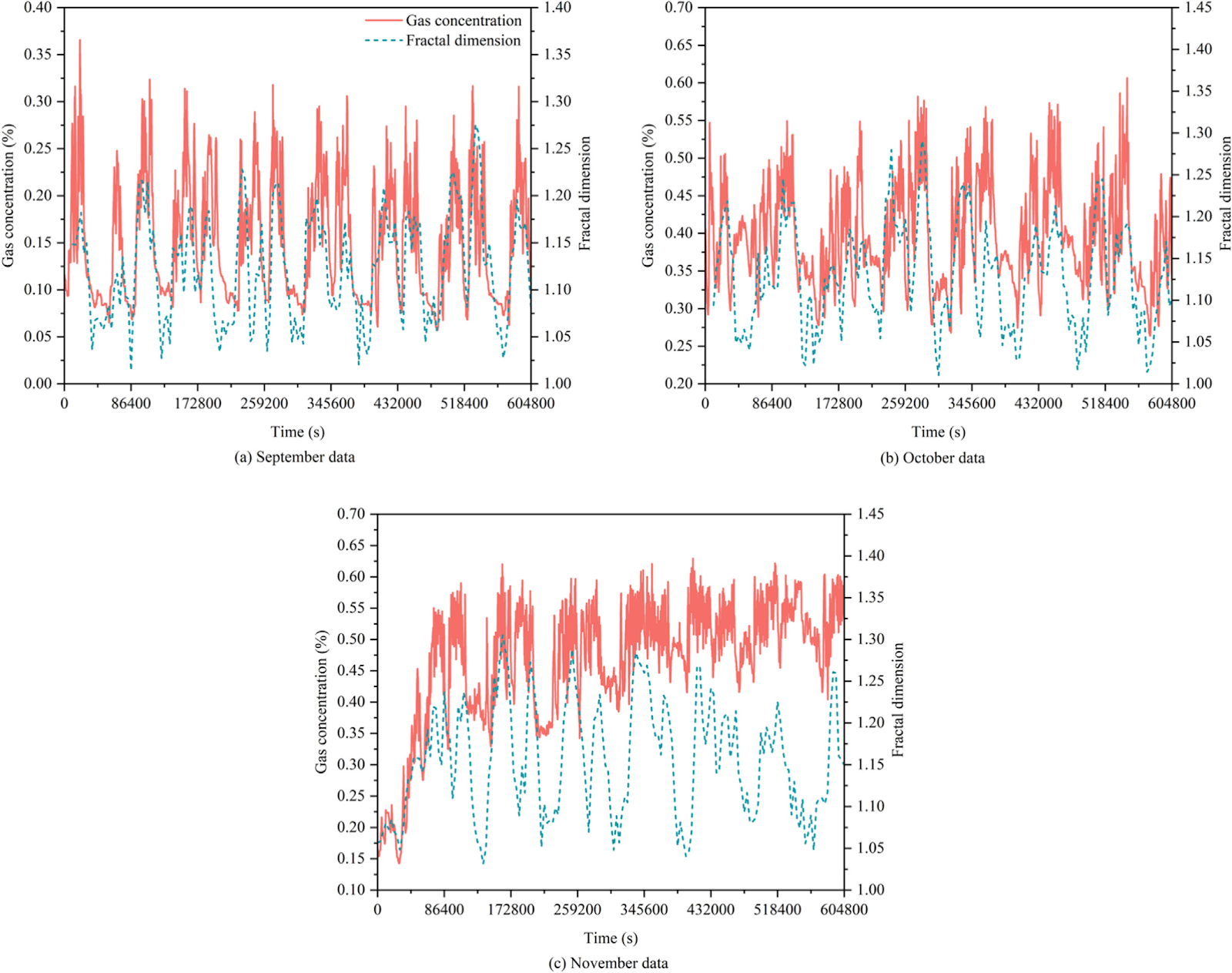
To address the issues of single warning indicators, fixed thresholds, and insufficient adaptability in coal and gas outburst early warning models, this study proposes a dynamic early warning model for gas outbursts based on adaptive fractal dimension characterization. By analyzing the nonlinear characteristics of gas concentration data, an adaptive window fractal analysis method is introduced. Combined with box-counting dimension and variation of box dimension metrics, a cross-scale dynamic warning model for disaster prevention is established. The implementation involves three key phases: First, wavelet denoising and interpolation methods are employed for raw data preprocessing, followed by validation of fractal characteristics. Second, an adaptive window cross-scale fractal dimension method is proposed to calculate the box-counting dimension of gas concentration, enabling effective capture of multi-scale complex features. Finally, dynamic threshold partitioning is achieved through membership functions and the 3r principle, establishing a graded classification standard for the mine gas disaster (MGD) index. Validated through engineering applications at Shoushan #1 Coal Mine in Henan Province, the results demonstrate that the adaptive window fractal dimension curve exhibits significantly enhanced fluctuation characteristics compared to fixed window methods, with local feature detection capability improved and warning accuracy reaching 86.9%. The research reveals that this model effectively resolves the limitations of traditional methods in capturing local features and dependency on subjective thresholds through multi-indicator fusion and threshold optimization, providing both theoretical foundation and practical tool for coal mine gas outburst early warning.

Research on a dynamic early warning model for gas outbursts using adaptive fractal dimension characterization
Graphical Abstract
Original ResearchVol. 32, Issue 7 • pp. 100-112DOI: 10.1016/j.ijmst.2025.07.002Jan 15, 2025

Depression of pyrrhotite superstructures in copper flotation: A synchrotron X-ray powder diffraction and DFT study

Authors: Alireza Rezvani, Foad Raji, Rong Fan, R. Kappes, Zhiyong Gao, Yongjun Peng

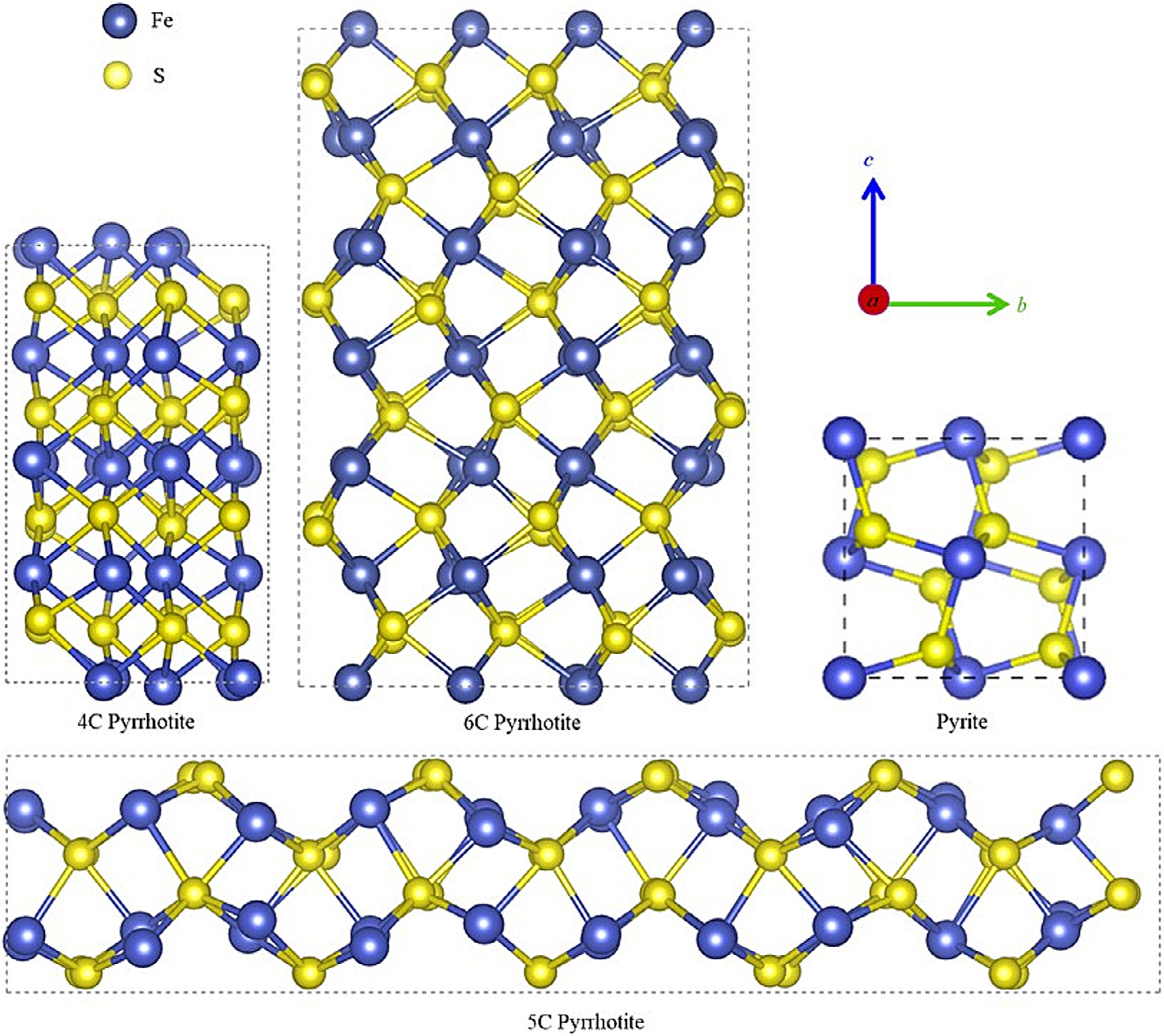
Pyrrhotite naturally occurs in various superstructures including magnetic (4C) and non-magnetic (5C, 6C) types, each with distinct physicochemical properties and flotation behaviors. Challenges in accurately identifying and quantifying these superstructures hinder the optimization of pyrrhotite depression in flotation processes. To address this critical issue, synchrotron X-ray powder diffraction (S-XRPD) with Rietveld refinement was employed to quantify the distribution of superstructures in the feed and flotation concentrates of a copper–gold ore. To elucidate the mechanisms influencing depression, density functional theory (DFT) calculations were conducted to explore the electronic structures and surface reactivity of the pyrrhotite superstructures toward the adsorption of water, oxygen and hydroxyl ions (OH−) as dominant species present in the flotation process. S-XRPD analysis revealed that flotation recovery rates of pyrrhotite followed the order of 4C<6C<5C. DFT calculations indicated that the Fe 3d and S 3p orbital band centers exhibited a similar trend relative to the Fermi level with 4C being the closest. The Fe 3d band center suggested that the 4C structure possessed a more reactive surface toward the oxygen reduction reaction, promoting the formation of hydrophilic Fe-OH sites. The S 3p band center order also implied that xanthate on the non-magnetic 5C and 6C surfaces could oxidize to dixanthogen, increasing hydrophobicity and floatability, while 4C formed less hydrophobic metal-xanthate complexes. Adsorption energy and charge transfer analyses of water, hydroxyl ions and molecular oxygen further supported the high reactivity and hydrophilic nature of 4C pyrrhotite. The strong bonding with hydroxyl ions indicated enhanced surface passivation by hydrophilic Fe–OOH complexes, aligning with the experimentally observed flotation order (4C<6C<5C). These findings provide a compelling correlation between experimental flotation results and electronic structure calculations, delivering crucial insights for optimizing flotation processes and improving pyrrhotite depression. This breakthrough opens up new opportunities to enhance the efficiency of flotation processes in the mining industry.

Depression of pyrrhotite superstructures in copper flotation: A synchrotron X-ray powder diffraction and DFT study
Graphical Abstract