SinoTechIntel Academic Portal
🏛️ Indexed Academic JournalImpact Factor: 3.8

Int. Journal of Mining Science and Technology (采矿与安全工程)

Authoritative peer-reviewed journal in materials science, metallurgy, chemistry and engineering technologies: Int. Journal of Mining Science and Technology (采矿与安全工程)

Total Research Papers: 147
Access: 100% Free Open Access
Browse by Publication Year & VolumeReset All Filters ✕

Published Research PapersFiltered: Year 2025 • Vol. 32 • 5

Showing 8 of 147 peer-reviewed papers with full Graphical Abstracts.

Original ResearchVol. 32, Issue 5 • pp. 100-112DOI: 10.1016/j.ijmst.2025.05.008Jan 15, 2025

Investigation of crack propagation and acoustic emission characteristics in jointed rock under freeze–thaw cycles based on DEM

Authors: ZHAO Yong, ZHAO Qianbai, YANG Tianhong, CHEN Yanlong, ZHANG Penghai, LIU Honglei

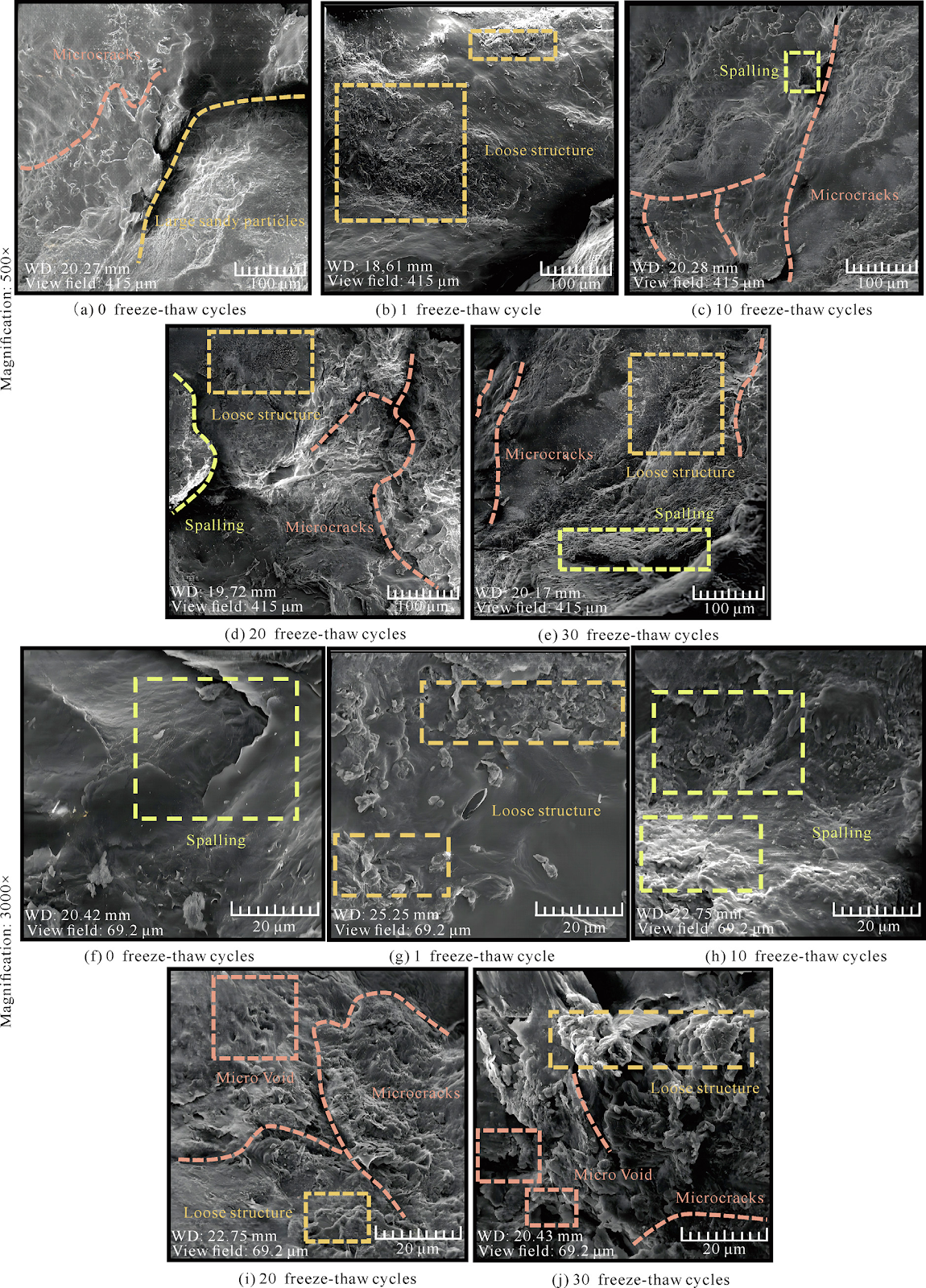
In cold-region environments, where complex stresses and mining disturbances occur, rock masses are frequently segmented into discontinuous bodies by fractured structural planes, leading to anisotropic physical and mechanical properties. To explore the evolution of microcracks, degradation characteristics, and failure modes of fractured rocks in cold regions under the influence of freeze–thaw cycles, integrating laboratory experiments with the damage mechanics of freeze–thaw cycles. A numerical model for freeze–thaw cycle damage in rocks with various fracture dip angles was developed. The study revealed that the freeze–thaw expansion force generated during the pore water–ice phase transition is the primary driving factor behind freeze–thaw cycle damage. The initiation and propagation of microcracks and micropores, the detachment of matrix particles, and the loosening of clay mineral structures result in the transformation of the rock from a dense to a porous state, causing significant degradation in macroscopic mechanical properties. As freeze–thaw cycles increase, both the uniaxial compressive strength and the deformation modulus of the rock decrease significantly, with the failure mode gradually shifting from brittle instability to brittle-plastic or plastic failure. The findings of this study offer a practical approach to uncovering the mechanical response mechanisms between freeze–thaw damage in fractured rocks and structural planes.
Investigation of crack propagation and acoustic emission characteristics in jointed rock under freeze–thaw cycles based on DEM
Graphical Abstract
Original ResearchVol. 32, Issue 5 • pp. 100-112DOI: 10.1016/j.ijmst.2025.05.007Jan 15, 2025

Synergistic mechanisms of steel slag, granulated blast furnace slag, and desulfurization gypsum in high-content steel slag-based cementitious backfill materials

Authors: Jianshuai Hao, Zihan Zhou, Zhonghui Chen, Yanjun Shen, Kuizhen Fang, Fei Tang, Lingfei Zhang

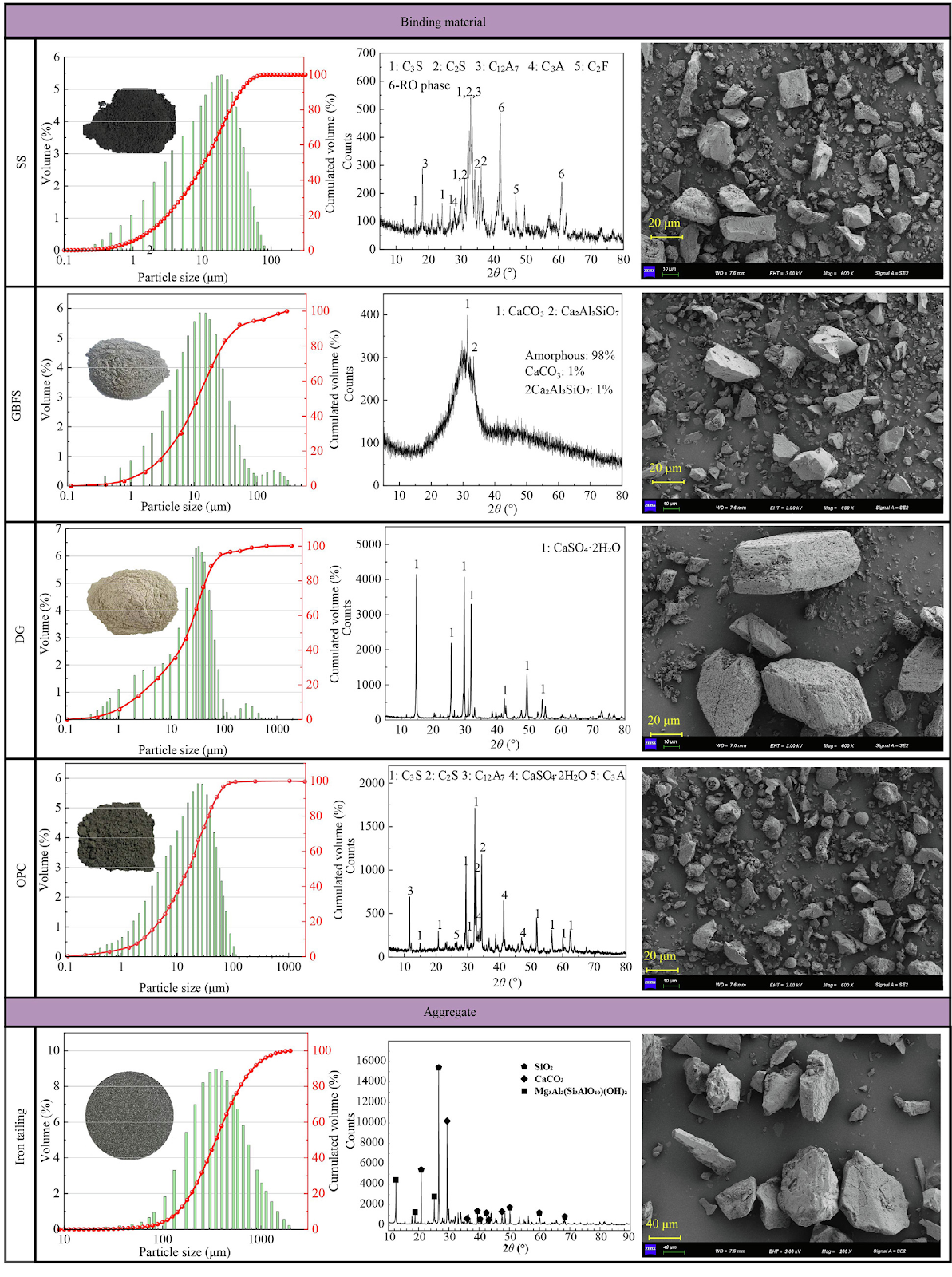
In the steel slag-based mine backfill cementitious material systems, the hydration reaction mechanisms and synergistic effects of steel slag (SS), granulated blast furnace slag (GBFS), and desulfurization gypsum (DG) are crucial for performance optimization and regulation. However, existing studies have yet to fully reveal the underlying synergistic mechanisms, which limits the application and promotion of high SS content in mine backfill and low-carbon building materials. This study systematically explores the synergistic effects between various solid wastes and their regulation of the hydration process in the SS-based cementitious system through multi-scale characterization techniques. The results show that GBFS, by releasing active Si4+ and Al3+, triggers a synergistic activation effect with Ca2+ provided by SS, promoting the formation of C-S-H gel and ettringite, significantly optimizing the hardened paste microstructure. When the GBFS content reaches 30%, the C-S-H content increases by 40.8%, the pore size distribution improves, the proportion of large pores decreases by 68.7%, and the 90-day compressive strength increases to 5 times that of the baseline group. The sulfate activation effect of DG accelerates the hydration of silicate minerals, but excessive incorporation (>16%) can lead to microcracks caused by the expansion of AFt crystals, resulting in a strength reduction. Under the synergistic effect of 8% DG and 30% GBFS, the hydration reaction is most intense, with the peak heat release rate reaching 0.92 mW/g and the cumulative heat release amount being 240 J/g. By constructing a “SS-GBFS-DG-cement” quaternary synergistic system (mass ratio range: SS:GBFS:cement:DG=(50–62):(20–40):10:(8–12)), the matching of active components in high-content SS systems was optimized, significantly improving microstructural defects and meeting engineering application requirements. This study provides a theoretical basis for the component design and performance regulation of high-content SS-based cementitious materials.

Synergistic mechanisms of steel slag, granulated blast furnace slag, and desulfurization gypsum in high-content steel slag-based cementitious backfill materials
Graphical Abstract
Original ResearchVol. 32, Issue 5 • pp. 100-112DOI: 10.1016/j.ijmst.2025.05.003Jan 15, 2025

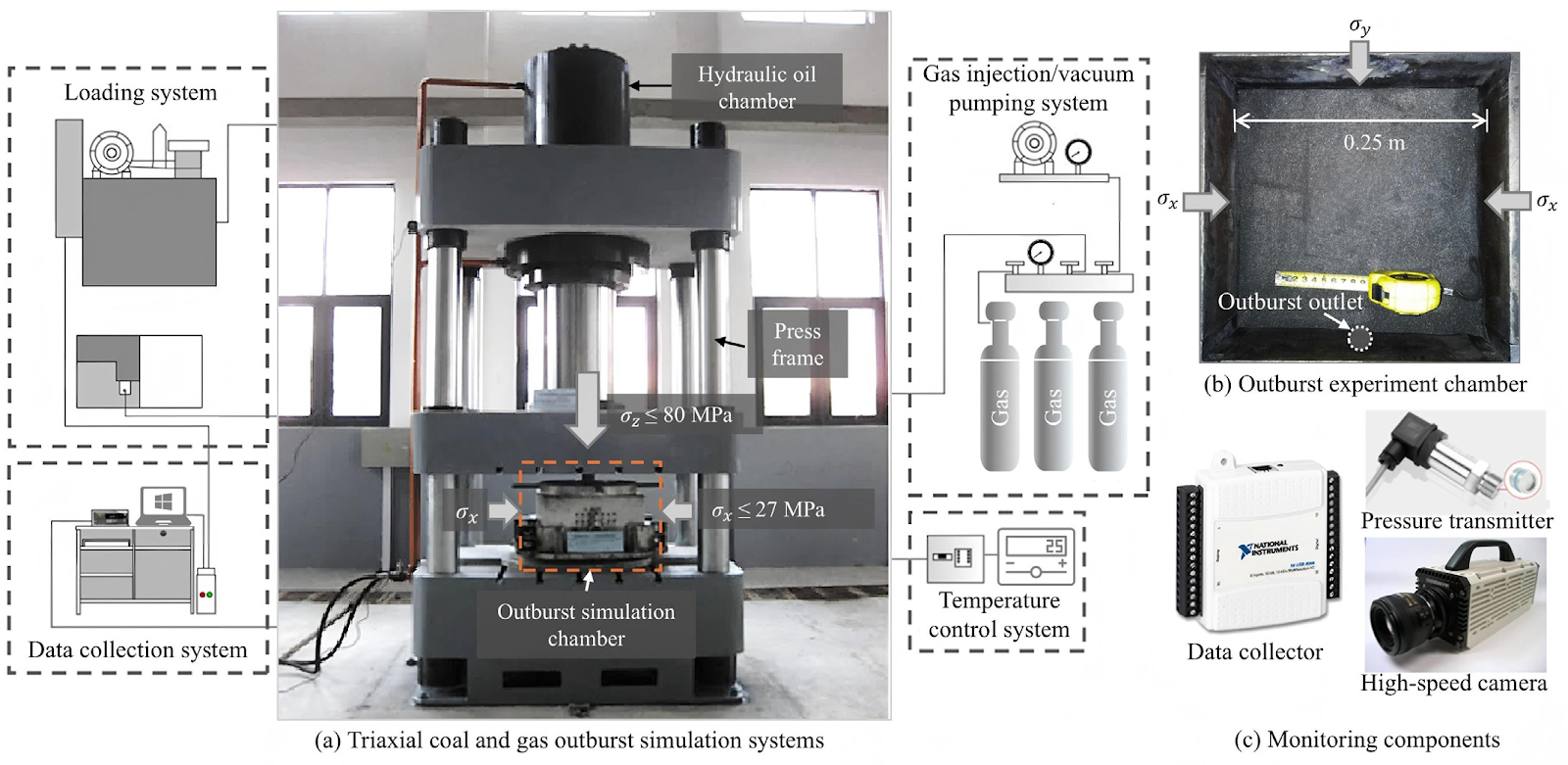
Deterministic cascade evolution in coal and gas outbursts: From early acoustic signatures to system-wide failure

Authors: YANG Lei, WEN Zhijie, WANG Liang, REN Ting, ZUO Yujun

Coal and gas outbursts constitute a critical hazard in underground mining operations, characterized by rapid transitions from localized instability to catastrophic failure. Understanding the relationship between initial characteristics and final outburst scale remains a fundamental challenge in geomechanics. This study conceptualizes outbursts as deterministic cascade systems through integrated physical simulations combining high-sensitivity infrasound monitoring with energy analysis under controlled gas pressure (0.5–1.0 MPa) and confining stress (5–10 MPa) conditions. Our complementary analytical algorithms—the absolute amplitude integral and predominant period function—revealed characteristic step-wise patterns in outburst development. Quantitative analysis established a robust correlation (R2=0.91) between initial acoustic response and final outburst intensity. Energy analysis demonstrated that gas expansion dominates the outburst process (91.81%–99.09% of total energy), with desorption gas contributing 59.1%–77.7%. Time-frequency analysis showed systematic frequency migration from high (12–15 Hz) to low (4–8 Hz) bands during outburst progression, reflecting hierarchical spatial scale expansion. The concentrated energy release (>20% of total) within initial 0.2 s provides a mechanistic basis for the deterministic nature of outburst evolution. These mechanistic insights establish a quantitative framework for developing physics-based monitoring protocols and risk assessment methodologies applicable to underground coal mining operations.

Deterministic cascade evolution in coal and gas outbursts: From early acoustic signatures to system-wide failure
Graphical Abstract
Original ResearchVol. 32, Issue 5 • pp. 100-112DOI: 10.1016/j.ijmst.2025.05.002Jan 15, 2025

Degradation mechanism of coal pillars in an underground coal gasification environment: Bearing capacity, pyrolysis behaviour and pore structure

Authors: Jian Li, Jinwen Bai, Guorui Feng, Erol Yilmaz, Yanna Han, Zhe Wang, Shanyong Wang

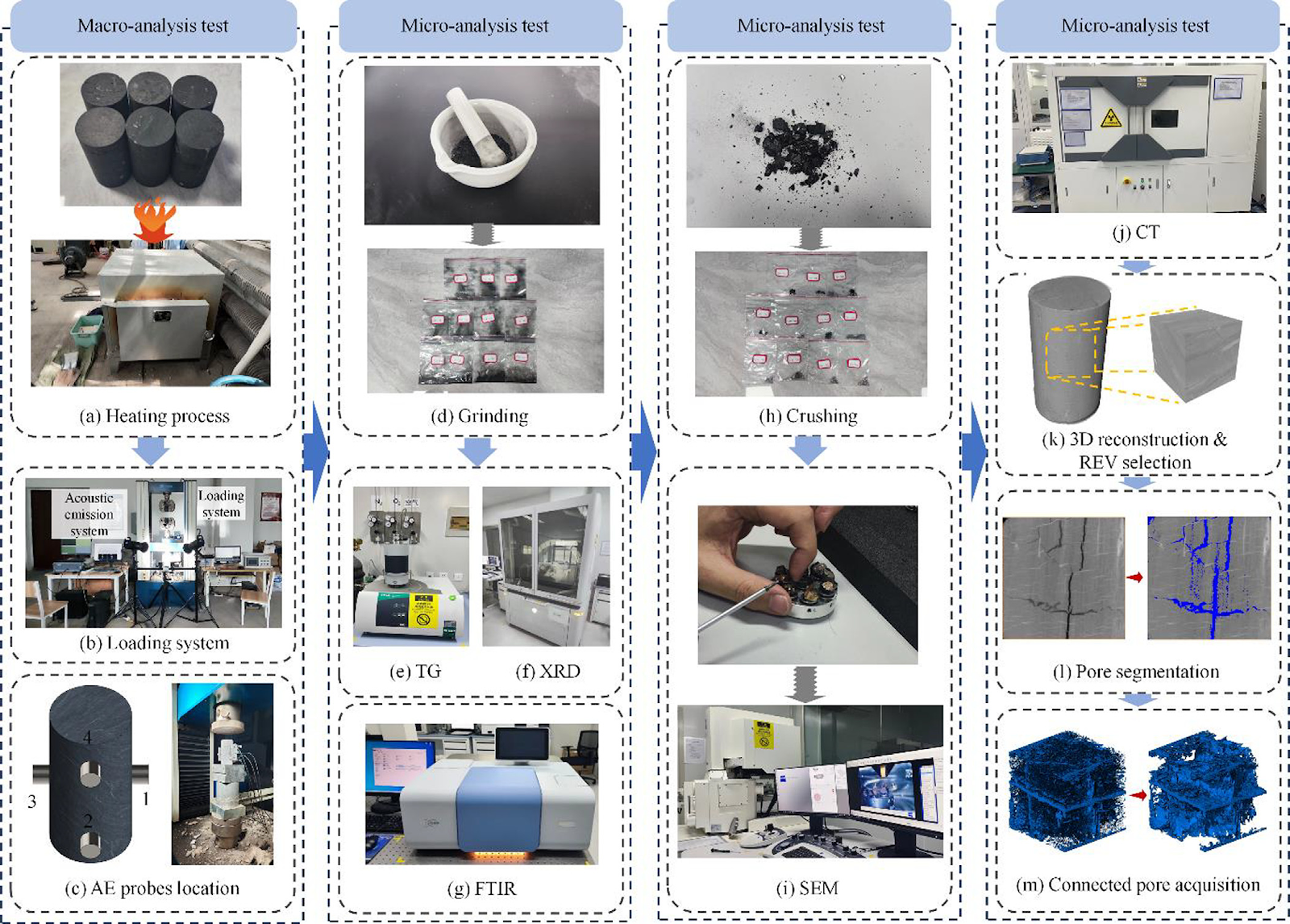
Coal pillars are critical supporting structures between underground coal gasification gasifiers. Its bearing capacity and structural stability are severely threatened by high-temperature environments. To elucidate the high-temperature deterioration mechanism of coal pillars at multiple scales, coal strength features as a function of temperature were investigated via uniaxial compression and acoustic emission equipment. The pyrolysis reaction process and microstructure evolution were characterized via X-ray diffractometer (XRD), scanning electron microscope (SEM), thermogravimetric (TG), Fourier transform infrared spectroscopy (FTIR), and computed tomography (CT) tests. Experimental results reveal a critical temperature threshold of 500 °C for severe degradation of the coal bearing capacity. Specifically, both the strength and elastic modulus exhibit accelerated degradation above this temperature, with maximum reductions of 45.53% and 61.34%, respectively. Above 500 °C, coal essentially undergoes a pyrolysis reaction under N2 and CO2 atmospheres. High temperatures decrease the quantity of O2-based functional groups, growing aromaticity and the degree of graphitization. These changes induce dislocation and slip inside the coal crystal nucleus and then lead to deformation of the coal molecular structural units and strain energy generation. This process results in a great increase in porosity. Consequently, the stress deformation of coal increases, transforming the type of failure from brittle to ductile failure. These findings are expected to provide scientific support for UCG rock strata control.

Degradation mechanism of coal pillars in an underground coal gasification environment: Bearing capacity, pyrolysis behaviour and pore structure
Graphical Abstract
Original ResearchVol. 32, Issue 5 • pp. 100-112DOI: 10.1016/j.ijmst.2025.05.009Jan 15, 2025

A novel coal-rock recognition method in coal mining face based on fusing laser point cloud and images

Authors: LIU Yang, SI Lei, WANG Zhongbin, CHEN Miao, LI Xin, WEI Dong, GU Jinheng

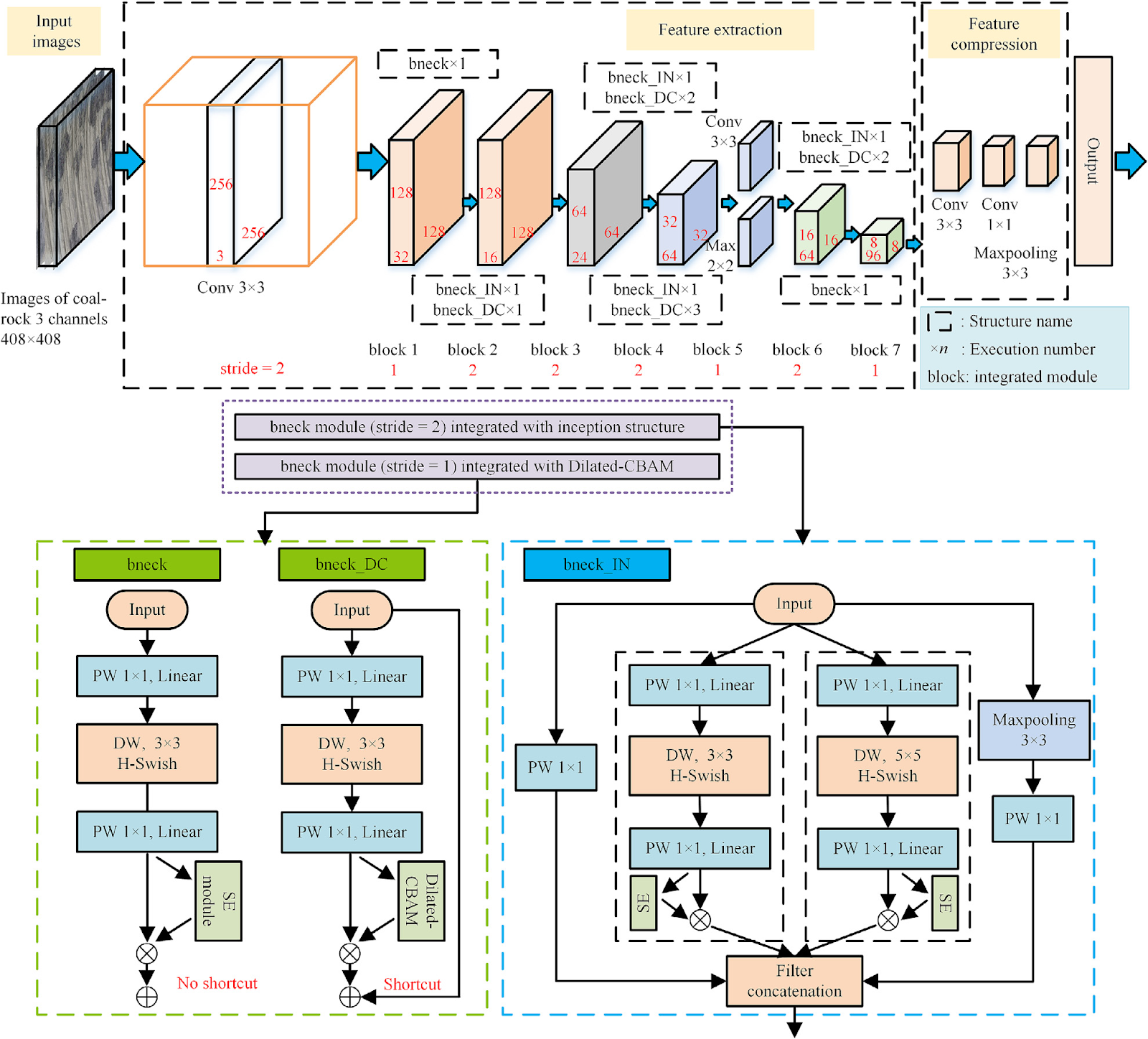
Rapid and accurate recognition of coal and rock is an important prerequisite for safe and efficient coal mining. In this paper, a novel coal-rock recognition method is proposed based on fusing laser point cloud and images, named Multi-Modal Frustum PointNet (MMFP). Firstly, MobileNetV3 is used as the backbone network of Mask R-CNN to reduce the network parameters and compress the model volume. The dilated convolutional block attention mechanism (Dilated CBAM) and inception structure are combined with MobileNetV3 to further enhance the detection accuracy. Subsequently, the 2D target candidate box is calculated through the improved Mask R-CNN, and the frustum point cloud in the 2D target candidate box is extracted to reduce the calculation scale and spatial search range. Then, the self-attention PointNet is constructed to segment the fused point cloud within the frustum range, and the bounding box regression network is used to predict the bounding box parameters. Finally, an experimental platform of shearer coal wall cutting is established, and multiple comparative experiments are conducted. Experimental results indicate that the proposed coal-rock recognition method is superior to other advanced models.

A novel coal-rock recognition method in coal mining face based on fusing laser point cloud and images
Graphical Abstract
Original ResearchVol. 32, Issue 5 • pp. 100-112DOI: 10.1016/j.ijmst.2025.05.004Jan 15, 2025

Investigation into failure mechanisms of lunar regolith simulant under thin-walled drilling tool with critical parameters

Authors: GAO Zheng, GAO Mingzhong, HAO Haichun, WU Yan, CAO Jinfeng, SUN Qichen, GONG Junshan, ZHOU Lang, ZHOU Xuemin

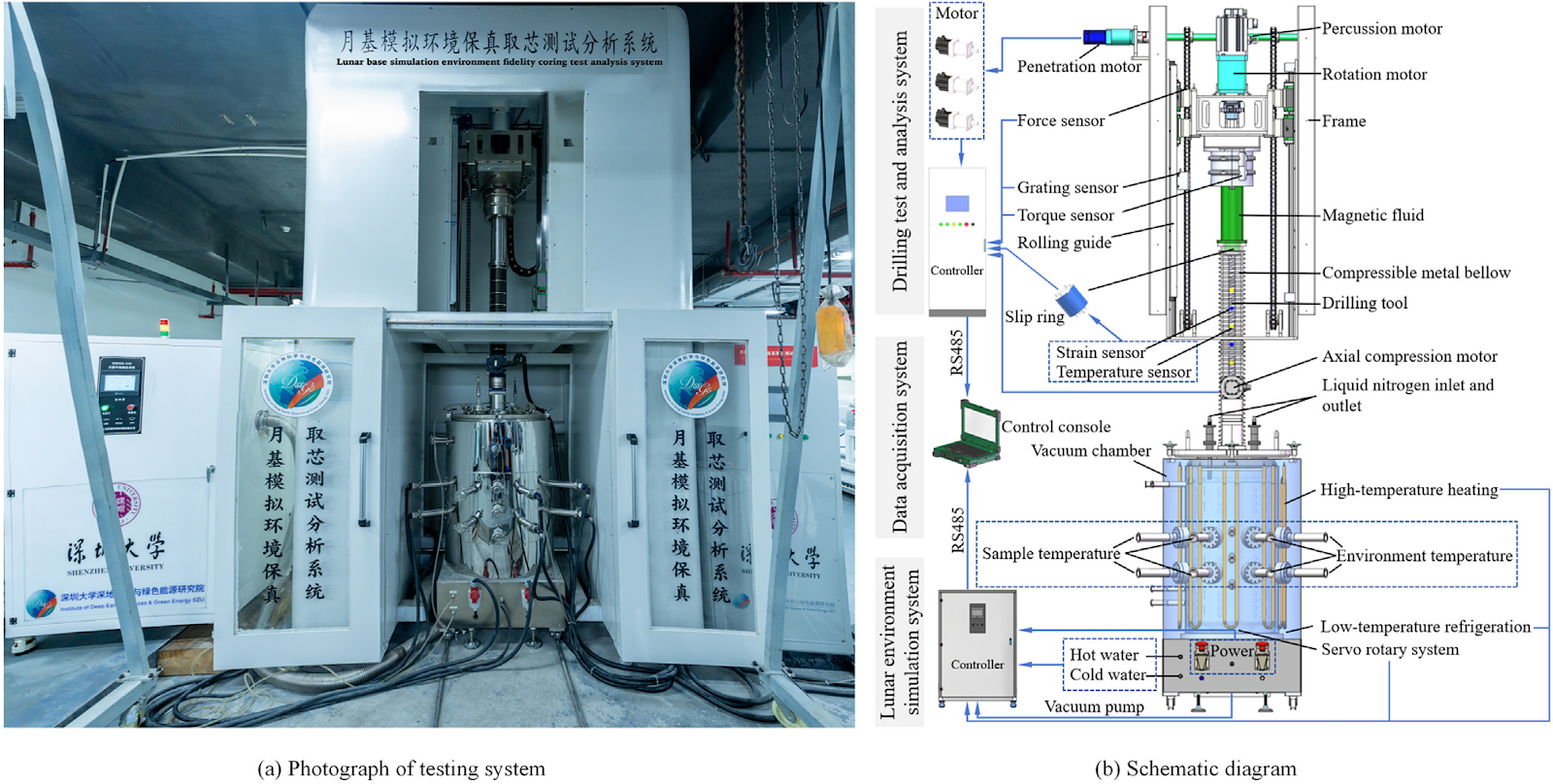
Acquiring pristine deep lunar regolith cores with appropriate drilling tools is crucial for deciphering the lunar geological history. Conventional thick-walled drill bits are inherently limited in obtaining deep lunar regolith samples, whereas thin-walled coring bits offer a promising solution for lunar deep drilling. To support future lunar deep exploration missions, this study systematically investigates the failure mechanisms of lunar regolith induced by thin-walled drilling tools. Firstly, five thin-walled bit configurations were designed and evaluated based on drilling load, coring efficiency, and disturbance minimization, with Bit D demonstrating optimal overall performance. And the interaction mechanisms between differently configured coring bits and large-particle lunar regolith were elucidated. Coring experiments under critical drilling parameters revealed an operational window for the feed-to-rotation ratio (FRR of 2.0–2.5), effectively balancing drilling load and core recovery rate. Furthermore, a novel theoretical framework was developed to characterize dynamic drilling load parameters, supported by experimental validation. Based on these findings, practical strategies are proposed to mitigate drilling-induced disturbances, including parameter optimization and bit structural improvements. This research could provide valuable insights for designing advanced lunar deep drilling tools and developing drilling procedures.

Investigation into failure mechanisms of lunar regolith simulant under thin-walled drilling tool with critical parameters
Graphical Abstract
Original ResearchVol. 32, Issue 5 • pp. 100-112DOI: 10.1016/j.ijmst.2025.05.001Jan 15, 2025

Shear damage constitutive model of rock-like joint surface considering the coupling effect of cyclic water intrusion and loading

Authors: Zhe Qin, Runchang Zhang, Ke Wang, Lixue Cao, Yushui Yan

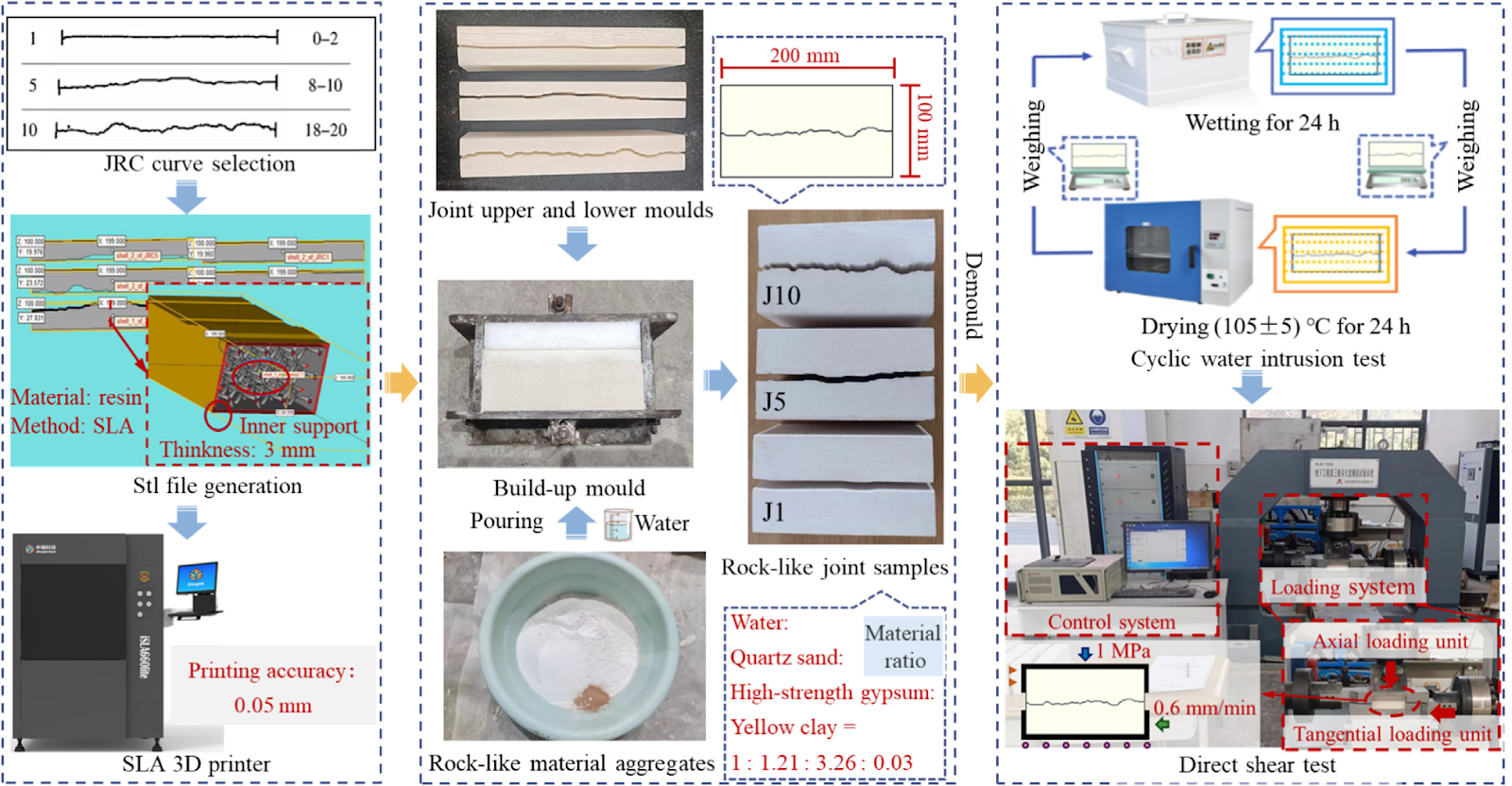
Prolonged cyclic water intrusion has progressively developed joints in the hydro-fluctuation belt, elevating the instability risk of reservoir bank slopes. To investigate its impact on joint shear damage evolution, joint samples were prepared using three representative roughness curves and subjected to direct shear testing following cyclic water intrusion. A shear damage constitutive model considering the coupling effect of cyclic water intrusion and load was developed based on macroscopic phenomenological damage mechanics and micro-statistical theory. Results indicate: (1) All critical shear mechanical parameters (including peak shear strength, shear stiffness, basic friction angle, and joint compressive strength) exhibit progressive deterioration with increasing water intrusion cycles; (2) Model validation through experimental curve comparisons confirms its reliability. The model demonstrates that intensified water intrusion cycles reduce key mechanical indices, inducing a brittle-to-ductile transition in joint surface deformation — a behavior consistent with experimental observations; (3) Damage under cyclic water intrusion and load coupling follows an S-shaped trend, divided into stabilization (water-dominated stage), development (load-dominated stage), and completion stages. The research provides valuable insights for stability studies, such as similar model experiments for reservoir bank slopes and other water-related projects.

Shear damage constitutive model of rock-like joint surface considering the coupling effect of cyclic water intrusion and loading
Graphical Abstract
Original ResearchVol. 32, Issue 5 • pp. 100-112DOI: 10.1016/j.ijmst.2025.05.005Jan 15, 2025

A novel viscoplastic model for salt rock deformation under internal cyclic gas pressure loading

Authors: Jinyang Fan, Luxuan Tang, Marion Fourmeau, Zongze Li, Wenhao Liu, Yang Zou, Deyi Jiang

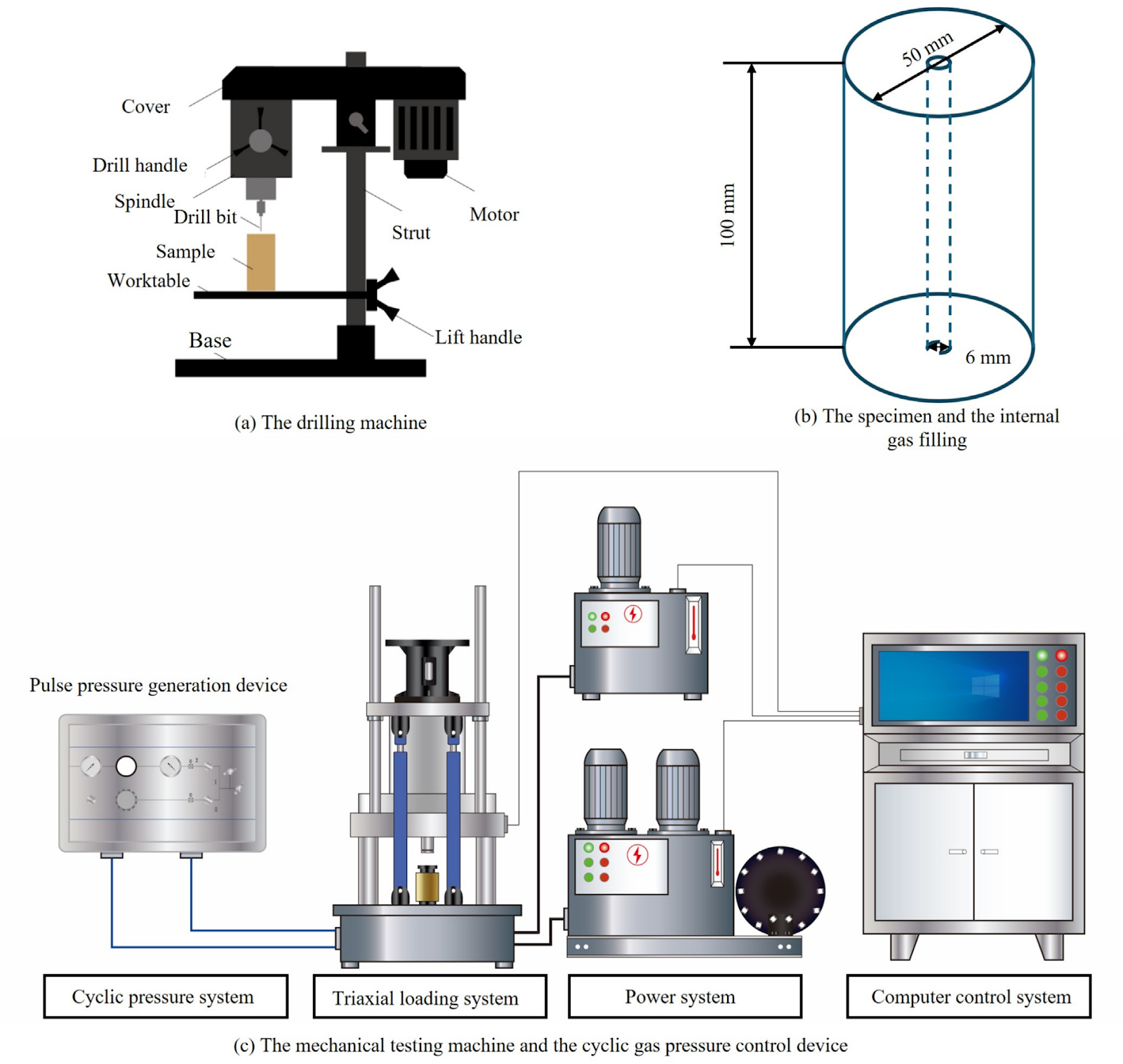
Salt caverns are widely used for energy storage. During gas storage, the internal gas pressure fluctuates cyclically in response to energy demand, making it essential to assess how these pressure variations affect rock deformation. In this study, experiments were conducted under different cyclic gas pressure conditions to investigate this effect. The findings indicate that (1) the deformation process of salt rock can be segmented into three stages: the deceleration stage, the steady-state stage, and the acceleration stage. (2) When the axial pressure remains constant, both axial and radial deformations exhibit a stepwise increasing trend in response to cyclic gas pressure variations. Similarly, under axial graded loading, the deformations also demonstrate a progressive rise. By analyzing the deformation differences and model coefficient fluctuations within a single gas pressure cycle, it is found that radial deformation is higher sensitive to changes in cyclic gas pressure. (3) The axial deformation shows a stepwise increase, and the radial deformation showed a cyclic change with changing gas pressure. Therefore, the cyclic gas pressure influence factor a, axial loading influence factor b, and state variable r are introduced to develop a viscoplastic ontological model that accounts for the impacts of cyclic gas pressure, confining pressure and axial stress. Validated by the deformation data, the new model can better fit both the axial deformation and the radial deformation of the three stages and has strong applicability and accuracy by changing only fewer parameters. The state variable rate shows the same stage as the deformation rate and residual strain of salt rock, which can better reflect the internal hardening of salt rock.

A novel viscoplastic model for salt rock deformation under internal cyclic gas pressure loading
Graphical Abstract