Key Takeaways & Executive Findings
- •• SRIS-Net integrates spatial and frequency-domain features via Laplacian pyramid decomposition, enabling robust and invisible image steganography. • A global–local embedding module (GLEM) and a dual multi-scale aggregation sub-network (DMSubNet) jointly improve carrier image quality and embedding effectiveness. • A dual-task discriminator produces feature score maps of the cover image's ROI, guiding embedding toward higher imperceptibility and undetectability. • On BOSSBase, SRIS-Net achieves over 9.2 dB and 3.4 dB visual quality improvements over mainstream methods, with capacity increased up to approximately 72–96 bits per pixel.
Abstract
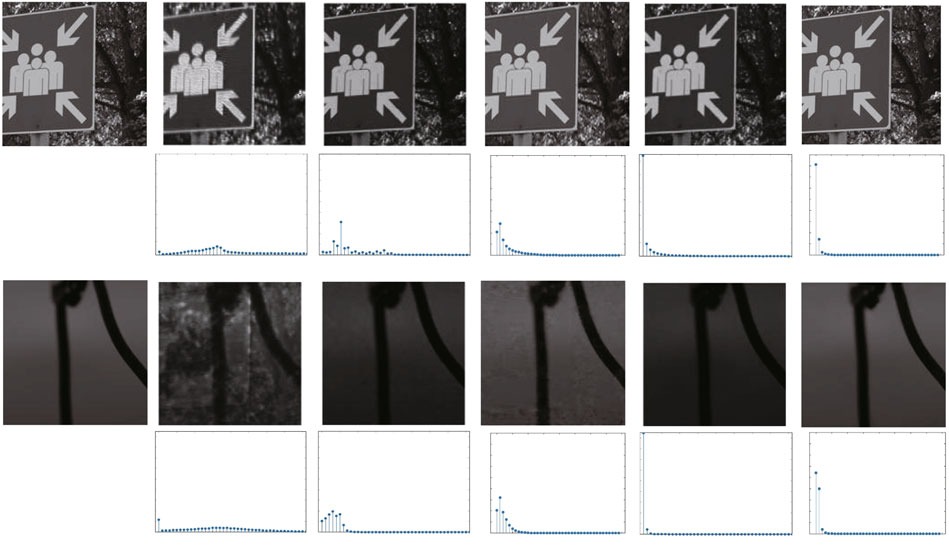
Image steganography algorithms based on deep learning are often trained using either spatial- or frequency-domain features. It is difficult for features from a single domain to comprehensively express the content of an entire image, which usually leads to poor performance because steganography is commonly multi-task. To solve this problem, this paper proposes a robust image steganography algorithm based on feature score maps, called the secure and robust image steganography network (SRIS-Net). First, instead of spatial-domain steganography, our proposed algorithm utilizes a convolutional neural network to obtain shallow spatial-domain features. These features are decomposed by Laplacian pyramid frequency-domain decomposition (LPFDD) to hide secret information in the different frequency sub-bands with a progressive assisted hiding strategy that significantly reduces the influence of the secret information on the cover image, achieving significant invisibility and robust performance. In addition, we propose a global–local embedding module (GLEM) to achieve embedding by considering the overall structure of the image and the local details, and a dual multi-scale aggregation sub-network (DMSubNet) to perform multi-scale reconstruction to improve the quality of the carrier image. For security, we propose a dual-task discriminator structure, while giving a real/fake judgment of the image, which can generate a feature score map of the cover image's region of interest (ROI) to guide the embedding module to generate a carrier image with higher imperceptibility and undetectability. Experimental results on BOSSBase show that our SRIS-Net outperforms mainstream methods in terms of undetectability and robustness, with more than 9.2 and 3.4 dB improvement in visual quality, respectively, and the capacity can be increased up to approximately 72–96 bits per pixel.
1. Introduction
Image steganography (Cheddad et al., 2010; Wengrowski and Dana, 2019; Tancik et al., 2020) hides information by exploiting image redundancy. A secret image is embedded in a cover image to generate a carrier image, while maintaining better visual quality of the carrier image and higher accuracy of the secret image extraction. Based on security considerations, the carrier image is usually required to be visually indistinguishable from the cover image. Traditional methods often hide the secret information using the least significant bit (LSB) (Barni et al., 2001; Li XL et al., 2009). These methods can hide only a limited amount of information and are not robust enough against various attacks, such as steganalysis detection (Ren et al., 2025).
In recent years, deep learning (DL)-based image steganography has shown promising results (Hu et al., 2018; ur Rehman et al., 2018). Baluja (2017) proposed the first convolutional neural network (CNN) in this domain. Researchers further improved image steganography performance by improving the network structure (Baluja, 2020) and introducing new loss functions (Singh et al., 2022). Invertible neural networks (INNs) demonstrate superior performance in image steganography (Lu et al., 2021; Yang et al., 2024) due to their precise fulfillment of the inverse relationship between embedding and extraction processes. Some studies (Chen et al., 2020) focused on designing frameworks with good robustness, and other works improved robustness by introducing noise in training (Ying et al., 2022).
Attention-based data hiding using a generative adversarial network (ADH-GAN) (Yu, 2020) guarantees both robustness and capacity. However, extensive training of an attention module is required to obtain attention weight maps for steganography assistance. Inspired by PatchGAN (Isola et al., 2017), a discriminator can evaluate the entire image generated by the generator and feed the attention back to each patch. As for the image steganography task, if the region of interest (ROI) of the steganalysis can be known before embedding, higher security can be achieved. The above methods directly concatenate or add the cover image and the secret image, or extract their features and then concatenate or add them, without considering the correlation and adaptability between features, and thus it is not optimal for the network to excel in only some aspects of performance but perform poorly in others. Moreover, image steganography based on DL is usually trained using features in a single domain, such as the spatial (Lu et al., 2021) or frequency (Jing et al.
Loading authentic research manuscript (Pages 1–5)...
Ai XIAO, Zhi LI, Guomei WANG, Long ZHENG, Haoyuan SUN (2025). SRIS-Net: a robust image steganography algorithm based on feature score maps. Frontiers of Information Technology & Electronic Engineering. https://doi.org/10.1631/FITEE_2400069
Research & Educational Purpose Only:The translations, structured abstracts, analytical annotations, and data reports provided by SinoTechIntel are intended exclusively for academic research, internal corporate R&D, and educational benchmarking. They do not constitute formal engineering, chemical safety, legal, or professional advice.
Copyright & Intellectual Property Notice: Original copyright of the underlying source articles and experimental data remains with the respective authors, institutions, and original publishing journals. SinoTechIntel claims intellectual property only over its proprietary translations, analytical syntheses, and AEO structured enhancements in accordance with international fair use and academic citation principles.
Frequently Asked Questions
What is SRIS-Net?
SRIS-Net (Secure and Robust Image Steganography Network) is a deep learning-based image steganography algorithm that uses feature score maps and Laplacian pyramid frequency-domain decomposition to achieve robust and undetectable information hiding.
How does SRIS-Net improve undetectability?
SRIS-Net employs a dual-task discriminator that not only judges real/fake images but also generates feature score maps of the cover image's region of interest, guiding the embedding module to produce carrier images with higher imperceptibility and undetectability.
What visual quality improvements does SRIS-Net achieve?
On the BOSSBase dataset, SRIS-Net outperforms mainstream methods with more than 9.2 dB and 3.4 dB improvements in visual quality, and supports a capacity of up to approximately 72–96 bits per pixel.
What role does Laplacian pyramid frequency-domain decomposition play in SRIS-Net?
LPFDD decomposes shallow spatial-domain features into different frequency sub-bands, allowing secret information to be hidden with a progressive assisted hiding strategy that significantly reduces the influence on the cover image.
What are the key components of SRIS-Net?
SRIS-Net consists of a global–local embedding module (GLEM), a dual multi-scale aggregation sub-network (DMSubNet), and a dual-task discriminator that together enhance capacity, robustness, and undetectability.
Related Technical Papers & Translations
Design and optimization of a high-efficiency distillation process for cellulosic fuel ethanol integrated with thermal coupling and molecular sieve adsorption
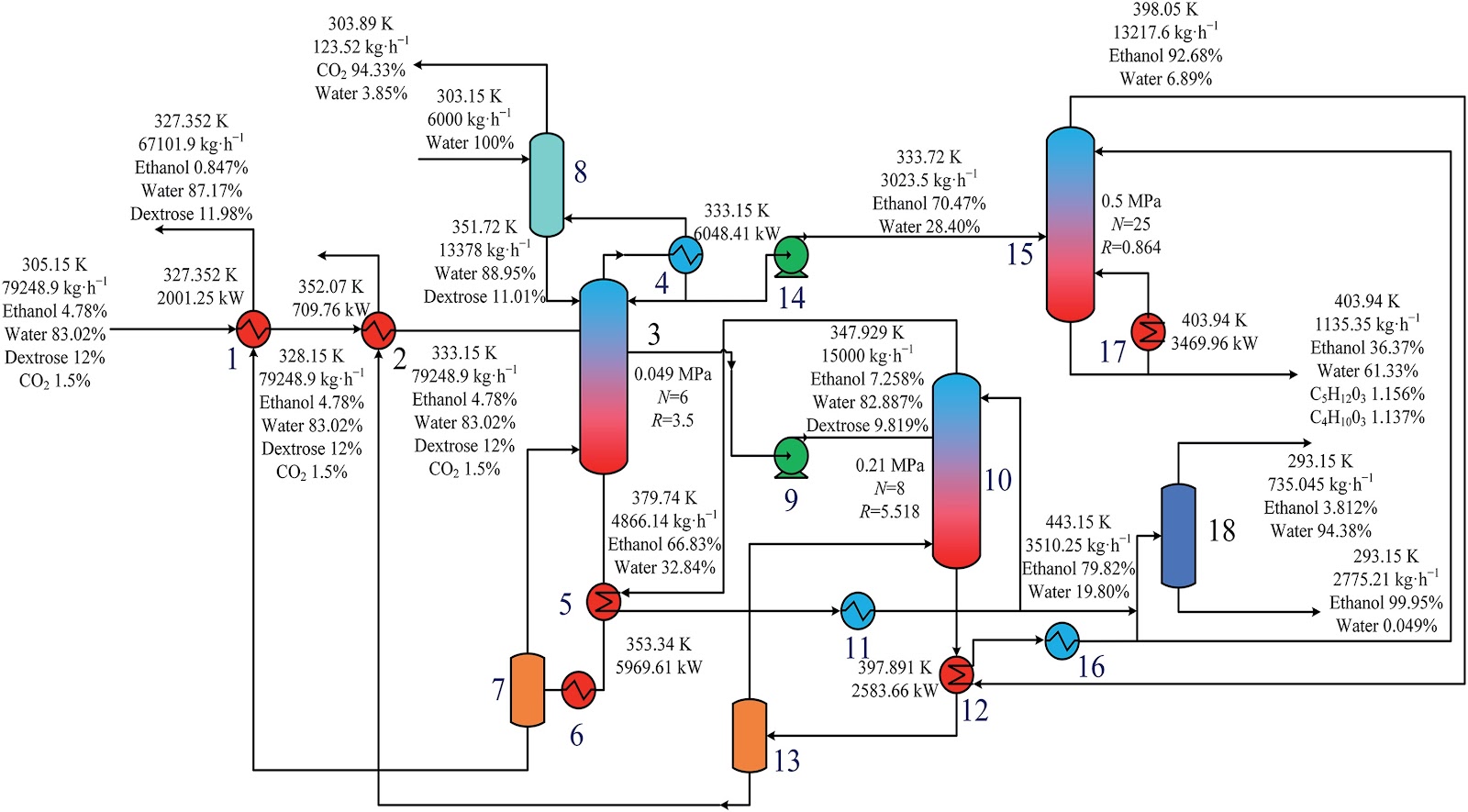
To address the challenges of high energy consumption and prominent costs in the traditional three-columns distillation process for cellulosic fuel ethanol, a distillation—molecular sieve coupling separation process is proposed. This process integrates a three-column (crude distillation column, first distillation column, second distillation column) system with a 3A molecular sieve adsorption deep dehydration unit. A thermal coupling network is constructed via differential pressure design (steam from medium/high-pressure columns as mutual heat sources, reboiler liquid waste heat for feed preheating), and molecular sieve adsorption conditions are optimized. The study first performs a thermodynamic consistency test on the ethanol—water system, determines optimal non-random two-liquid (NRTL) model binary interaction parameters via experimental data regression for Aspen Plus simulation. Aiming at minimum total annual cost (TAC), Aspen Plus is used to optimize process parameters (theoretical tray number, feed location, reflux ratio, side-draw position, etc.). Economic analysis shows this process reduces CO2 emission costs by 27.56%, TAC by 15.58% (to 5.123 × 10⁶ USD·a-1), and increases ethanol purity to >99.6%, providing an effective solution for green, efficient separation.
A cohesion loss model for determining residual strength of deep bedded sandstone
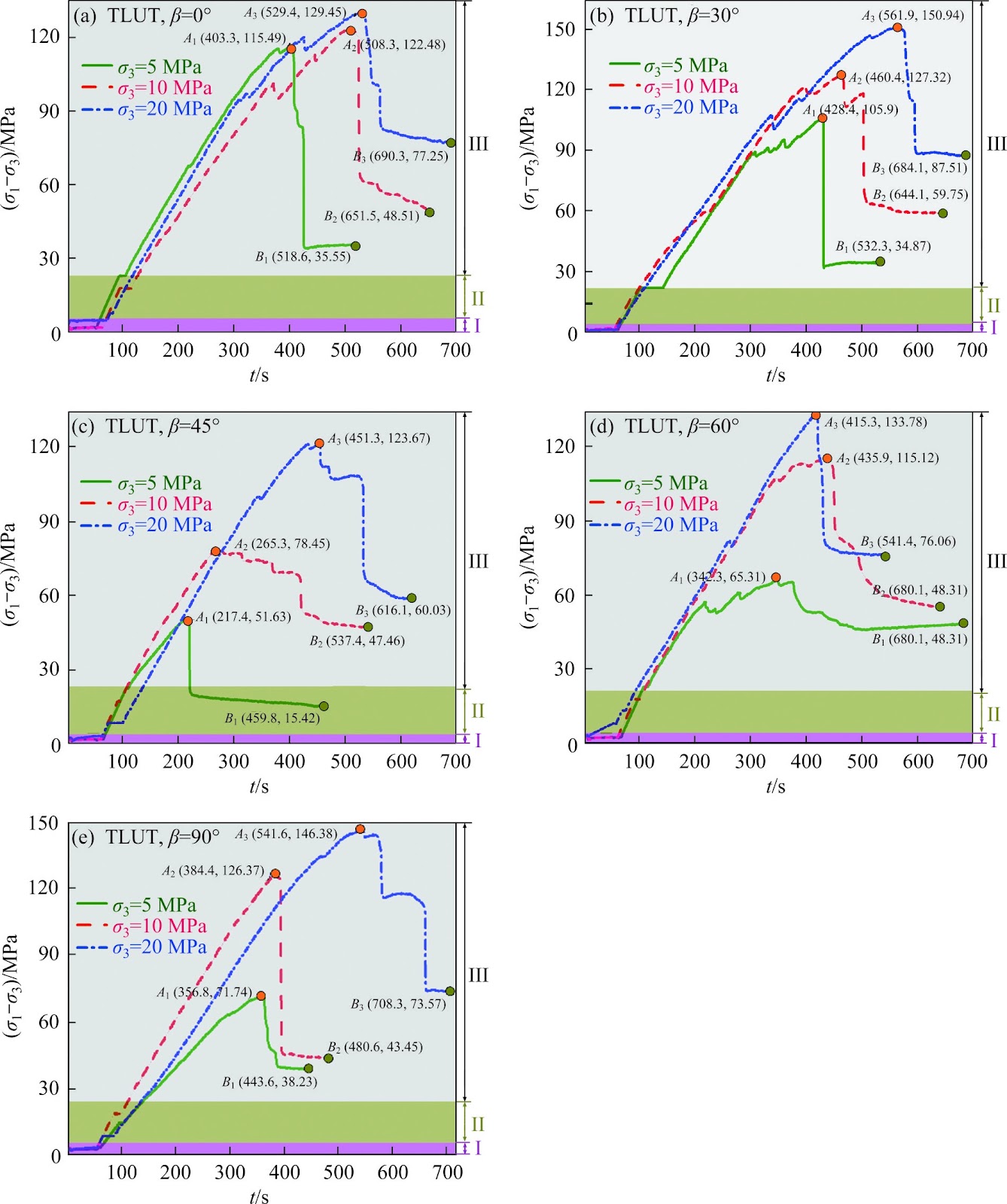
Rock residual strength, as an important input parameter, plays an indispensable role in proposing the reasonable and scientific scheme about stope design, underground tunnel excavation and stability evaluation of deep chambers. Therefore, previous residual strength models of rocks established were reviewed. And corresponding related problems were stated. Subsequently, starting from the effects of bedding and whole life-cycle evolution process, series of triaxial mechanical tests of deep bedded s
Federated model with contrastive learning and adaptive control variates for human activity recognition
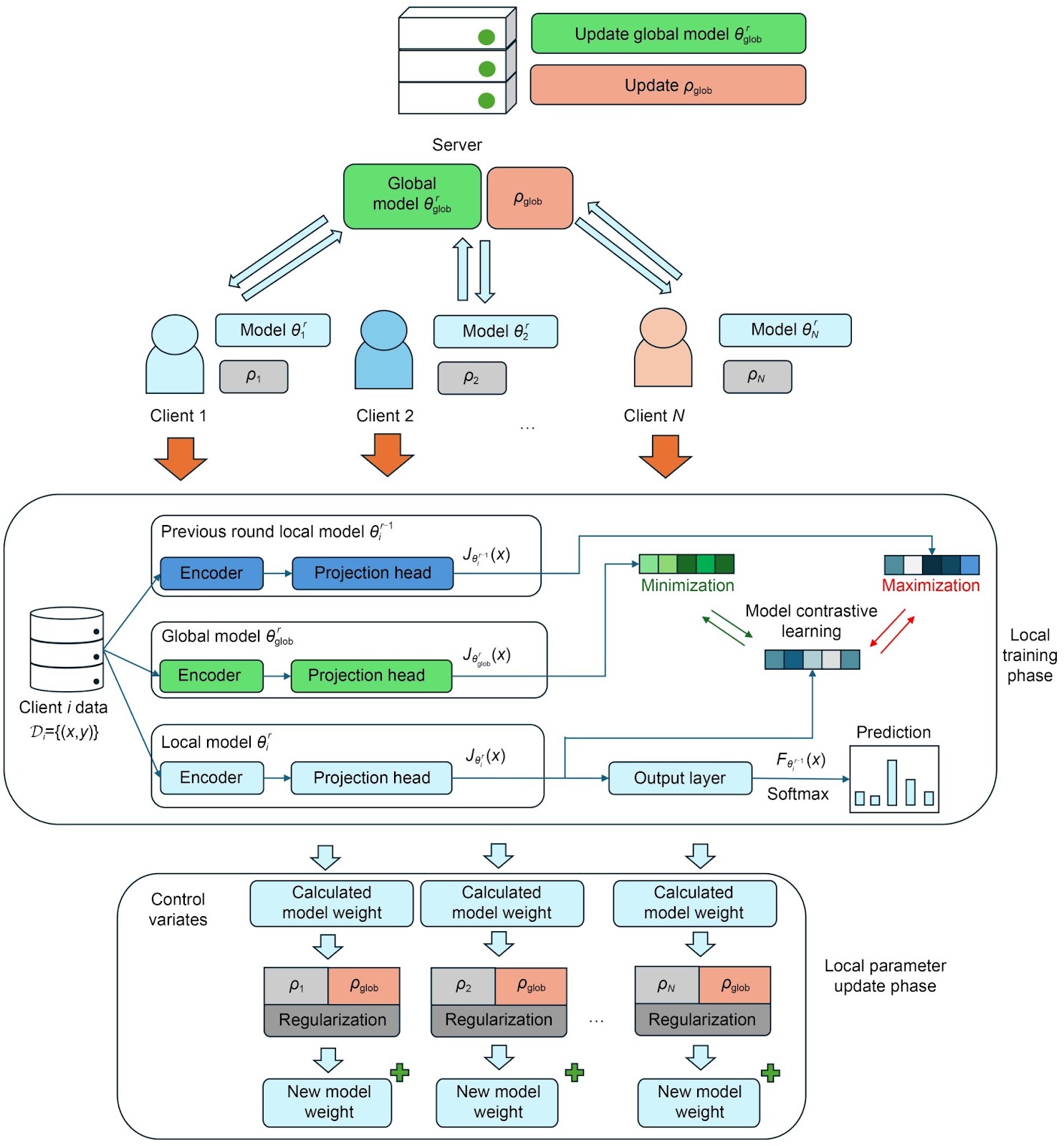
Recent attention to privacy issues demands a communication-safe method for training human activity recognition (HAR) models on client activity data. Federated learning (FL) has become a compelling technique to facilitate model training between the server and clients while preserving data privacy. However, classical FL methods often assume independent and identically distributed (IID) data among clients. This assumption does not hold true in practical scenarios. Human activity in real-world scena