Key Takeaways & Executive Findings
- •• LPBF 316L steel annealed at 1200 °C for 20 h achieves an outstanding synergy of enhanced strength and exceptional ductility, with ultimate tensile strength of 613 MPa and total elongation of 73.8%. • Controlled high-temperature annealing significantly increases the proportion of coincidence site lattice (CSL) grain boundaries, improving microstructural stability and mechanical performance. • Quasi-in-situ tensile testing reveals that deformation twinning reorients crystals, promoting further slip and plastic deformation, which underpins the enhanced plasticity. • The synergistic activation of slip and twinning mechanisms is the key to achieving superior ductility in heat-treated LPBF 316L steel, offering a pathway for optimizing additively manufactured stainless steel components.
Abstract
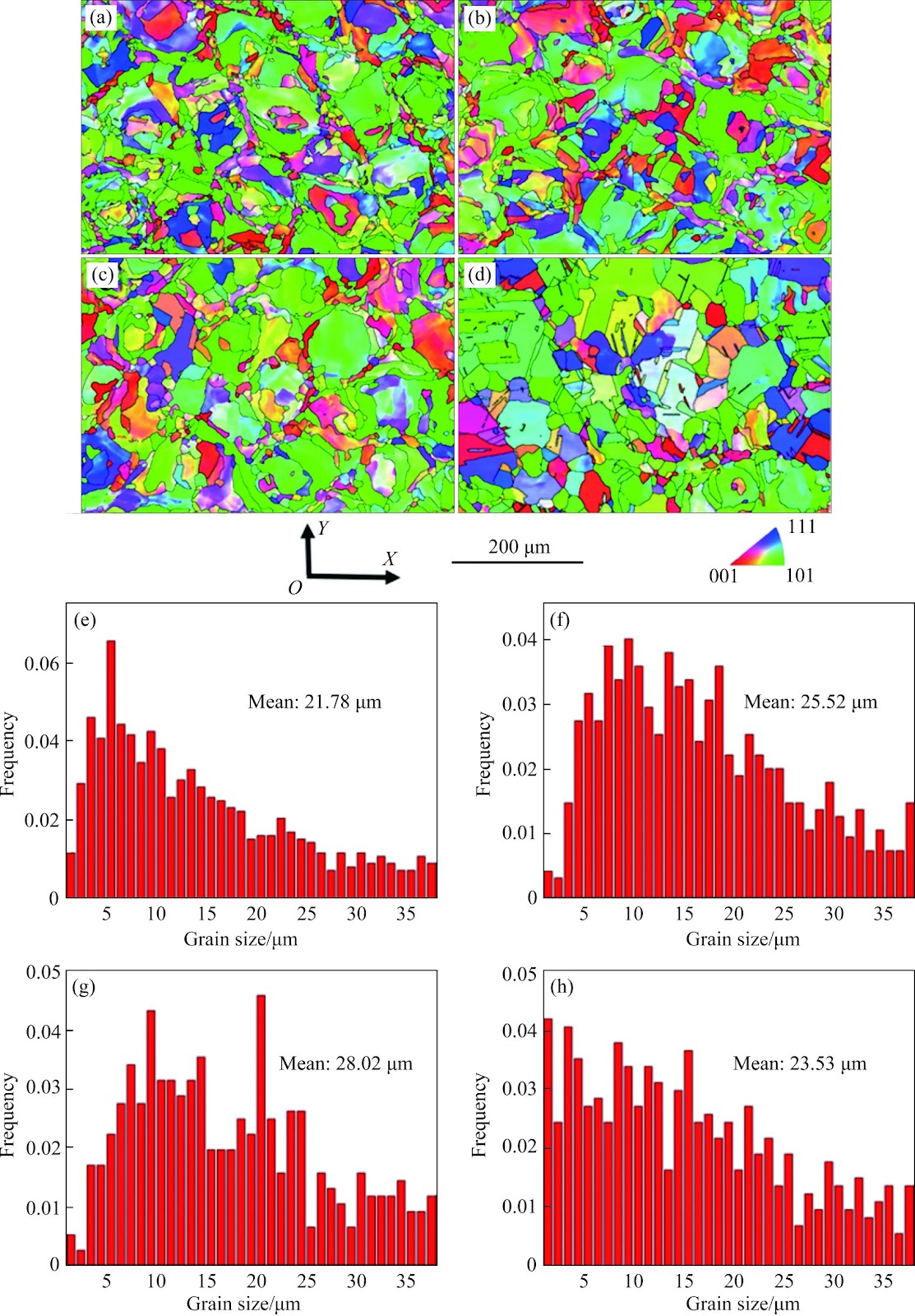
The research demonstrated that laser powder bed fusion (LPBF) coupled with controlled annealing at 1200 °C, could significantly increase the proportion of coincidence site lattice (CSL) grain boundary, thereby achieving an outstanding synergy of enhanced strength and exceptional ductility. The plastic deformation behavior, strain hardening behavior, and fracture behavior of LPBF 316L steel annealing at 1200 ℃ for 20 h were studied through quasi-in-situ tensile process. It was found that LPBF 316L steel formed a certain proportion of deformation twins during the tensile process, and the formation of twins changed the crystal orientation, thus promoting further slip and crystal deformation. The synergistic effect of slip and twin promoted higher plasticity. LPBF process coupled with controlled annealing at 1200 °C for 20 h leads to a ultimate tensile strength of 613 MPa and total elongation of 73.8%.
1. Introduction
In metals or metal alloys, physical or mechanical properties can be improved by controlling special types of grain boundaries, such as twin boundaries and low-energy boundaries [1−3]. Traditional methods for grain boundary control usually require multiple cycles of annealing of the sheet, followed by processing or forming the final product [4]. Heat treatment is used to reduce residual stress, homogenize the microstructure, or adjust phase proportions [5]. It also affects grain boundary distribution, making it one of the common processes for improving microstructure and mechanical properties [6]. During the solidification process of LPBF 316L steel, the extremely fast cooling rate within the micro-melting pool, due to the interaction between the laser and the powder, results in a hierarchical structure at macroscopic, microscopic, and nanoscale levels [7], including melting pools, columnar grains, low-angle grain boundaries (LAGBs), cellular dislocation structures [8], and nano-sized oxide inclusions [9]. This results in a good combination of high strength and good elongation through dislocation strengthening and twin-induced plasticity (TWIP) effects during plastic deformation [7]. This unique microstructure endows 316L stainless steel with good strength and ductility, which cannot be achieved through traditional manufacturing routes. However, this microstructure may be unstable [10, 11], and different heat treatment conditions for LPBF 316L, apart from eliminating residual stresses [6], can change or even eliminate some of the unique microstructures (i.e., melting pools, cellular structures, etc.) [12], control precipitation [13], or cause phase transformations [14−16], thus revealing the effect of certain microstructures on mechanical properties [9].
CHAO et al [17] conducted heat treatments on LPBF 316L stainless steel samples at different temperatures and durations, finding that heating at 1100 ℃ for 5 min released nearly 90% of the residual stress and induced recrystallization. Increasing the holding time to 8 h resulted in the coarsening of intergranular inclusions, grain growth, and the transformation of most columnar grains into equiaxed grains. LIU et al [18] performed annealing and solution treatments on LPBF 316L stainless steel samples, discovering that heat treatment could refine grains and densify the microstructure. Interestingly, after tensile testing of the heat-treated samples, they observed improvements in tensile strength, yield strength, and elongation, which is contrary to the common trend of mechanical properties after heat treatment [8, 19]. Solution treatment can induce recrystallization, transforming most columnar grains into equiaxed grains. High-temperature heat treatments generally reduce substructures [17] and decrease dislocation entanglement [8, 17, 20]. Furthermore, it has been suggested that increasing the recrystallization time can reduce anisotropy [20], offering potential for the application of LPBF in industry. However, there is still limited research on the microstructure stability and mechanical behavior of LPBF 316L after annealing for different durations under high temperature conditions.
Loading authentic research manuscript (Pages 1–5)...
LI Wen-qi, MENG Li-xin, ZHANG Qian-fen, LU Hui-hu, NIU Xiao-feng, HOU Hua (2025). High-temperature stability and mechanical property optimization of laser powder bed fusion 316L steel after controlled annealing. Journal of Central South University. https://doi.org/10.1007/s11771-025-5947-x
Research & Educational Purpose Only:The translations, structured abstracts, analytical annotations, and data reports provided by SinoTechIntel are intended exclusively for academic research, internal corporate R&D, and educational benchmarking. They do not constitute formal engineering, chemical safety, legal, or professional advice.
Copyright & Intellectual Property Notice: Original copyright of the underlying source articles and experimental data remains with the respective authors, institutions, and original publishing journals. SinoTechIntel claims intellectual property only over its proprietary translations, analytical syntheses, and AEO structured enhancements in accordance with international fair use and academic citation principles.
Frequently Asked Questions
What heat treatment conditions were investigated in this study?
The study investigated controlled annealing of laser powder bed fusion (LPBF) 316L steel at 1200 °C for 20 hours. This specific heat treatment was found to significantly increase the proportion of coincidence site lattice (CSL) grain boundaries, leading to enhanced strength and ductility.
What were the key mechanical properties achieved after annealing?
After controlled annealing at 1200 °C for 20 hours, the LPBF 316L steel exhibited an ultimate tensile strength of 613 MPa and a total elongation of 73.8%, demonstrating an outstanding synergy of strength and ductility.
How does annealing at 1200 °C affect the microstructure of LPBF 316L steel?
Annealing at 1200 °C for 20 hours increases the proportion of coincidence site lattice (CSL) grain boundaries and improves microstructural stability. The heat treatment modifies the hierarchical structure typical of LPBF, promoting recrystallization and grain boundary engineering.
What deformation mechanisms contribute to the enhanced ductility?
The enhanced ductility is attributed to the synergistic effect of slip and deformation twinning. During tensile deformation, deformation twins form, which change the crystal orientation and promote further slip and crystal deformation, thereby increasing plasticity.
Why is this research significant for additive manufacturing?
This research provides a viable heat treatment route to optimize the strength-ductility balance in LPBF 316L steel, which is crucial for high-temperature applications. It also enhances the understanding of microstructural evolution and deformation behavior in additively manufactured stainless steels, supporting industrial adoption.
Related Technical Papers & Translations
Design and optimization of a high-efficiency distillation process for cellulosic fuel ethanol integrated with thermal coupling and molecular sieve adsorption
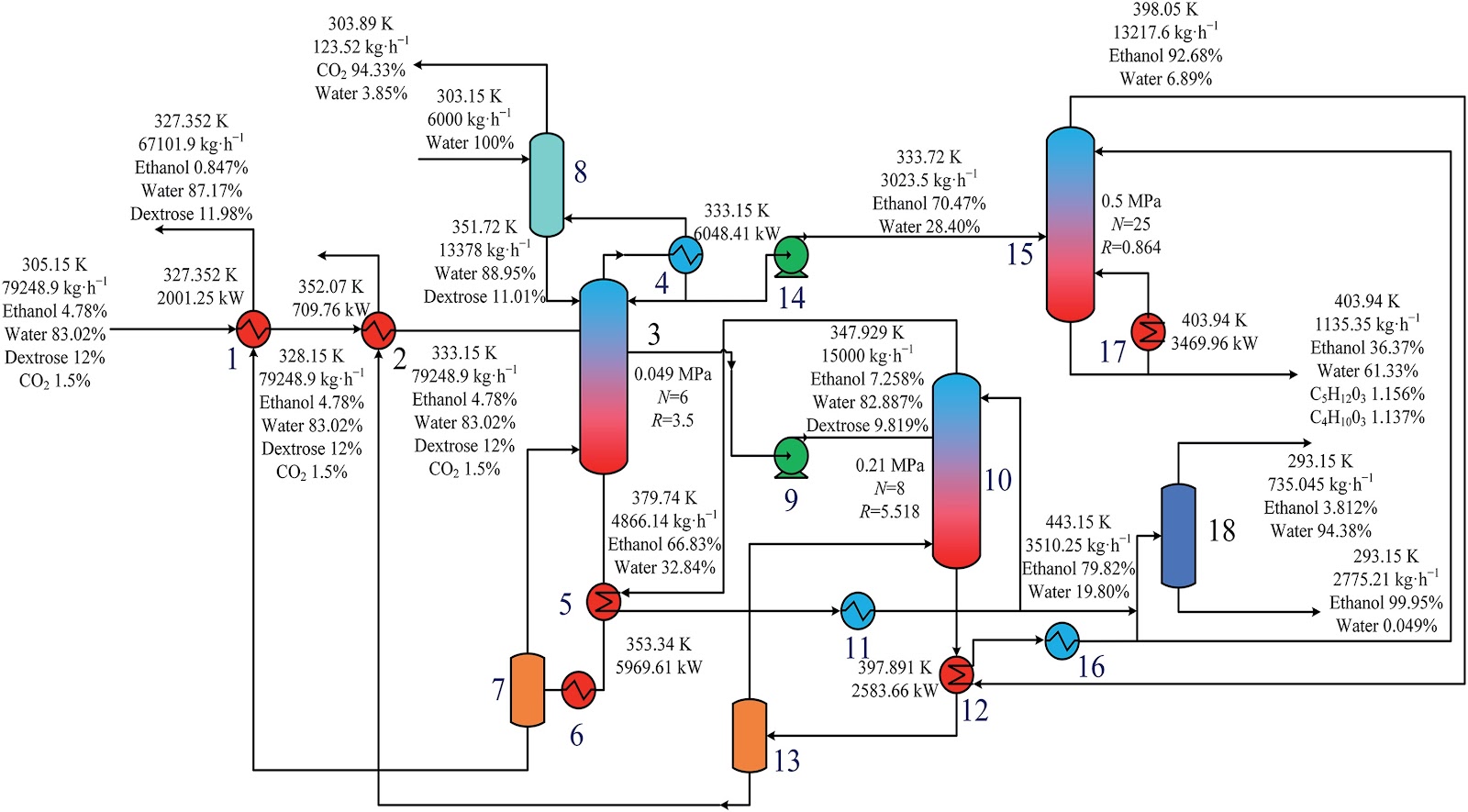
To address the challenges of high energy consumption and prominent costs in the traditional three-columns distillation process for cellulosic fuel ethanol, a distillation—molecular sieve coupling separation process is proposed. This process integrates a three-column (crude distillation column, first distillation column, second distillation column) system with a 3A molecular sieve adsorption deep dehydration unit. A thermal coupling network is constructed via differential pressure design (steam from medium/high-pressure columns as mutual heat sources, reboiler liquid waste heat for feed preheating), and molecular sieve adsorption conditions are optimized. The study first performs a thermodynamic consistency test on the ethanol—water system, determines optimal non-random two-liquid (NRTL) model binary interaction parameters via experimental data regression for Aspen Plus simulation. Aiming at minimum total annual cost (TAC), Aspen Plus is used to optimize process parameters (theoretical tray number, feed location, reflux ratio, side-draw position, etc.). Economic analysis shows this process reduces CO2 emission costs by 27.56%, TAC by 15.58% (to 5.123 × 10⁶ USD·a-1), and increases ethanol purity to >99.6%, providing an effective solution for green, efficient separation.
A cohesion loss model for determining residual strength of deep bedded sandstone
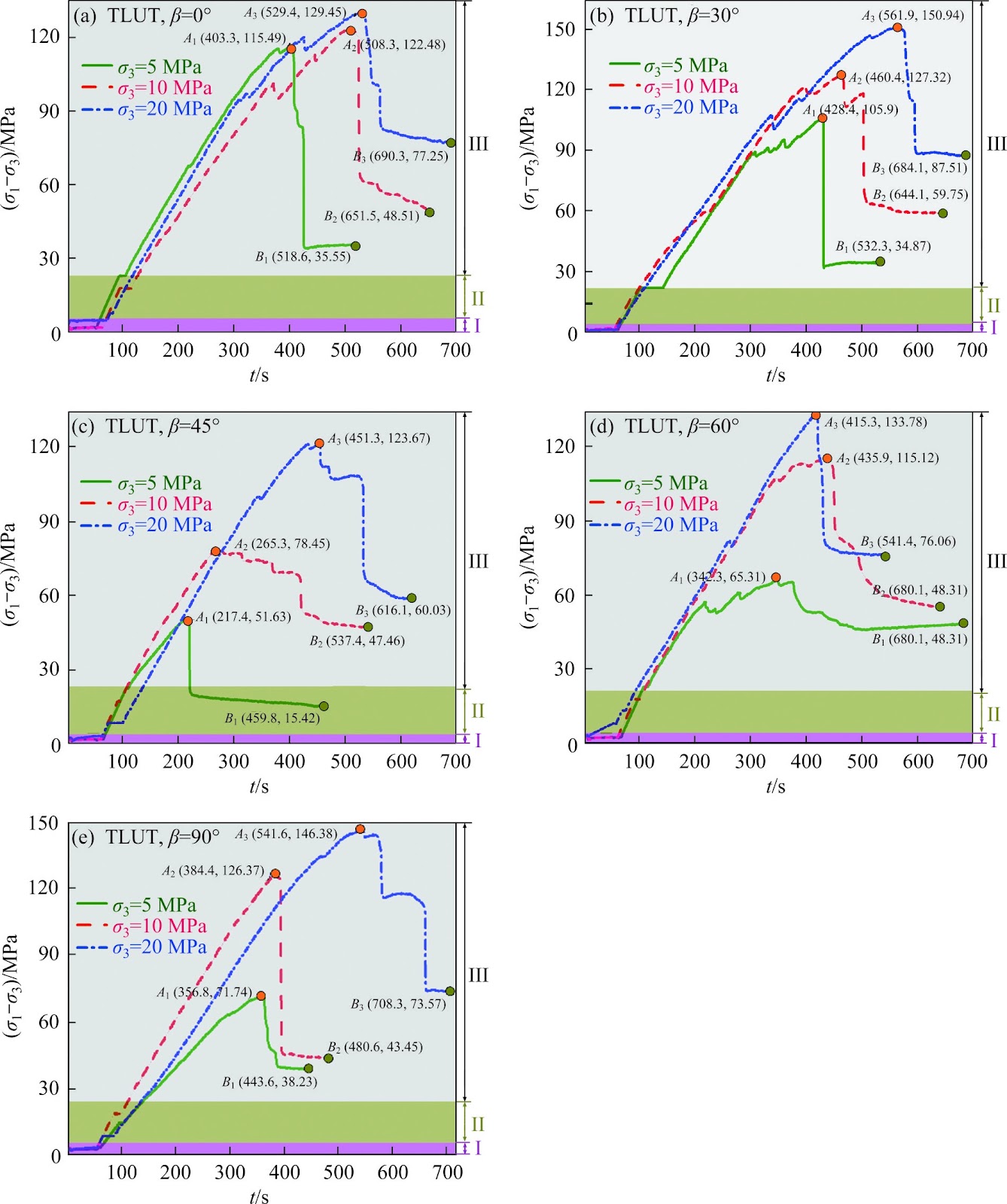
Rock residual strength, as an important input parameter, plays an indispensable role in proposing the reasonable and scientific scheme about stope design, underground tunnel excavation and stability evaluation of deep chambers. Therefore, previous residual strength models of rocks established were reviewed. And corresponding related problems were stated. Subsequently, starting from the effects of bedding and whole life-cycle evolution process, series of triaxial mechanical tests of deep bedded s
Federated model with contrastive learning and adaptive control variates for human activity recognition
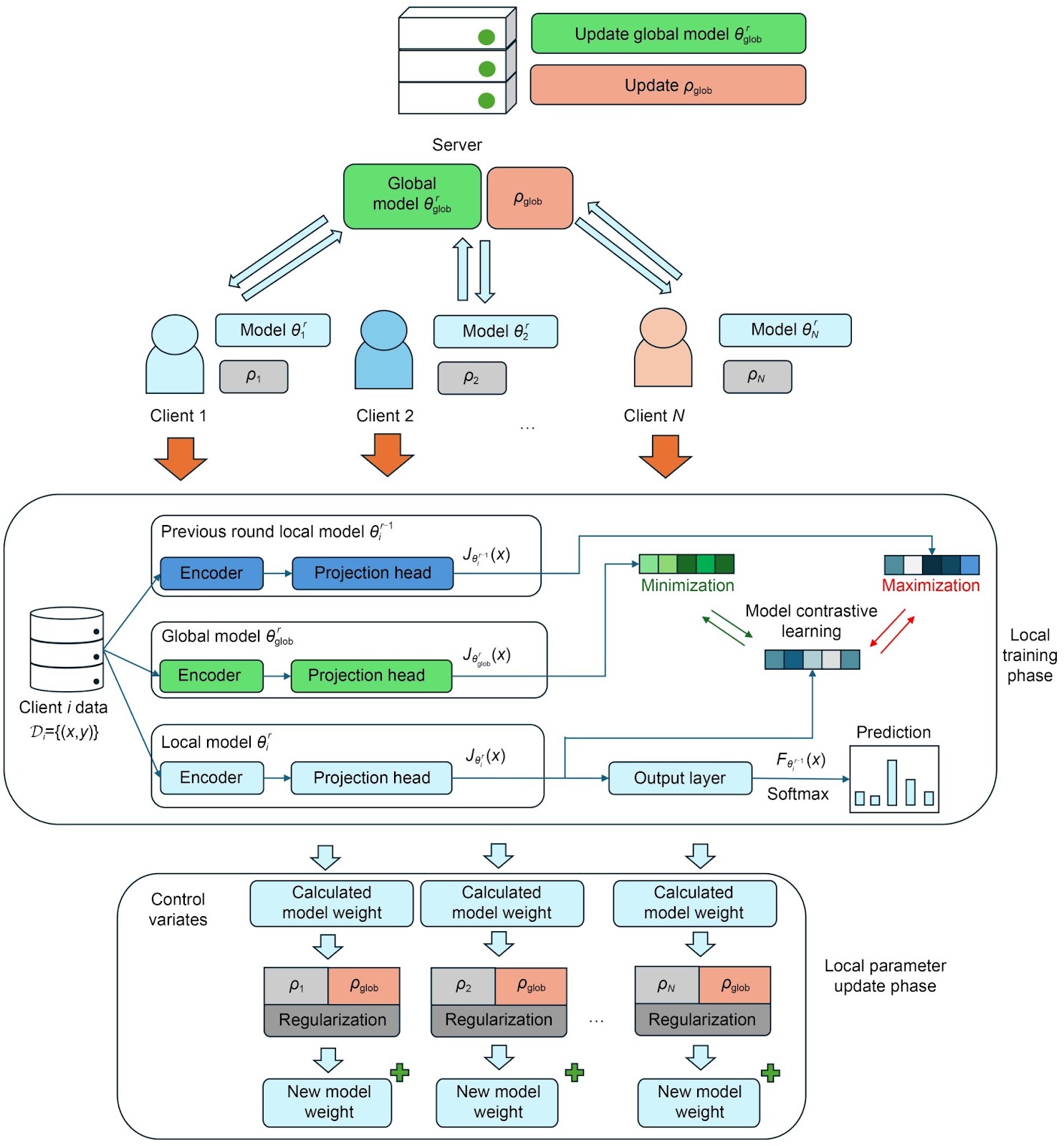
Recent attention to privacy issues demands a communication-safe method for training human activity recognition (HAR) models on client activity data. Federated learning (FL) has become a compelling technique to facilitate model training between the server and clients while preserving data privacy. However, classical FL methods often assume independent and identically distributed (IID) data among clients. This assumption does not hold true in practical scenarios. Human activity in real-world scena