Key Takeaways & Executive Findings
- •• Air blowing in the transition region (Scheme 1) at 0.1U achieves optimal noise reduction of 1.53 dB(A) by suppressing wake vortices. • Air blowing in the side edge area (Scheme 2) is effective across a wide speed range (0.1U–0.5U) for noise mitigation. • Air sucking is less effective than blowing, with noise reduction values below 0.84 dB(A). • Simultaneous reductions in aerodynamic noise and drag are possible with specific blowing/sucking configurations, offering design insights for low-noise and low-resistance HSMTs.
Abstract
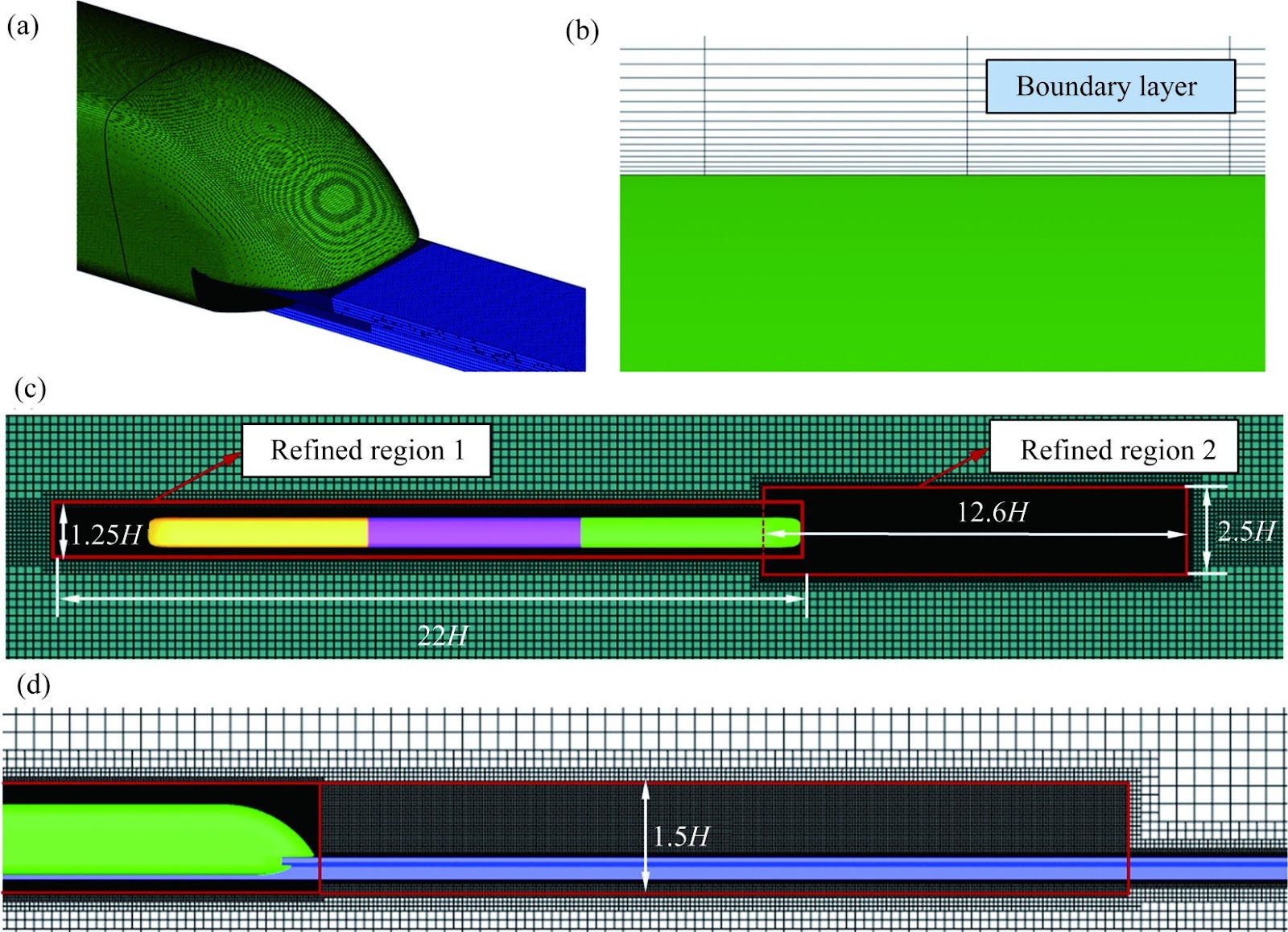
The increasing aerodynamic noise caused by high-speed maglev trains (HSMTs) contributes substantially to environmental pollution and passenger discomfort. Numerical studies were performed to examine the effect of air blowing/sucking modes, positions and velocities on the flow field change and their potentials in mitigating the aerodynamic noise produced by HSMTs. The results indicate that the aerodynamic noise can be effectively mitigated by implementing air-blowing in the transition region between the streamlined tail nose and constant cross-sectional body (Scheme 1) and the wake vortex shedding area near the tail nose (Scheme 3) at speeds below 0.3U (train speed), as well as in the side edge area (Scheme 2) at various speeds (0.1U−0.5U), primarily due to the suppression in wake vortices. The optimal noise reduction value of 1.53 dB(A) is achieved when blowing in Scheme 1 at a speed of 0.1U, while the efficacy of the air-sucking mode is inferior with a smaller noise reduction value less than 0.84 dB(A). Additionally, simultaneous reductions in aerodynamic noise and drag can be achieved when sucking in Scheme 2 at speeds below 0.2U and blowing in Scheme 3 at speeds below 0.3U. These findings offer valuable insights for the application of active flow control technology in the design of low-resistance and low-noise HSMTs.
1. Introduction
The maglev train, a contemporary high-tech innovation, possesses enhanced speed capability due to its elimination of the wheel-rail adhesion constraint, making it a significant focus for future developments in rail transportation [1]. Previous studies indicated that high-speed operation in complex environment leads to a series of aerodynamic issues to rail transit vehicles [2−5]. As the speed of high-speed maglev trains (HSMTs) continues to increase, aerodynamic noise becomes predominant and increases significantly, demonstrating a proportional relationship to the 6th−8th power of the train speed. Excessive noise pollution diminishes passenger comfort and significantly affects the daily lives of nearby residents [6]. The noise level recorded for the TR08 HSMT reached 88 dB(A) at a speed of 350 km/h, greatly exceeding the environmental standard [7]. Consequently, aerodynamic noise has emerged as a significant impediment to the efficient and sustainable advancement of HSMTs. Additionally, the escalation in aerodynamic resistance induced by increasing speed leads to substantial energy consumption, which is also a critical aerodynamic issue that should be taken into account concurrently [8].
Numerous scholars have comprehensively investigated the train’s aerodynamic noise using field testing, model testing, and numerical simulations. KITAGAWA et al [9] and NAGAKURA [10] conducted a series of wind tunnel tests and field tests to identify the source of aerodynamic noise associated with Shinkansen trains. Findings revealed that the lower section of the train significantly contributes to trackside noise. However, the most efficient method to study the aeroacoustic characteristics of trains is through numerical simulations. IGLESIAS et al [11, 12] utilized a prediction model to anticipate the aerodynamic noise of pantographs and bogies, achieving a favorable agreement with the wind tunnel measurements. Similarly, LIANG et al [13] employed a numerical simulation method to estimate the aerodynamic noise in bogie regions. Their findings revealed that the presence of a cavity played a substantial role in the production of aerodynamic noise in this specific region. HE et al [14] also pointed out that the complex bogie components contributed a lot to the train's total aerodynamic noise, and the rear of the bogie cavity was a crucial area for the noise generation. KIM et al [15] conducted an investigation into the flow characteristics and acoustic impact of simplified pantographs and roof cavities using the IDDES turbulence model and the FW-H acoustic analogy. Predictions of the transient flow performance and far-field noise generated by pantographs were also conducted by several researchers [16−20]. ZHANG et al [21] introduced flow-guided structu...
Loading authentic research manuscript (Pages 1–5)...
HUANG Sha, LIN Jin-rong, LI Zhi-wei, TAN Xiao-ming, BIN Xue-li, WANG Chen-ao, LIN Ren-kun (2025). Flow optimization and aerodynamic noise reduction of high-speed maglev trains based on air blowing/sucking. Journal of Central South University. https://doi.org/10.1007/s11771-025-6145-6
Research & Educational Purpose Only:The translations, structured abstracts, analytical annotations, and data reports provided by SinoTechIntel are intended exclusively for academic research, internal corporate R&D, and educational benchmarking. They do not constitute formal engineering, chemical safety, legal, or professional advice.
Copyright & Intellectual Property Notice: Original copyright of the underlying source articles and experimental data remains with the respective authors, institutions, and original publishing journals. SinoTechIntel claims intellectual property only over its proprietary translations, analytical syntheses, and AEO structured enhancements in accordance with international fair use and academic citation principles.
Frequently Asked Questions
What is the optimal air blowing configuration for reducing aerodynamic noise in high-speed maglev trains?
The optimal configuration is air blowing in the transition region between the streamlined tail nose and constant cross-sectional body (Scheme 1) at a speed of 0.1U, achieving a noise reduction of 1.53 dB(A).
How does air sucking compare to air blowing in terms of noise reduction?
Air sucking is less effective than air blowing, with noise reduction values below 0.84 dB(A), whereas blowing can achieve up to 1.53 dB(A) reduction.
Can aerodynamic noise and drag be reduced simultaneously?
Yes, simultaneous reductions can be achieved when sucking in Scheme 2 at speeds below 0.2U and blowing in Scheme 3 at speeds below 0.3U.
What is the primary mechanism behind the noise reduction?
The primary mechanism is the suppression of wake vortices, which are major sources of aerodynamic noise in high-speed maglev trains.
What are the practical implications of this study?
The findings provide valuable insights for applying active flow control technology in the design of low-resistance and low-noise high-speed maglev trains, contributing to environmental sustainability and passenger comfort.
Related Technical Papers & Translations
Direct Repair of the Crystal Structure and Coating Surface of Spent LiFePO4 Materials Enables Superfast Li-Ion Migration
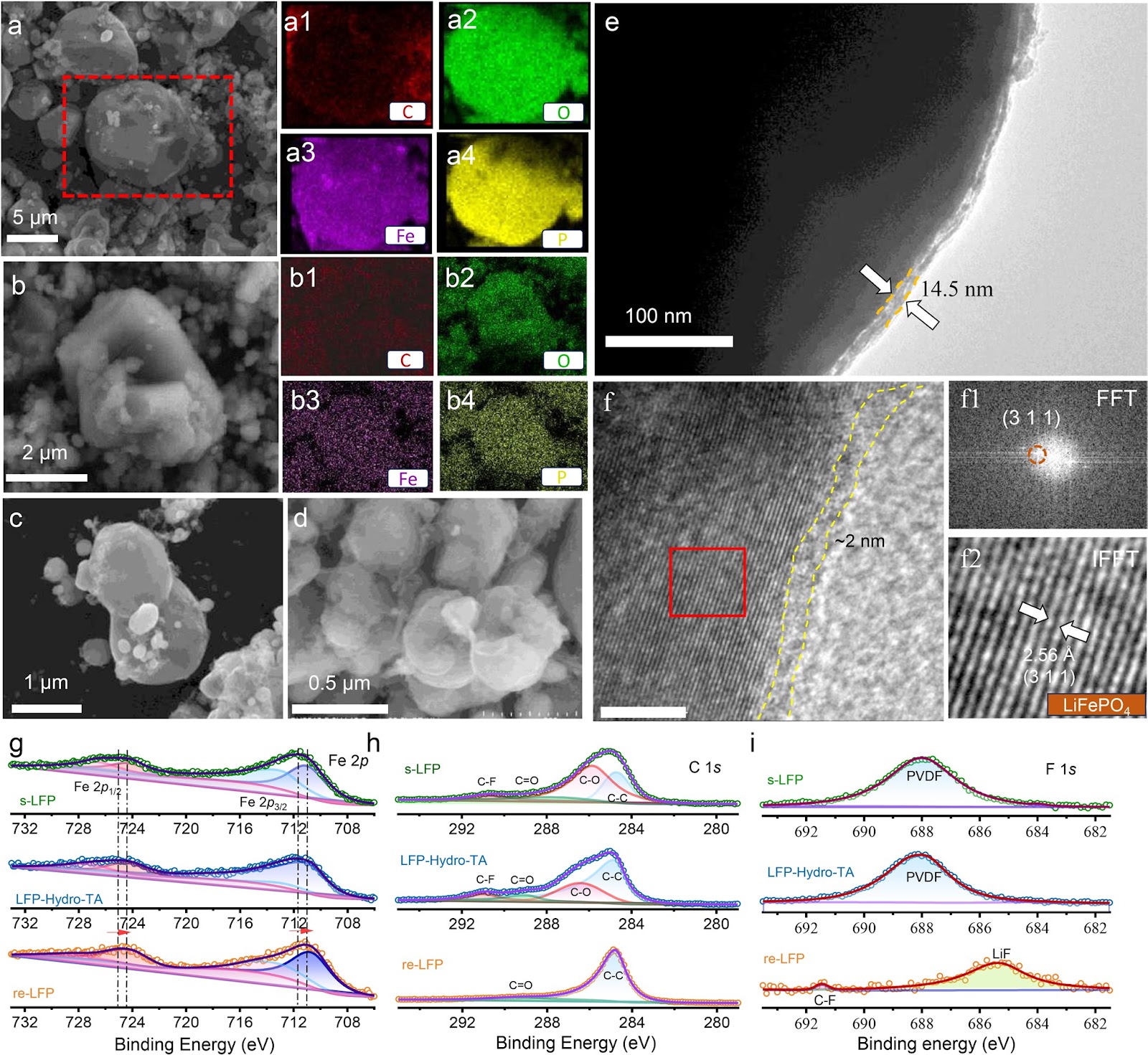
The rapid accumulation of spent LiFePO4 (LFP) cathodes from retired lithium-ion batteries necessitates the development of effective and environmental-friendly recycling strategies. In this context, direct regeneration has emerged as a promising approach for reclaiming LFP cathode materials, offering a streamlined pathway to restore their electrochemical functionality. We report an integrated regeneration protocol that simultaneously repairs the degraded crystal structure and reconstructs the damaged carbon coating in spent LFP. The regenerated cathode material had superfast lithium-ion diffusion kinetics and a stable cathode–electrolyte interface, giving a remarkable rate capability with specific capacities of 122 mAh g−1 at 5C and 106 mAh g−1 at 10C (1C = 170 mA g−1). It also maintained capacities of 110.7 mAh g−1 (5C) and 84.1 mAh g−1 (10C) after 400 cycles. It could be used in harsh environments and could be stably cycled at subzero temperatures (−10 and −20 °C) and in solid-state electrolyte batteries. Life cycle assessment combined with economic evaluation using the EverBatt model reveals that this direct regeneration approach has high economic and environmental benefits.
Oxide Semiconductor for Advanced Memory Architectures: Atomic Layer Deposition, Key Requirement and Challenges
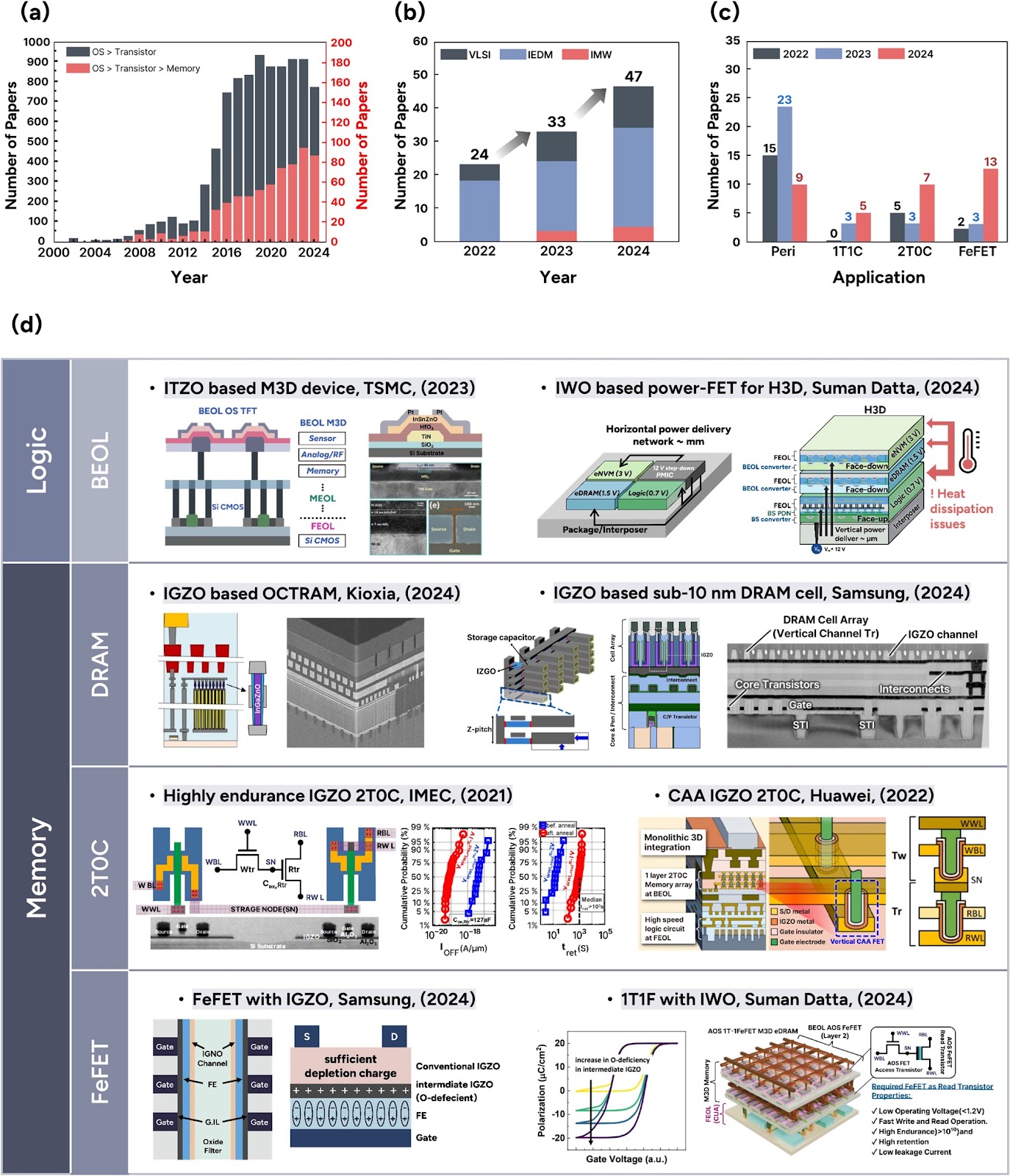
Oxide semiconductors (OSs), introduced by the Hosono group in the early 2000s, have evolved from display backplane materials to promising candidates for advanced memory and logic devices. The exceptionally low leakage current of OSs and compatibility with three-dimensional (3D) architectures have recently sparked renewed interest in their use in semiconductor applications. This review begins by exploring the unique material properties of OSs, which fundamentally originate from their distinct electronic band structure. Subsequently, we focus on atomic layer deposition (ALD), a core technique for growing excellent OS films, covering both basic and advanced processes compatible with 3D scaling. The basic surface reaction mechanisms—adsorption and reaction—and their roles in film growth are introduced. Furthermore, material design strategies, such as cation selection, crystallinity control, anion doping, and heterostructure engineering, are discussed. We also highlight challenges in memory applications, including contact resistance, hydrogen instability, and lack of p-type materials, and discuss the feasibility of ALD-grown OSs as potential solutions. Lastly, we provide an outlook on the role of ALD-grown OSs in memory technologies. This review bridges material fundamentals and device-level requirements, offering a comprehensive perspective on the potential of ALD-driven OSs for next-generation semiconductor memory devices.
Laser powder bed fusion of biodegradable Zn-4Cu alloy: Processing, microstructure and properties
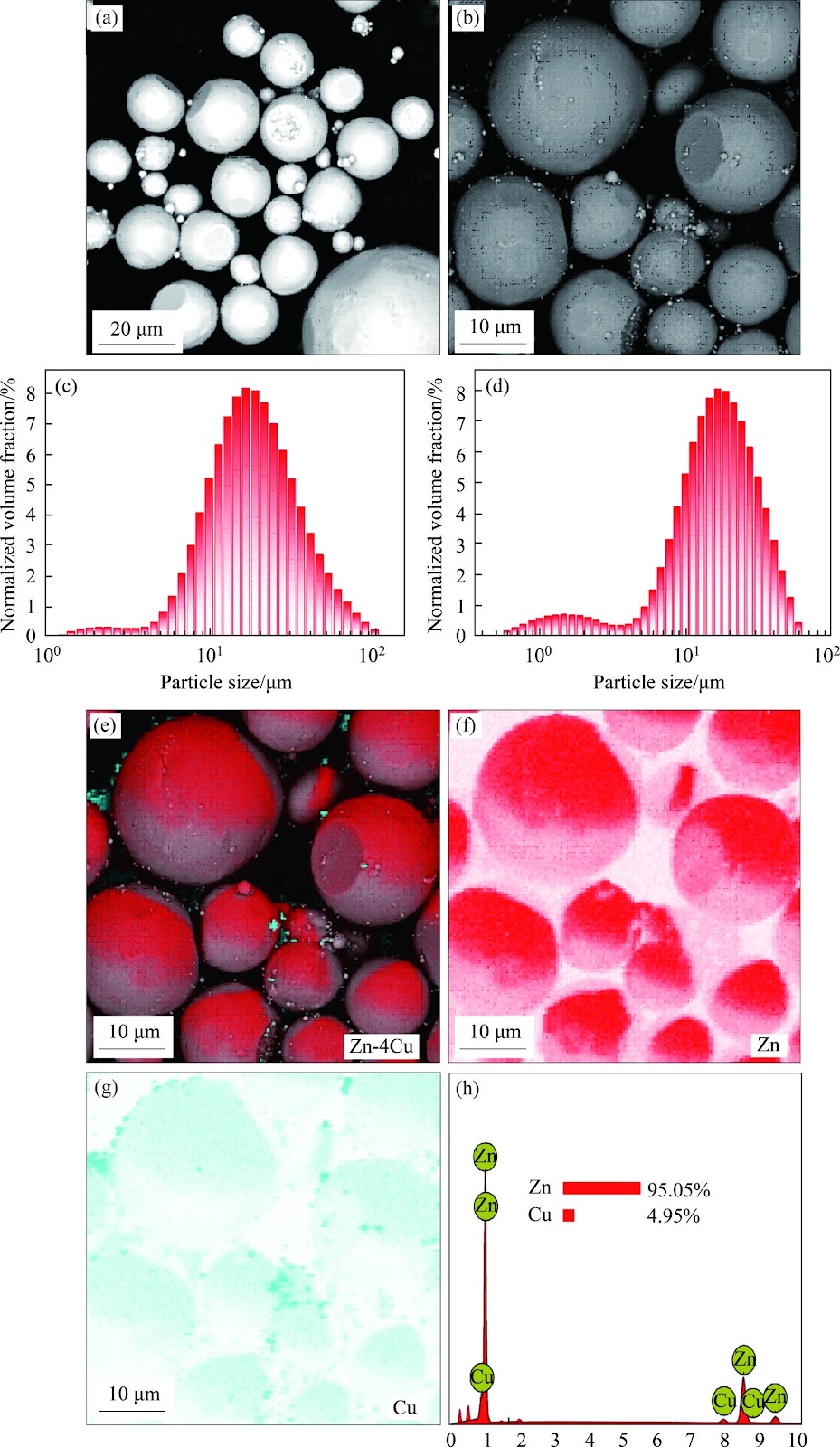
Zn's natural degradability and biocompatibility make it a promising candidate for implants, however, its mechanical properties remain insufficient for bone applications. In this study, the performance of Zn was enhanced by developing Zn-Cu alloys via laser powder bed fusion (LPBF). Optimal LPBF parameters for forming stable tracks were achieved by adjusting laser power and scanning speed. Under optimized conditions of 100 W and 100 mm/s, high-density (99.58%) Zn-Cu alloys with improved hardness (68.2HV) and yield strength (160 MPa) were achieved. These improvements are attributed to solid solution strengthening, segregation strengthening, and grain refinement. The Zn-Cu alloys also demonstrated favorable degradation behavior, with a rate of 0.16 mm/year. This degradation is primarily driven by micro-galvanic corrosion between the CuZn5 phase and Zn matrix, along with refined grains and increased grain boundary density. This work demonstrates a viable strategy for fabricating Zn-based implants with enhanced structural integrity and mechanical performance via LPBF.