Key Takeaways & Executive Findings
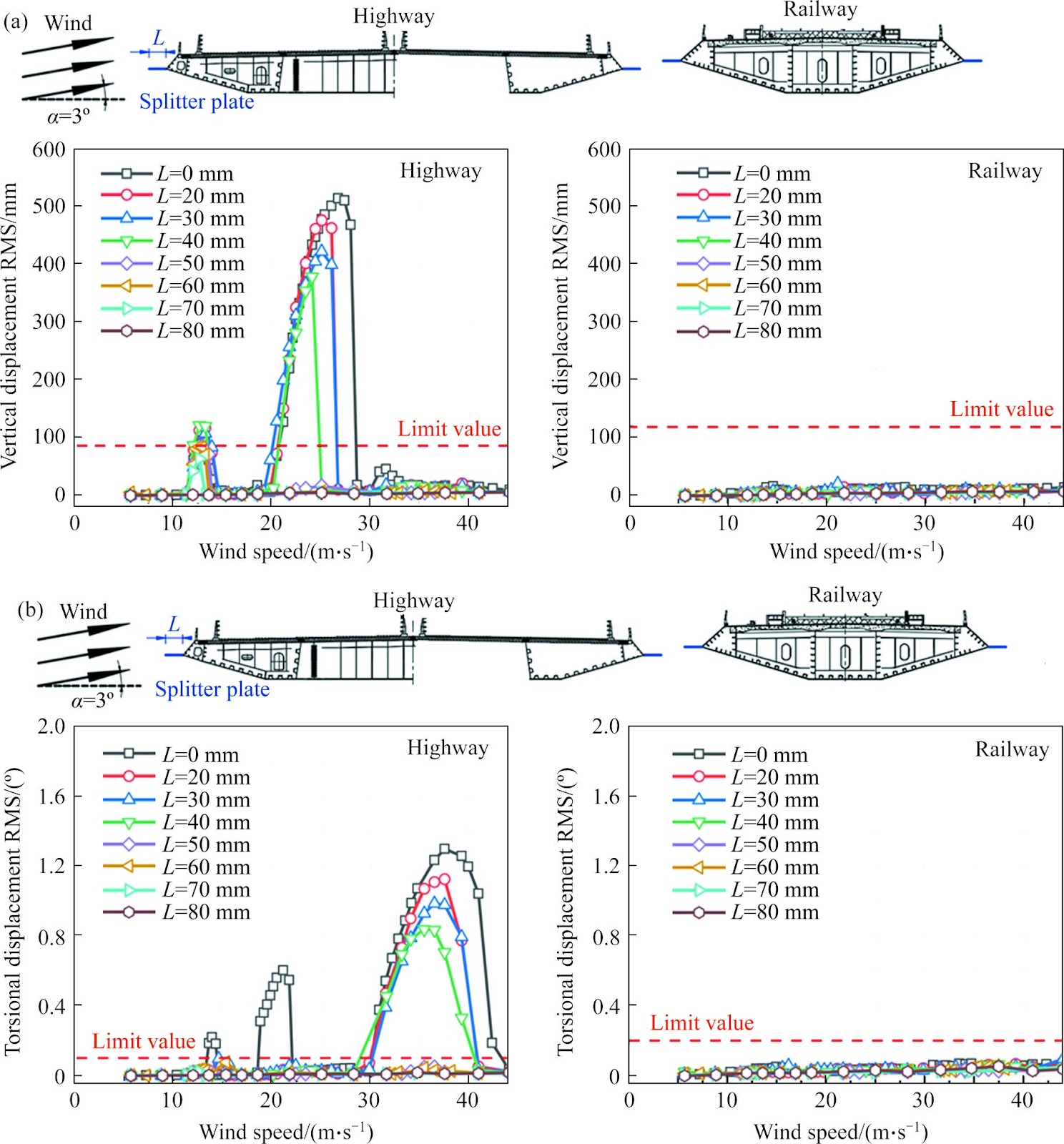
- •• Incoming flow direction significantly influences the VIV response and aerostatic coefficients of twin parallel decks. • Splitter plates suppress vortex generation, shedding, and impingement, reducing fluctuating pressure and effectively mitigating VIV. • The highway deck exhibits both vertical and torsional VIV, while the railway deck only shows vertical VIV when upstream. • Splitter plates compromise static wind stability of the upstream deck but have minimal effect on the downstream deck, warranting optimal width selection.
Abstract
Installing the splitter plates is a passive aerodynamic solution for eliminating vortex-induced vibration (VIV). However, the influences of splitter plates on the VIV and aerostatic performances are more complicated due to aerodynamic interference between highway and railway decks. To study the effects of splitter plates, wind tunnel experiments for measuring VIV and aerostatic forces of twin decks under two opposite flow directions were conducted, while the surrounding flow and wind pressure of static twin decks with and without splitter plates are numerically simulated. The results showed that the incoming flow direction affects the VIV response and aerostatic coefficients. The highway deck has poor vertical and torsional VIV, and the VIV region and amplitude are different under different directions. While the railway deck only has vertical VIV when located upstream. The splitter plates can impede the process of vortex generation, shedding and impinging at the gap between twin deck, and significantly reducing the surface fluctuating pressure coefficient, thus effectively suppressing the VIV of twin decks. While, the splitter plates hurt the upstream deck regarding static wind stability and have little effect on the downstream deck. The splitter plates of appropriate width are recommended to improve VIV performances in twin parallel bridges.
1. Introduction
The long-span twin parallel bridges are a unique type of rail-cum-road bridges that may greatly increase cross-straits’ capacity and enhance transportation [1, 2]. As high-speed train bridges evolve [3, 4], more and more twin parallel bridges are visible to the general public [5]. However, wind-induced response problems such as static wind stability and interactive vortex-induced vibration (VIV) of bridges caused by complex inter-gap aerodynamic disturbance effects also bring new challenges to the development of twin parallel bridges [6 −8]. In recent years, the continuous reports of VIV events make VIV gain the attention of more researchers [9, 10], who have done extensive studies on the manifestation, triggering mechanism, and vibration suppression mechanism of the VIV phenomena of large-span bridges through wind tunnel experiments, field measurements, and numerical simulations [11−22].
However, the static and dynamic wind response of the twin parallel decks, such as VIV and aerodynamic characteristics, is more complex and also worth studying, and some related studies have been explored by researchers [23−26]. It has been found that the spacing ratio, frequency ratio, and aerodynamic vibration suppression measures are the primary determining elements in the aerodynamic disturbance effect, which has a great influence on the static and dynamic wind-induced response of twin parallel decks [27 −31]. Adopting VIV suppression methods during the bridge design phase is crucial for long-span bridges [32, 33].
Aerodynamic countermeasures for passive techniques, which control vortex shedding by changing the form of the aerodynamic shape or adding extra devices to the flow, remain the most extensively employed procedures due to the dependability [34, 35], including the wind fairings, guide vanes for maintenance traces [36], grid plates [37], sealing traffic barriers at regions [18], wind barriers [38, 39], splitter plates [40, 41] and so on.
The splitter plate is one of the effective measures to control the VIV among passive controls [42, 30]. As one of the passive control aerodynamic countermeasures, the splitter plates are often used to suppress VIV of cylinder. This device was first developed by ROSHKO [43], who performed experiments in which a splitter plate was attached to the cylinder base to suppress VIV. Thin splitter plates were widely used in subsequent studies [44]. There are two kinds of installation of splitter plates, such as attached [45] and detached [42].
Loading authentic research manuscript (Pages 1–5)...
HE Xu-hui, YANG Jia-feng, LIU Lu-lu, ZOU Yun-feng, HE Jing (2025). Effects of horizontal splitter plates on the vortex-induced vibration and aerostatic characteristics of twin separated parallel decks for a rail-cum-road bridge. Journal of Central South University. https://doi.org/10.1007/s11771-025-5859-9
Research & Educational Purpose Only:The translations, structured abstracts, analytical annotations, and data reports provided by SinoTechIntel are intended exclusively for academic research, internal corporate R&D, and educational benchmarking. They do not constitute formal engineering, chemical safety, legal, or professional advice.
Copyright & Intellectual Property Notice: Original copyright of the underlying source articles and experimental data remains with the respective authors, institutions, and original publishing journals. SinoTechIntel claims intellectual property only over its proprietary translations, analytical syntheses, and AEO structured enhancements in accordance with international fair use and academic citation principles.
Frequently Asked Questions
What is the purpose of horizontal splitter plates in twin parallel bridges?
Horizontal splitter plates are passive aerodynamic devices used to suppress vortex-induced vibration (VIV) by controlling flow separation and vortex shedding. This study investigates their effects on VIV and aerostatic characteristics of twin separated parallel decks.
How does the incoming flow direction affect the VIV response of twin decks?
The results show that incoming flow direction significantly influences VIV response and aerostatic coefficients. The highway deck exhibits poor vertical and torsional VIV with variation in region and amplitude, while the railway deck only experiences vertical VIV when located upstream.
What was the methodology used to study the effects of splitter plates?
The study employed wind tunnel experiments to measure VIV and aerostatic forces under two opposite flow directions, combined with numerical simulations of surrounding flow and wind pressure on static twin decks both with and without splitter plates.
Do splitter plates affect the aerostatic stability of the decks?
Yes, splitter plates were found to compromise the static wind stability of the upstream deck while having little effect on the downstream deck. Therefore, appropriate splitter plate width is recommended to balance VIV suppression and aerostatic performance.
What are the key recommendations for bridge design from this research?
The study recommends the use of splitter plates of appropriate width to improve VIV performance in twin parallel bridges, while carefully considering the adverse effects on upstream deck static stability.
Related Technical Papers & Translations
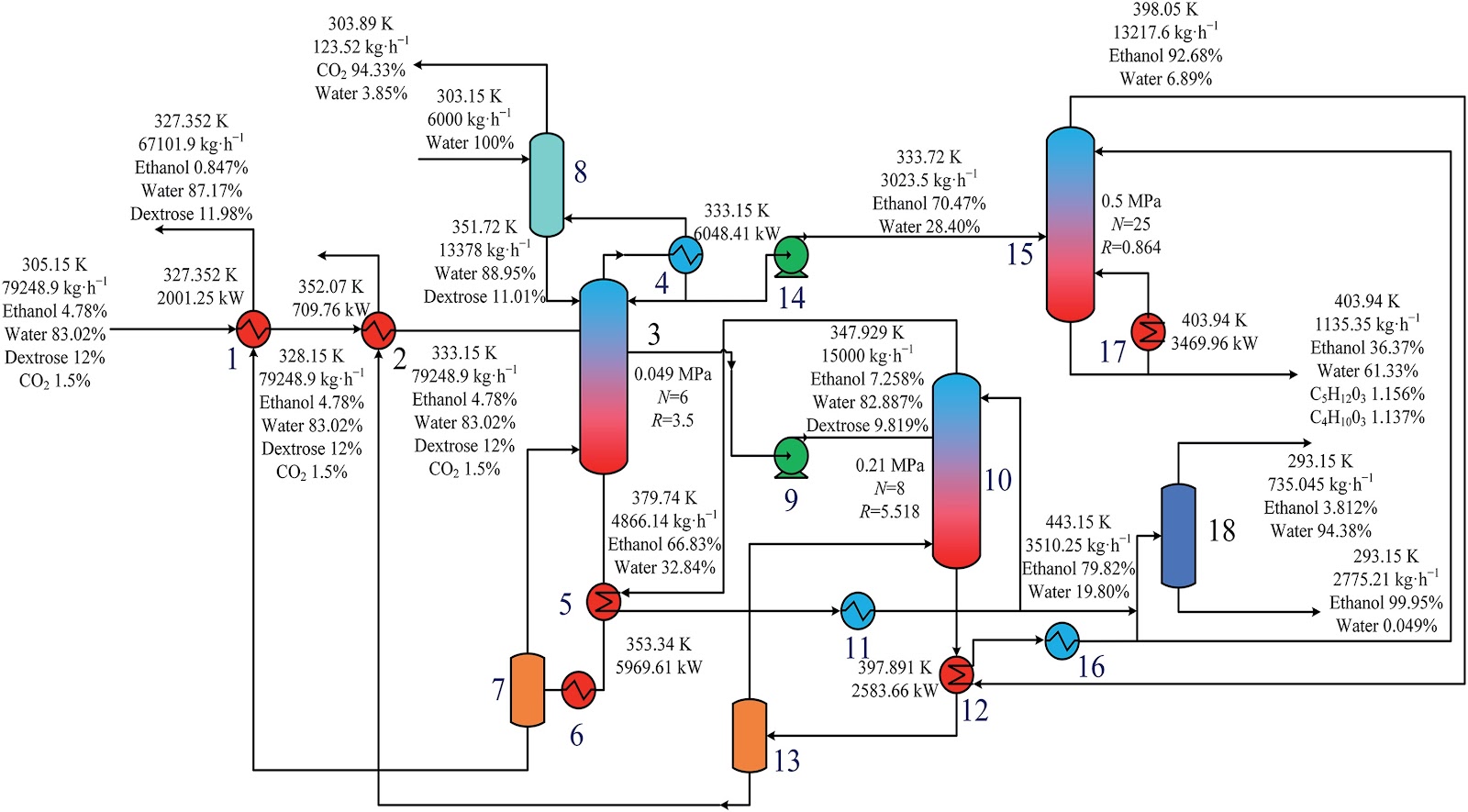
Design and optimization of a high-efficiency distillation process for cellulosic fuel ethanol integrated with thermal coupling and molecular sieve adsorption
To address the challenges of high energy consumption and prominent costs in the traditional three-columns distillation process for cellulosic fuel ethanol, a distillation—molecular sieve coupling separation process is proposed. This process integrates a three-column (crude distillation column, first distillation column, second distillation column) system with a 3A molecular sieve adsorption deep dehydration unit. A thermal coupling network is constructed via differential pressure design (steam from medium/high-pressure columns as mutual heat sources, reboiler liquid waste heat for feed preheating), and molecular sieve adsorption conditions are optimized. The study first performs a thermodynamic consistency test on the ethanol—water system, determines optimal non-random two-liquid (NRTL) model binary interaction parameters via experimental data regression for Aspen Plus simulation. Aiming at minimum total annual cost (TAC), Aspen Plus is used to optimize process parameters (theoretical tray number, feed location, reflux ratio, side-draw position, etc.). Economic analysis shows this process reduces CO2 emission costs by 27.56%, TAC by 15.58% (to 5.123 × 10⁶ USD·a-1), and increases ethanol purity to >99.6%, providing an effective solution for green, efficient separation.
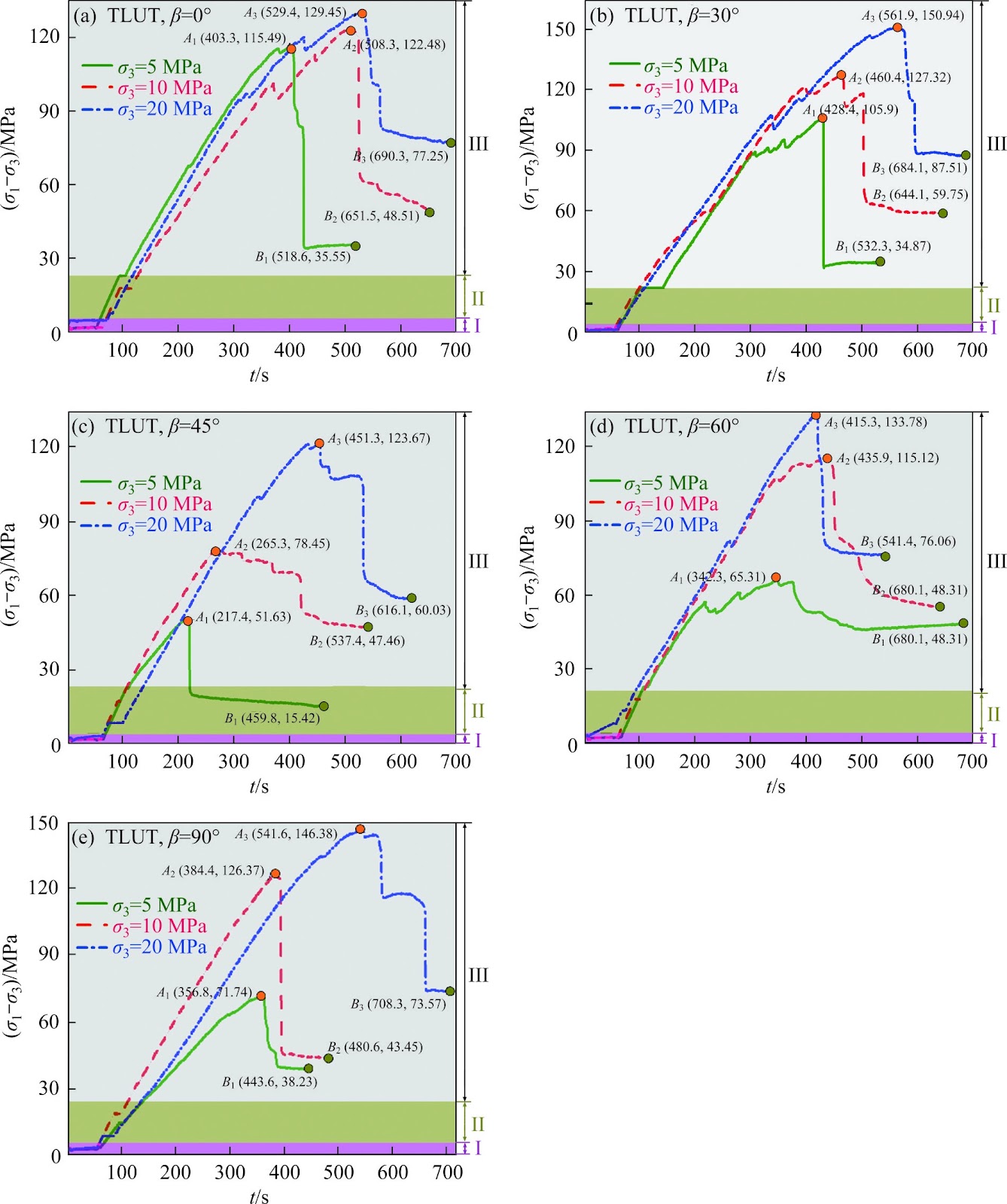
A cohesion loss model for determining residual strength of deep bedded sandstone
Rock residual strength, as an important input parameter, plays an indispensable role in proposing the reasonable and scientific scheme about stope design, underground tunnel excavation and stability evaluation of deep chambers. Therefore, previous residual strength models of rocks established were reviewed. And corresponding related problems were stated. Subsequently, starting from the effects of bedding and whole life-cycle evolution process, series of triaxial mechanical tests of deep bedded s
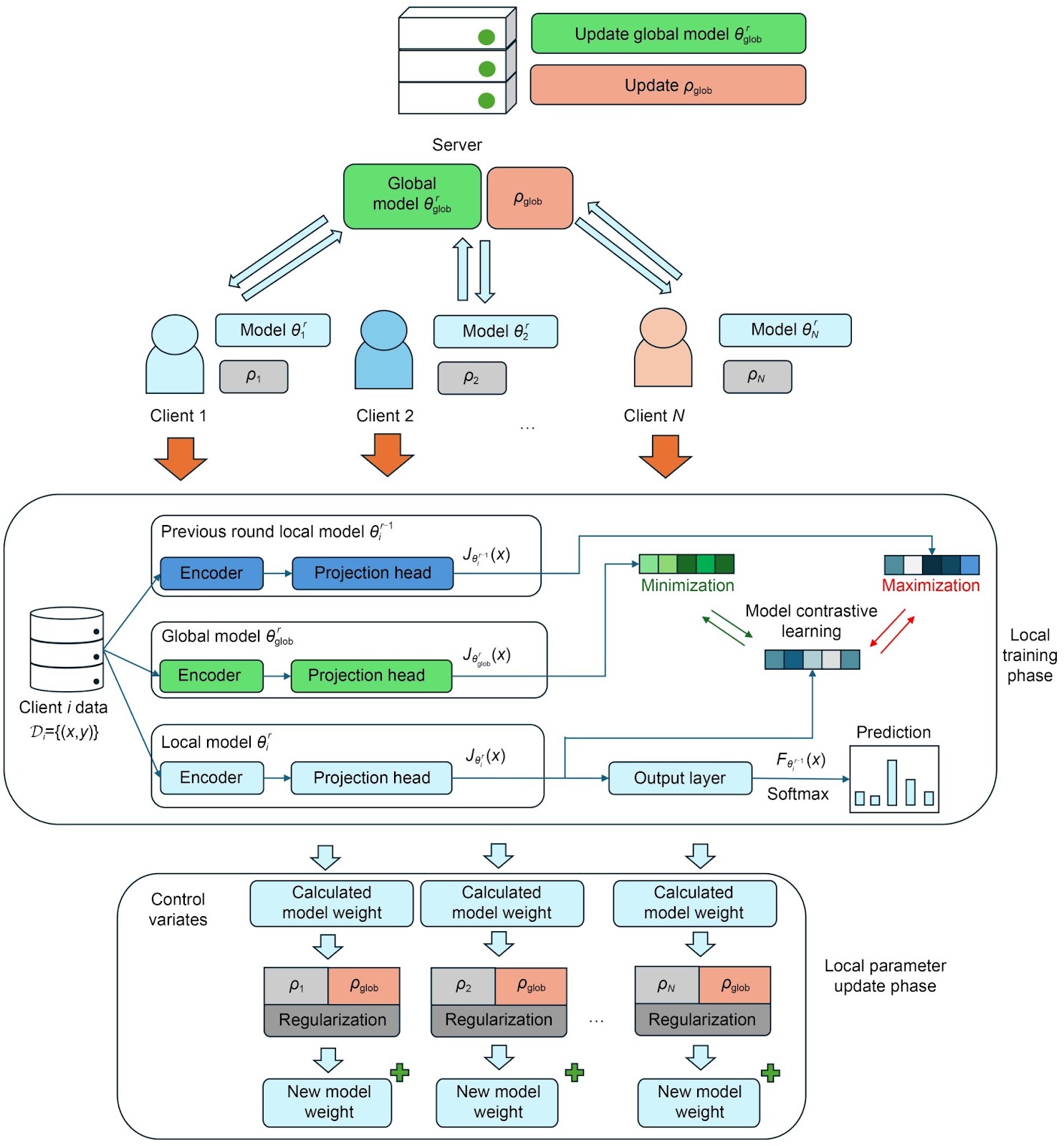
Federated model with contrastive learning and adaptive control variates for human activity recognition
Recent attention to privacy issues demands a communication-safe method for training human activity recognition (HAR) models on client activity data. Federated learning (FL) has become a compelling technique to facilitate model training between the server and clients while preserving data privacy. However, classical FL methods often assume independent and identically distributed (IID) data among clients. This assumption does not hold true in practical scenarios. Human activity in real-world scena