Key Takeaways & Executive Findings
- •• Pulsed current induces an obvious electroplasticity effect in nanocrystalline Ni foils, significantly weakening the size effect for thickness-to-grain-size ratios between 300 and 1100. • The electroplasticity effect is maximized when the current direction is parallel to the deformation direction (0° angle), leading to the greatest size-effect suppression. • Higher peak current densities and smaller current-deformation angles enhance grain boundary activity and dislocation mobility, reducing dislocation entanglement and geometrically necessary dislocation density. • These findings provide a pathway to improve the formability and reduce machining defects of nanocrystalline foils in micro-manufacturing applications.
Abstract
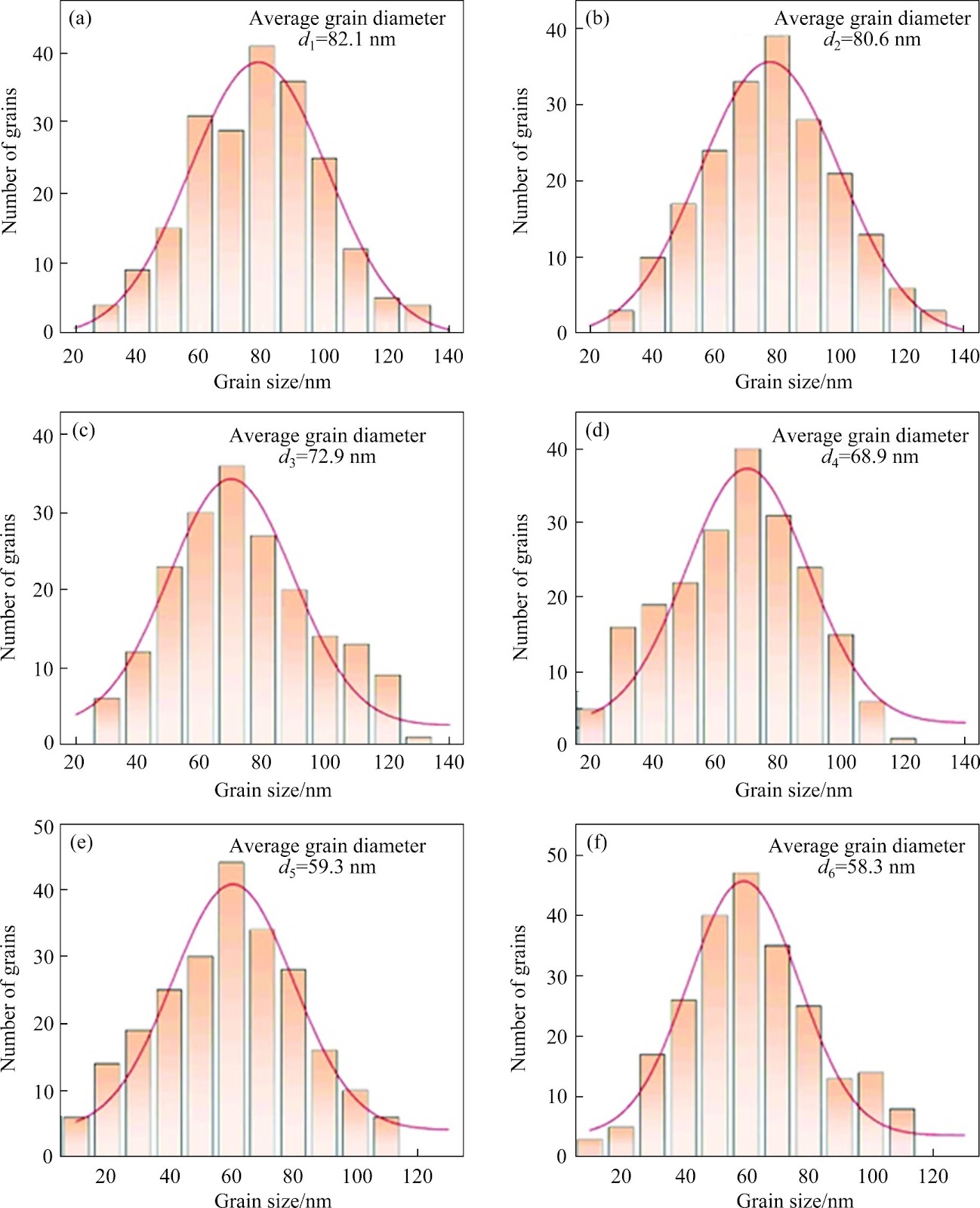
In order to gain a deeper understanding of the effect of pulsed current on the mechanical properties and size effect of nanocrystalline Ni foils, nanocrystalline Ni foils with different grain thickness-to-grain size ratios (λ) were prepared using pulsed electrodeposition in this paper and unidirectional tensile experiments were carried out at room temperature with different currents and their applied directions. The experimental results show that the nanocrystalline Ni foil produces an obvious electroplasticity effect after applying the current field, and when 300< λ <1100, the current weakens the size effect of nanocrystalline Ni foils to a certain extent, and the angle between the current direction and the deformation direction also affects the mechanical response of nanocrystalline Ni foils, and when the angle between the current direction and the deformation direction is 0°, electroplasticity effect is the best, and the current has the most significant effect of abating the size effect of the material. The mechanism of unidirectional tensile deformation of nanocrystalline Ni foils under the effect of pulsed current was analyzed using TEM and TKD. It was found that the applied pulse current increased the activity of the nanocrystalline boundaries, promoted the movement of dislocations, and reduced the tendency of dislocation entanglement. The higher the peak current density and the smaller the angle between the direction of the current and the direction of deformation, the smaller the grain boundary orientation difference, the more dispersed the grain orientation, and the lower the density of geometrically necessary dislocations (GND) in the deformed nanocrystalline foil, the more significant the effect on material plasticity improvement.
1. Introduction
With the rapid development of the electronics industry and precision machinery, the miniaturization of parts has become a major development trend, so the forming and processing of miniature parts is becoming more and more important, especially in the field of micro-manufacturing such as communications, electronics, microsystems technology (MST) and micro-electro-mechanical systems (MEMS) [1]. Nanocrystalline metal foils are widely used in micro-manufacturing due to their unique mechanical properties. Due to the miniaturization of the grain size of nano-metal foils, their mechanical properties are significantly different from those of conventional grain size metallic materials [2, 3]. Despite the high yield strength and tensile strength of nanocrystalline metal foils at room temperature, their high brittleness and size effect make them very susceptible to machining defects such as brittle fracture during the process of machining and deformation, which leads to low microdeformation capacity and poor formability of nanocrystalline metal foils at room temperature, thus affecting the expected material properties and manufacturing accuracy [4, 5]. Therefore, improving the processing defects of nanometallic materials, reducing and controlling the size effect on the microforming of nanocrystalline foils have become the research focus of a large number of research scholars in recent years.
A pulsed electric field, i.e., pulsed electric-assisted (EA) microforming, is applied during the material microforming process. The technology has shown general advantages in enhancing the microplastic forming ability and improving the formability of nano-metal foils. In addition, the electric current increases the plasticity and decreases the deformation resistance of metallic materials, which is known as the electroplasticity effect [6–8]. The combined effect of electroplasticity and dimensional effects in EA forming of metallic materials has attracted the attention of some scholars. SIOPIS et al [9] investigated the dimensional effects of EA compression annealing of pure copper, and the experimental results showed that the effect of current-induced reduction of the flow stress of the specimen diminishes with the increase of the grain size of the specimen. LIU et al [10] conducted EA uniaxial tensile experiments on nickel-based high-temperature alloy plates with different grain sizes of the same thickness.
Loading authentic research manuscript (Pages 1–5)...
WANG Yi-yan, LI Chao, CHEN Zi-shuai, DU Jin-yang, LI Feng (2025). Effect of pulse current and its application direction on the size effect of nanocrystalline nickel foil. Journal of Central South University. https://doi.org/10.1007/s11771-025-6014-3
Research & Educational Purpose Only:The translations, structured abstracts, analytical annotations, and data reports provided by SinoTechIntel are intended exclusively for academic research, internal corporate R&D, and educational benchmarking. They do not constitute formal engineering, chemical safety, legal, or professional advice.
Copyright & Intellectual Property Notice: Original copyright of the underlying source articles and experimental data remains with the respective authors, institutions, and original publishing journals. SinoTechIntel claims intellectual property only over its proprietary translations, analytical syntheses, and AEO structured enhancements in accordance with international fair use and academic citation principles.
Frequently Asked Questions
What is the electroplasticity effect?
The electroplasticity effect refers to the phenomenon where an applied electric current increases the plasticity and decreases the deformation resistance of metallic materials during deformation.
How does the direction of pulsed current affect the mechanical response of nanocrystalline Ni foils?
The angle between the current direction and the deformation direction influences the electroplasticity effect; a 0° angle (parallel) yields the best plasticity enhancement and most significant size-effect suppression.
What mechanisms underlie the current-induced size effect reduction?
Pulsed current increases grain boundary activity and promotes dislocation movement while reducing dislocation entanglement, leading to lower geometrically necessary dislocation density and more dispersed grain orientations.
What are the practical implications of this research?
The findings can guide electric-assisted microforming processes to improve the formability and reduce defects in nanocrystalline metal foils used in MEMS and other micro-manufacturing applications.
Related Technical Papers & Translations
Design and optimization of a high-efficiency distillation process for cellulosic fuel ethanol integrated with thermal coupling and molecular sieve adsorption
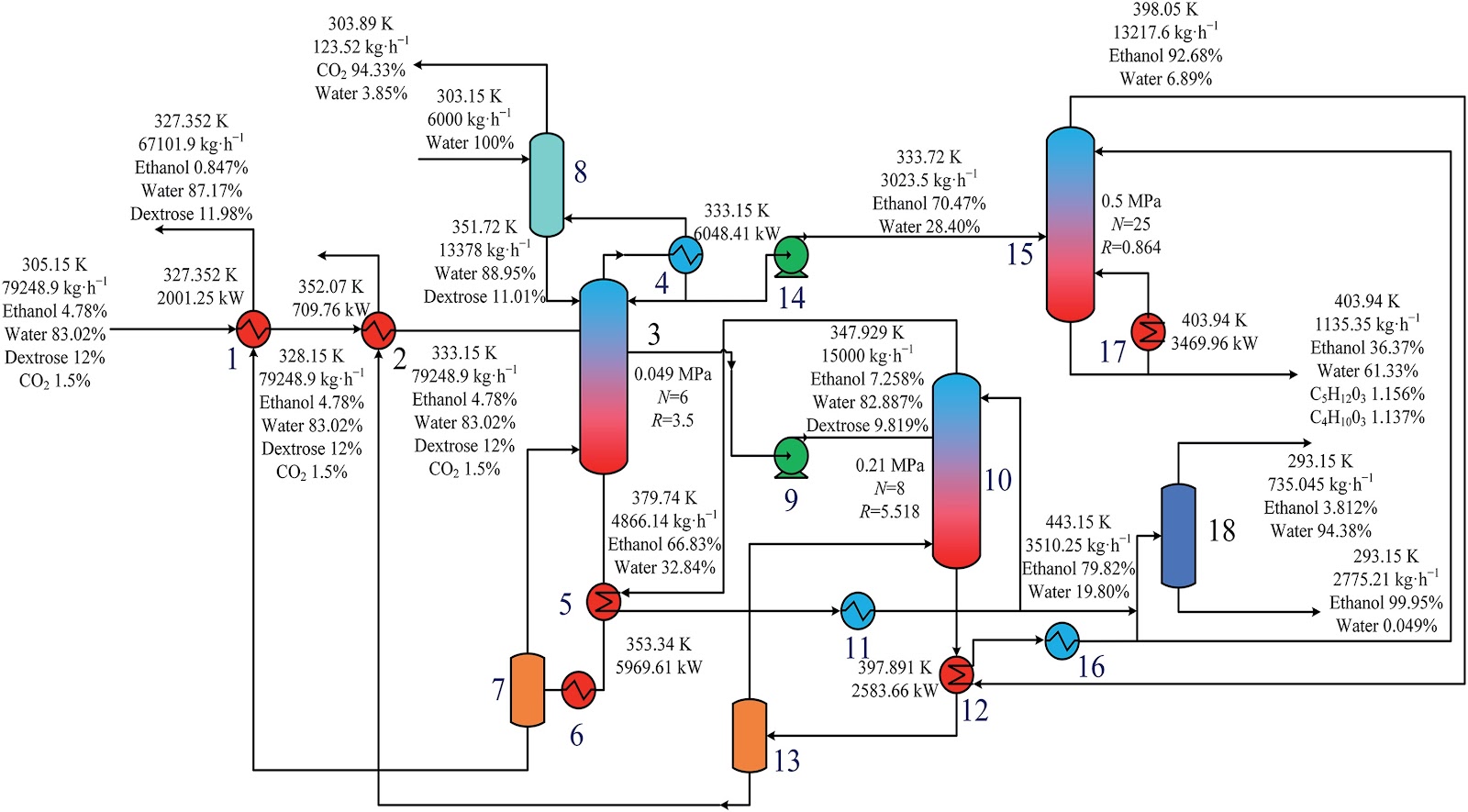
To address the challenges of high energy consumption and prominent costs in the traditional three-columns distillation process for cellulosic fuel ethanol, a distillation—molecular sieve coupling separation process is proposed. This process integrates a three-column (crude distillation column, first distillation column, second distillation column) system with a 3A molecular sieve adsorption deep dehydration unit. A thermal coupling network is constructed via differential pressure design (steam from medium/high-pressure columns as mutual heat sources, reboiler liquid waste heat for feed preheating), and molecular sieve adsorption conditions are optimized. The study first performs a thermodynamic consistency test on the ethanol—water system, determines optimal non-random two-liquid (NRTL) model binary interaction parameters via experimental data regression for Aspen Plus simulation. Aiming at minimum total annual cost (TAC), Aspen Plus is used to optimize process parameters (theoretical tray number, feed location, reflux ratio, side-draw position, etc.). Economic analysis shows this process reduces CO2 emission costs by 27.56%, TAC by 15.58% (to 5.123 × 10⁶ USD·a-1), and increases ethanol purity to >99.6%, providing an effective solution for green, efficient separation.
A cohesion loss model for determining residual strength of deep bedded sandstone
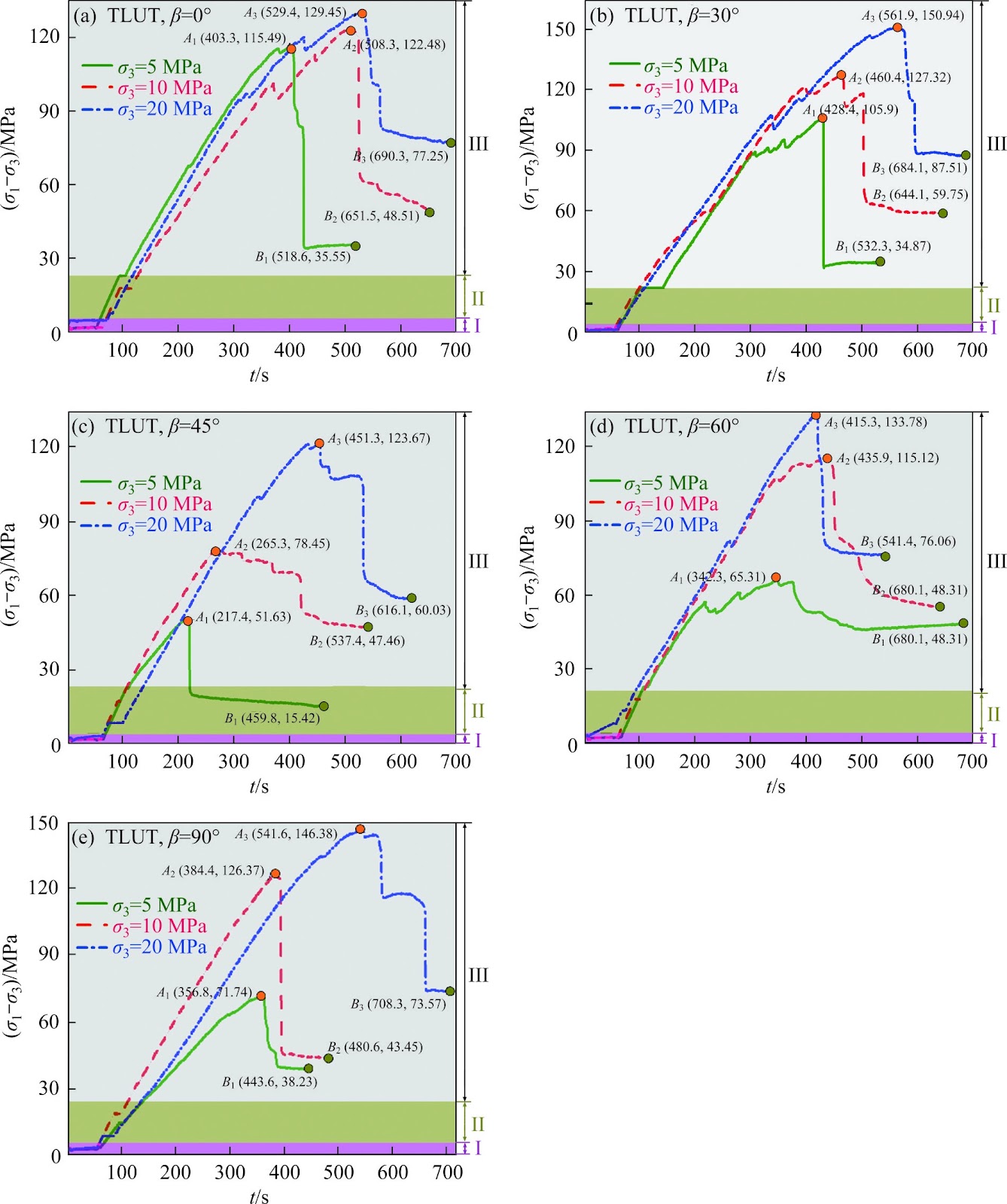
Rock residual strength, as an important input parameter, plays an indispensable role in proposing the reasonable and scientific scheme about stope design, underground tunnel excavation and stability evaluation of deep chambers. Therefore, previous residual strength models of rocks established were reviewed. And corresponding related problems were stated. Subsequently, starting from the effects of bedding and whole life-cycle evolution process, series of triaxial mechanical tests of deep bedded s
Federated model with contrastive learning and adaptive control variates for human activity recognition
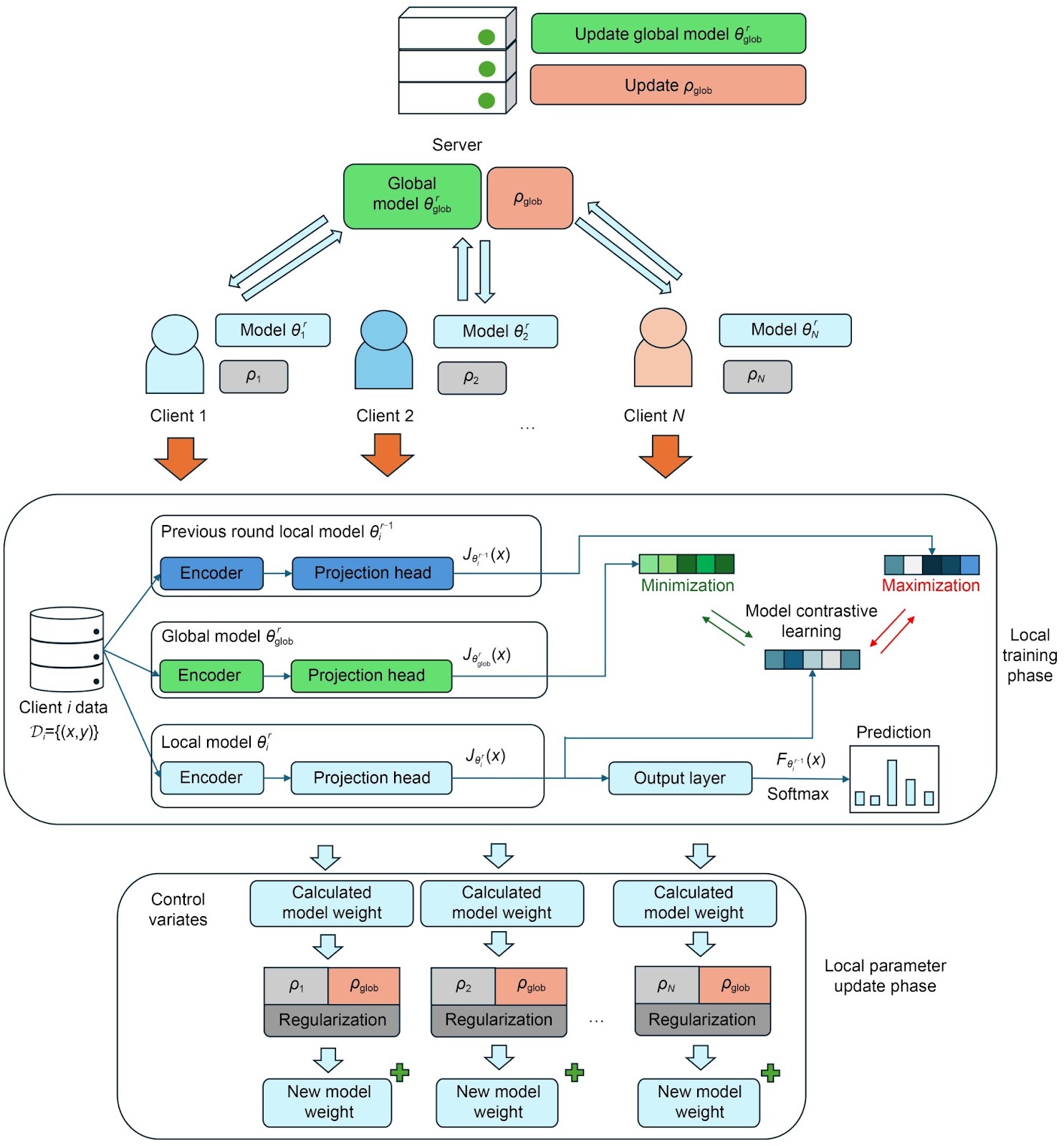
Recent attention to privacy issues demands a communication-safe method for training human activity recognition (HAR) models on client activity data. Federated learning (FL) has become a compelling technique to facilitate model training between the server and clients while preserving data privacy. However, classical FL methods often assume independent and identically distributed (IID) data among clients. This assumption does not hold true in practical scenarios. Human activity in real-world scena