Key Takeaways & Executive Findings
- •• NH2-PDMS-modified melamine sponges exhibit high hydrophobicity and exceptional oil absorption capacity, ranging from 46 to 155 times their own mass. • The modified sponges achieve oil-water separation efficiencies exceeding 98.2%, demonstrating outstanding performance for oily wastewater treatment. • The material retains its separation efficiency without obvious degradation after 10 cycles, indicating robust reusability and stability. • The molecular mass of PDMS on the sponge surface significantly tunes material properties, offering a strategy to optimize oil-water separation performance.
Abstract
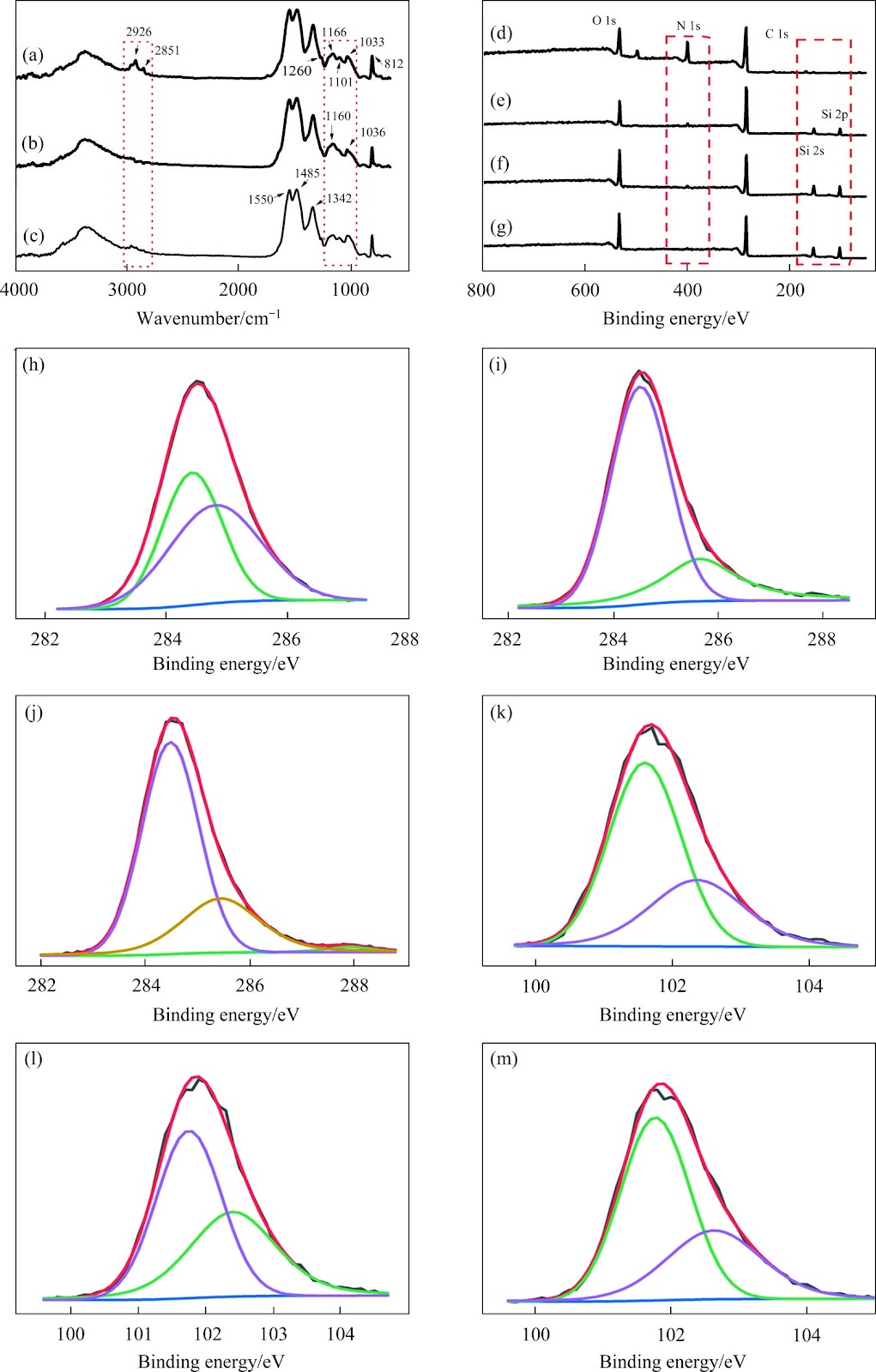
Polydimethylsiloxane (PDMS) is considered a low surface energy material widely used in (super)hydrophobic modification. In this paper, the high hydrophobic melamine sponges (MS) were modified with commercial aminopropyl functionalized polydimethylsiloxane (NH2-PDMS) with different molecular mass. The chemical composition, surface morphology, and wettability of the NH2-PDMS-modified MS were investigated by X-ray photoelectron spectroscopy (XPS), attenuated total reflection Fourier transform infrared spectroscopy (ATR-FTIR) and contact angle test. Owing to the porous structure and high hydrophobicity, NH2-PDMS-modified MS possesses remarkable absorption capacity (ranging from 46 to 155 times their own mass). Simultaneously, it can effectively separate oil-water mixtures with high separation efficiencies exceeding 98.2%. NH2-PDMS-modified MS has no obvious change after 10 cycles of oil-water separation. The results demonstrate PDMS molecular mass on surface can revise material properties and achieve high separation efficiencies in oil-water separation.
1. Introduction
Increased oil-solvent spillage and discharges have resulted in serious environmental pollution and ecological problems in past few decades. Therefore, it is an urgent need to develop an economical and straightforward technology for cleanup and recovery of oil/solvent from oily wastewater. Update, many techniques or methods, such as absorption, chemical treatment, and gravity separation, have been widely used in dealing with oily wastewater (such as immiscible oil-water mixtures and emulsions) [1−7]. Among the various methods for oily wastewater treatment, porous materials have emerged as the most promising due to their simplicity, effectiveness, low cost, and absence of secondary pollution. These materials can quickly remove and recycle oil/solvents from oil-water mixtures [8, 9]. In absorption process, the selection of absorbent materials is important, and these materials are used in different forms. Nowadays, the most used absorbent material forms are sponge [10−12], mesh [13, 14], aerogel [15, 16], fabric [17], and nanofiber [18, 19] for the removal of oils or for the separation of oil-water mixtures.
When compared to two-dimensional porous materials like fabrics, membranes, and meshes [20−24], three-dimensional porous materials (such as sponges) offer superior performance. These sponges with high porosity and extensive surface area can absorb significant quantities of oil/solvent from oily wastewater while effectively repelling water. Meanwhile, their exceptional elasticity further enhances their suitability for managing large-scale oil spills or oily wastewater [25−27]. Consequently, sponges featuring unique surface wettability and substantial pore volume are increasingly gaining recognition in the realm of oily wastewater treatment. In contrast to other materials, sponges, particularly melamine sponges (MS), exhibit dual hydrophilic and lipophilic properties. They have the advantages such as high porosity, excellent mechanical properties, and robust absorption capabilities. Therefore, they are regarded as a perfect foundation for developing materials that separate oil from water.
Loading authentic research manuscript (Pages 1–5)...
BAI Gen, QIAN Liang, MA De-peng, HE Ying-xin, ZHOU Xin, LU Cui-hong, ZHANG Yue-fei, TAN Jing-lin (2025). Commercial polydimethylsiloxane modified melamine sponge for highly efficient oil-water separation. Journal of Central South University. https://doi.org/10.1007/s11771-025-5928-0
Research & Educational Purpose Only:The translations, structured abstracts, analytical annotations, and data reports provided by SinoTechIntel are intended exclusively for academic research, internal corporate R&D, and educational benchmarking. They do not constitute formal engineering, chemical safety, legal, or professional advice.
Copyright & Intellectual Property Notice: Original copyright of the underlying source articles and experimental data remains with the respective authors, institutions, and original publishing journals. SinoTechIntel claims intellectual property only over its proprietary translations, analytical syntheses, and AEO structured enhancements in accordance with international fair use and academic citation principles.
Frequently Asked Questions
What is the main innovation of this study?
The study demonstrates that commercial aminopropyl-functionalized polydimethylsiloxane (NH2-PDMS) can be used to modify melamine sponges, achieving high hydrophobicity and efficient oil-water separation with absorption capacities up to 155 times the sponge's own mass.
How does the molecular mass of PDMS affect the performance?
The research shows that PDMS molecular mass on the sponge surface significantly influences surface properties and separation efficiency, providing a tunable approach to optimize the material for oil-water separation.
What is the oil absorption capacity of the modified sponge?
The NH2-PDMS-modified melamine sponges exhibit remarkable absorption capacity, ranging from 46 to 155 times their own mass, depending on the type of oil or solvent.
Is the modified sponge reusable?
Yes, the NH2-PDMS-modified melamine sponge shows no obvious change in performance after 10 cycles of oil-water separation, indicating excellent reusability and stability.
What separation efficiency does the material achieve?
The material can effectively separate oil-water mixtures with separation efficiencies exceeding 98.2%, making it a promising candidate for oily wastewater treatment.
Related Technical Papers & Translations
Design and optimization of a high-efficiency distillation process for cellulosic fuel ethanol integrated with thermal coupling and molecular sieve adsorption
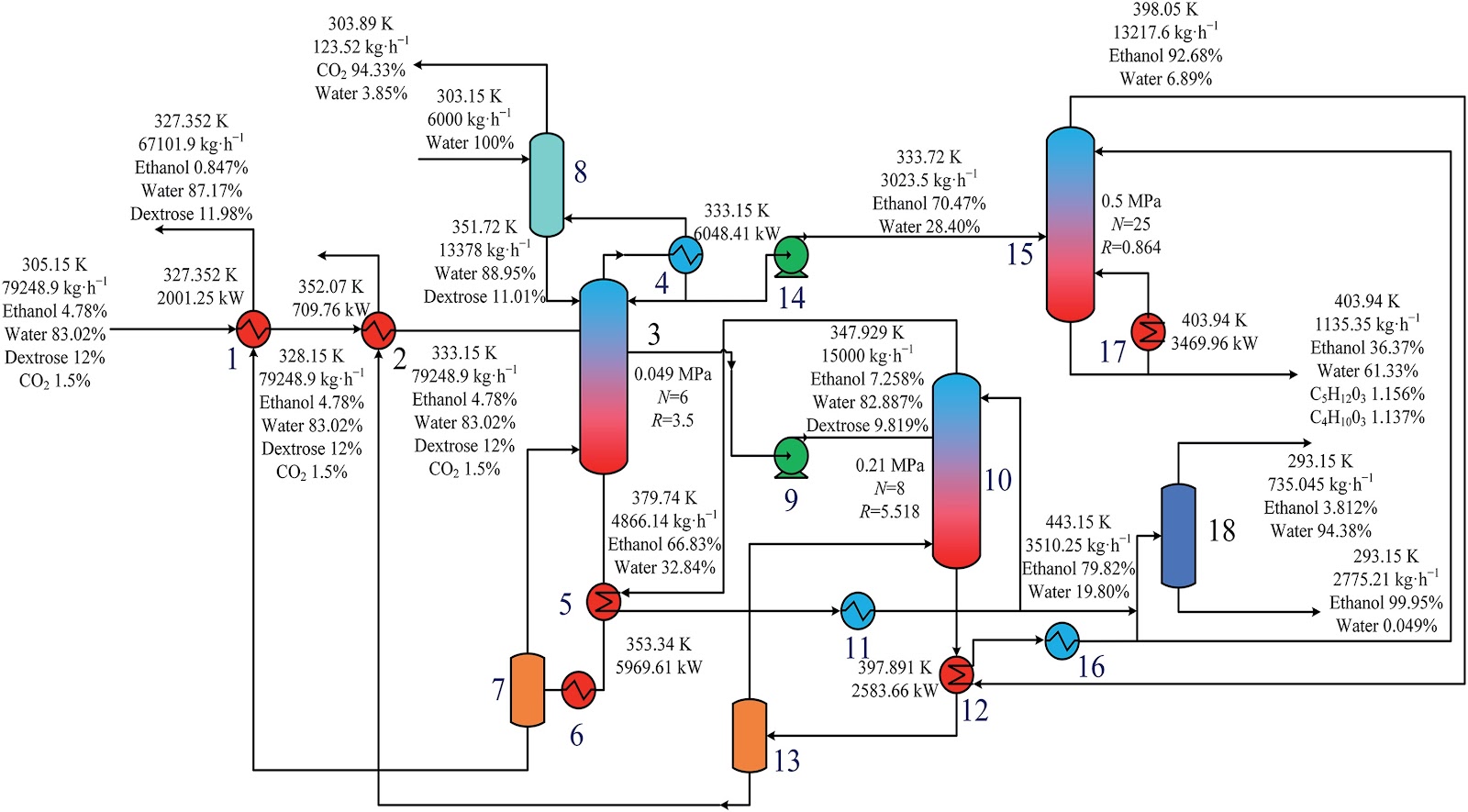
To address the challenges of high energy consumption and prominent costs in the traditional three-columns distillation process for cellulosic fuel ethanol, a distillation—molecular sieve coupling separation process is proposed. This process integrates a three-column (crude distillation column, first distillation column, second distillation column) system with a 3A molecular sieve adsorption deep dehydration unit. A thermal coupling network is constructed via differential pressure design (steam from medium/high-pressure columns as mutual heat sources, reboiler liquid waste heat for feed preheating), and molecular sieve adsorption conditions are optimized. The study first performs a thermodynamic consistency test on the ethanol—water system, determines optimal non-random two-liquid (NRTL) model binary interaction parameters via experimental data regression for Aspen Plus simulation. Aiming at minimum total annual cost (TAC), Aspen Plus is used to optimize process parameters (theoretical tray number, feed location, reflux ratio, side-draw position, etc.). Economic analysis shows this process reduces CO2 emission costs by 27.56%, TAC by 15.58% (to 5.123 × 10⁶ USD·a-1), and increases ethanol purity to >99.6%, providing an effective solution for green, efficient separation.
A cohesion loss model for determining residual strength of deep bedded sandstone
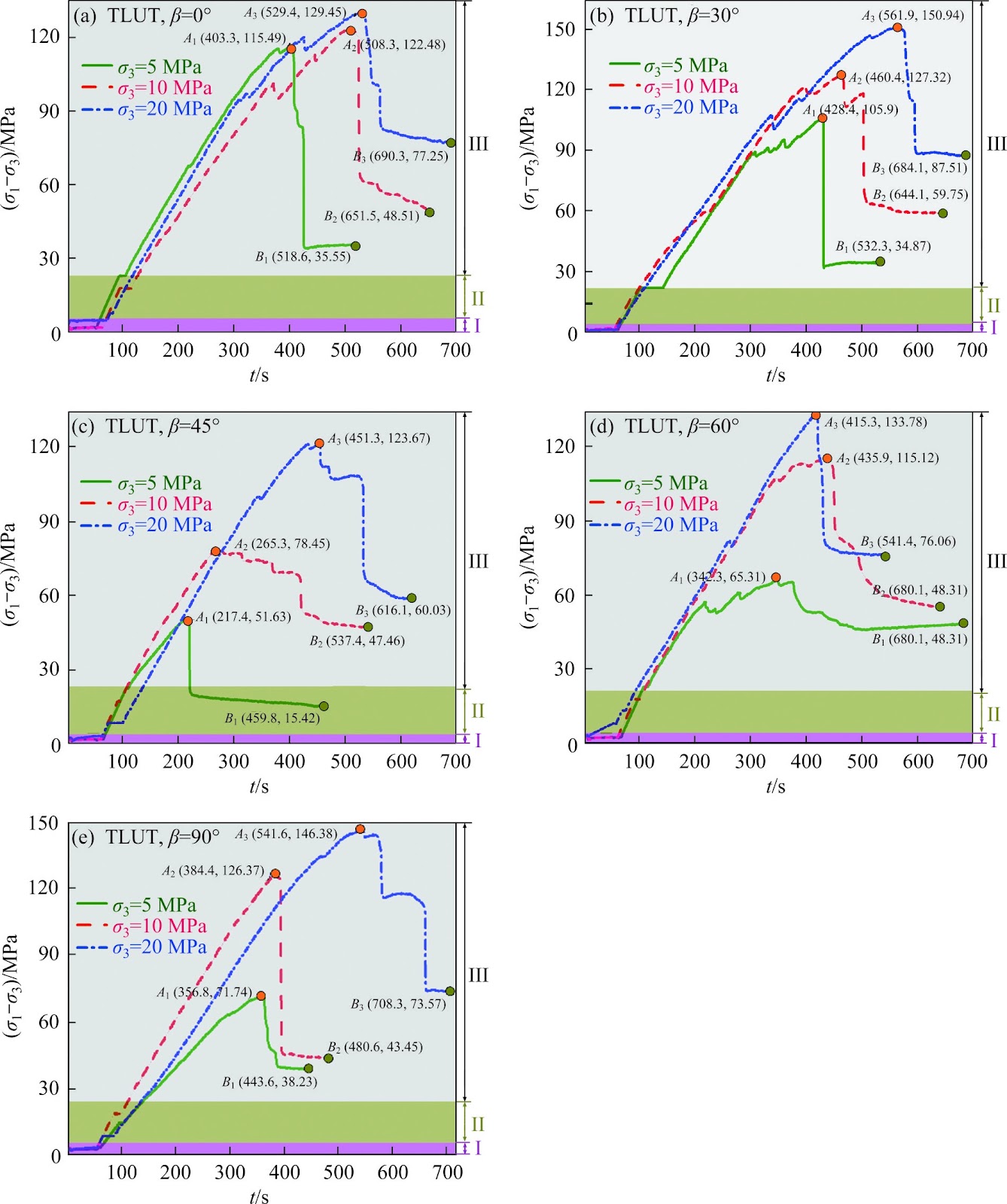
Rock residual strength, as an important input parameter, plays an indispensable role in proposing the reasonable and scientific scheme about stope design, underground tunnel excavation and stability evaluation of deep chambers. Therefore, previous residual strength models of rocks established were reviewed. And corresponding related problems were stated. Subsequently, starting from the effects of bedding and whole life-cycle evolution process, series of triaxial mechanical tests of deep bedded s
Federated model with contrastive learning and adaptive control variates for human activity recognition
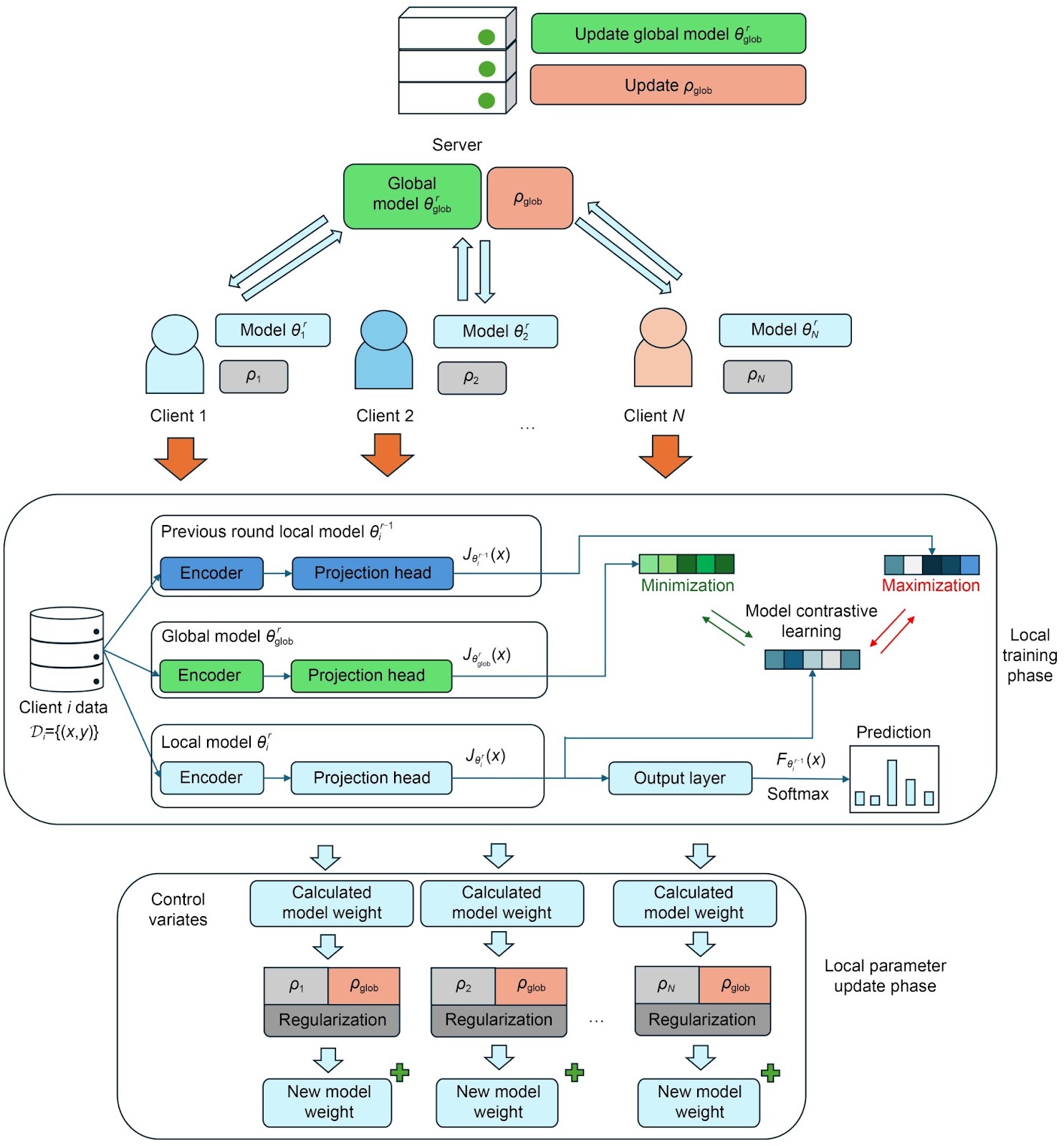
Recent attention to privacy issues demands a communication-safe method for training human activity recognition (HAR) models on client activity data. Federated learning (FL) has become a compelling technique to facilitate model training between the server and clients while preserving data privacy. However, classical FL methods often assume independent and identically distributed (IID) data among clients. This assumption does not hold true in practical scenarios. Human activity in real-world scena