SinoTechIntel Academic Portal
🏛️ Indexed Academic JournalImpact Factor: 3.8

Int. Journal of Mining Science and Technology (采矿与安全工程)

Authoritative peer-reviewed journal in materials science, metallurgy, chemistry and engineering technologies: Int. Journal of Mining Science and Technology (采矿与安全工程)

Total Research Papers: 147
Access: 100% Free Open Access
Browse by Publication Year & VolumeReset All Filters ✕

Published Research PapersFiltered: Year 2026 • Vol. 32

Showing 14 of 147 peer-reviewed papers with full Graphical Abstracts.

Original ResearchVol. 32, Issue 1 • pp. 100-112DOI: 10.1016/j.ijmst.2026.01.004Jan 15, 2026

Investigation of coupled acoustic and electrical responses and early warning approaches during re-loading of damaged coal

Authors: Xiayan Zhang, Enyuan Wang, Rongxi Shen, Huihan Yang, Haishan Jia, Shenglei Zhao, Zhoujie Gu, Zhenhua Hu, Chong Li, Meng Wang

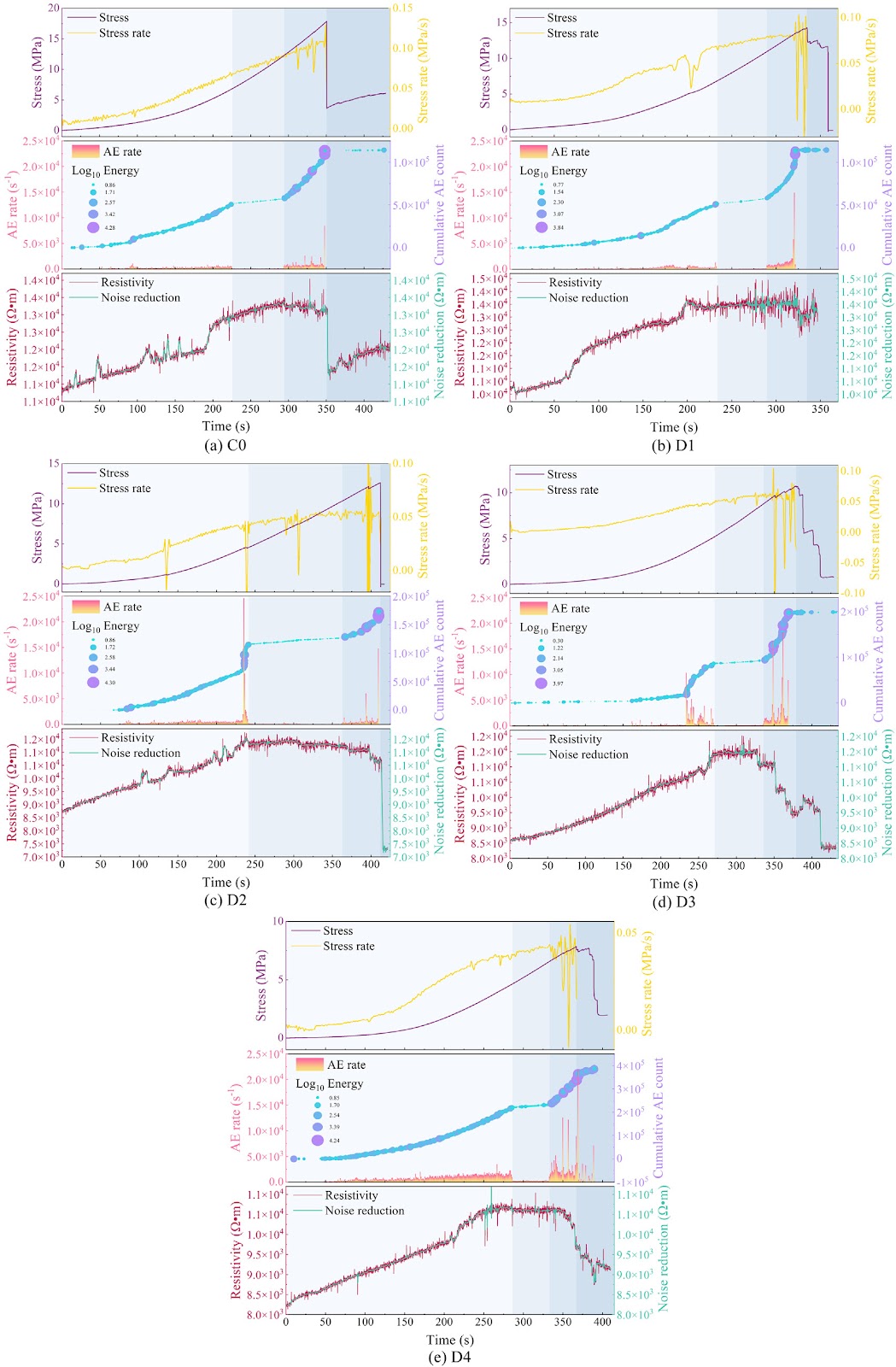
Initial damage from engineering disturbances in deep coal mining degrades mechanical properties and heightens dynamic-hazard risks, challenging conventional monitoring. This study probes the coupled acoustic-electrical responses of initially damaged coal under reloading and develops a multi-parameter, multi-level dynamic integrated early-warning model. Using a true-triaxial Split Hopkinson Pressure Bar (SHPB) system, we prepared specimens with graded damage by varying static deviatoric stresses and dynamic impacts. Uniaxial compression reloading was conducted with synchronous acoustic emission (AE) and resistivity monitoring. Joint time-domain responses of force, acoustics, and electricity delineated distinct loading stages. Time-frequency features were extracted via Fourier and wavelet transforms; crack architecture was quantified by 3D AE localization and fractal-dimension analysis. Initial damage markedly reduced load-bearing capacity. Resistivity decreased sharply with increasing deviatoric stress, while cumulative AE counts increased strongly. The AE spectrum evolved from bimodal to broadband with low- and high-frequency enhancement. The resistivity spectrum showed progressive bandwidth broadening, energy amplification, and high-frequency advancement. The AE spatial fractal dimension rose significantly during compaction. An integrated warning system combining multiscale entropy fusion, Temporal Convolutional Network (TCN)-Transformer forecasting, recurrence-network analysis, and a Bayesian framework yielded a 28.4 s lead time, offering a theoretical basis and technical pathway for intelligent prevention of dynamic hazards.
Investigation of coupled acoustic and electrical responses and early warning approaches during re-loading of damaged coal
Graphical Abstract
Original ResearchVol. 32, Issue 1 • pp. 100-112DOI: 10.1016/j.ijmst.2026.01.003Jan 15, 2026

Influence of Aggregate Particle Size on Fracture Behavior and Energy Evolution of Cemented Rockfill in the Post-Peak Stage

Authors: Zhu Li, Weibing Zhu, Qingdong Qu, Jialin Xu, Guorui Feng, Chunlei Guo, Jingmin Xu

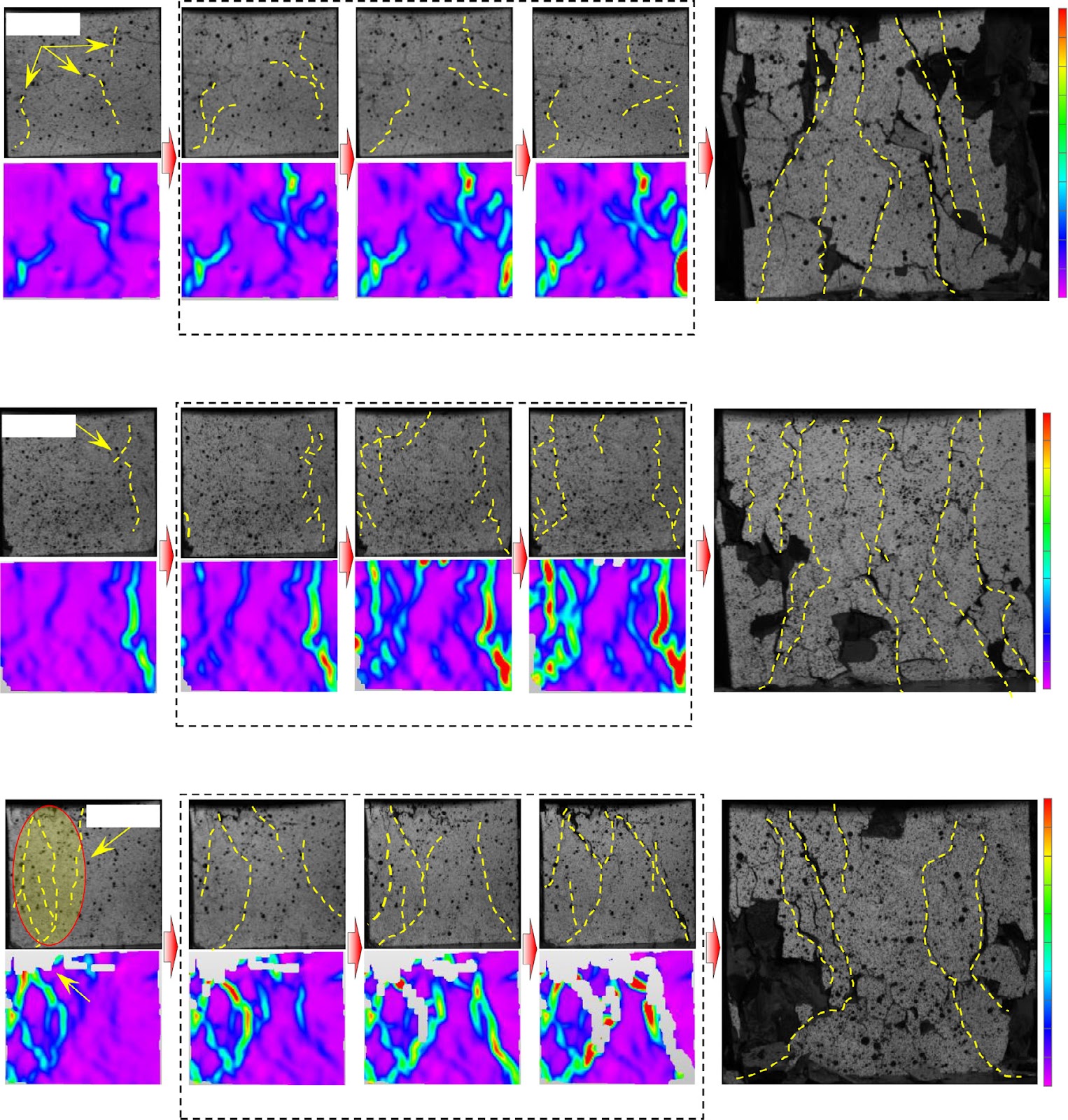
Cemented rockfill (CRF) combines structural support with sustainable reuse of coal-derived solid waste. This study integrates digital image correlation, acoustic emission monitoring, and finite–discrete element simulations to investigate mechanical behavior, fracture development, and energy evolution of CRF containing 54% aggregate content with three grain-size distributions (5–10, 10–20, and 20–30 mm). Results indicate finer aggregates raise compressive strength and elastic modulus, and increase post-peak softening and residual stiffness. Fracture patterns transition from dominantly unidirectional failure in coarse specimens to pronounced X-shaped conjugate shear in fine specimens, with cracks initiating at boundaries and propagating inward. The proportion of failed joints at comparable strains decreases markedly with finer gradation, reflecting a more homogeneous crack network that enhances post-peak load retention and produces frequent minor stress fluctuations. Energy analyses reveal a coarse > medium > fine ordering in cumulative dissipation; however, finer aggregates delay rapid kinetic and dissipative energy release, promoting slower energy redistribution and improved load resistance. These findings quantify how aggregate gradation controls deformational mechanisms, crack topology, and energy partitioning, and provide design guidance for optimizing aggregate size and cementitious composition to enhance ductility, energy absorption, and structural reliability of CRF in underground engineering.

Influence of Aggregate Particle Size on Fracture Behavior and Energy Evolution of Cemented Rockfill in the Post-Peak Stage
Graphical Abstract
Original ResearchVol. 32, Issue 1 • pp. 100-112DOI: 10.1016/j.ijmst.2026.01.002Jan 15, 2026

Load-bearing characteristics of backfilling solids in deep mining under flexible passive confining pressure: An experimental study

Authors: JU Minghe, ZHANG Bo, YU Liyuan, HU Chaohan, LI Baiyi, GU Wenzhe, DOU Linming, ZHANG Qiang, JI Hao, CHENG Ruyi

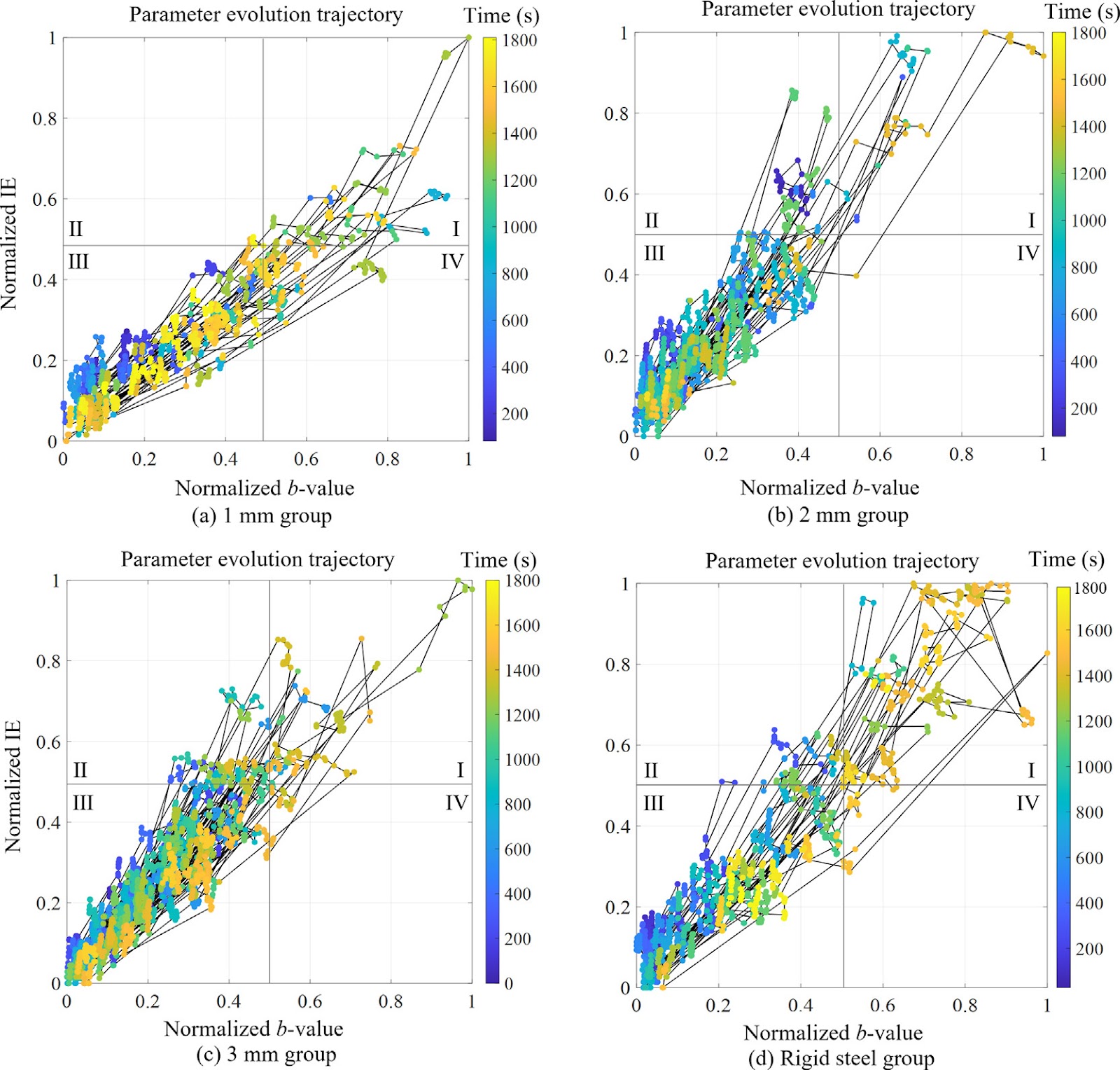
To address the deviation between rigid confining pressure experiments and actual engineering conditions of deep backfill mining, where backfill near the working face has less confining pressure, while that in deep goaf areas is under high confining pressure, this study investigates the load-bearing characteristics of rock granular materials under flexible passive confining pressure. Customized PC molds with varying wall thicknesses and rigid steel molds were used to construct a gradient confining pressure environment. Compression tests were conducted, combined with the characterization of acoustic emission (AE) monitoring, strain measurement, particle sieving, and scanning electron microscopy (SEM) observation. The results show that flexible passive confining pressure divides the particle compression process into three stages that are different from those under traditional rigid constraints, namely the initial compaction stage, the crushing failure stage, and the lateral confinement-dominated stage. AE signals exhibit a bimodal energy distribution, and the time interval between the two can vary by more than 4 times with changes. The failure modes transition from shear to tension. Compared with intact materials, granular materials under lateral confinement maintain continuous volume contraction, and can even maintain a continuous volume contraction trend at least when the strain reaches 8%. And lateral confinement stiffness significantly enhances axial bearing capacity: when the axial strain reaches 30%, the axial stress in the rigid confinement group is nearly 5 times that in the flexible confinement group. Fractal dimension increases from 1.94 to 2.39 as the confinement stiffness rises. This study clarifies the influence mechanism of lateral confinement stiffness on granular mechanics, providing fundamental support for optimizing backfill design based on goaf locations and improving surrounding rock control in deep green mining.

Load-bearing characteristics of backfilling solids in deep mining under flexible passive confining pressure: An experimental study
Graphical Abstract
Original ResearchVol. 32, Issue 1 • pp. 100-112DOI: 10.1016/j.ijmst.2026.01.001Jan 15, 2026

Influence mechanism of pore structure evolution on oxygen consumption dynamics during low-temperature oxidation of igneous metamorphic coal

Authors: Xu Shao, Botao Qin, Quanlin Shi, Ziwei Li, Bao Qu, Shibo Xu, Junyu Wang, Mingyue Weng

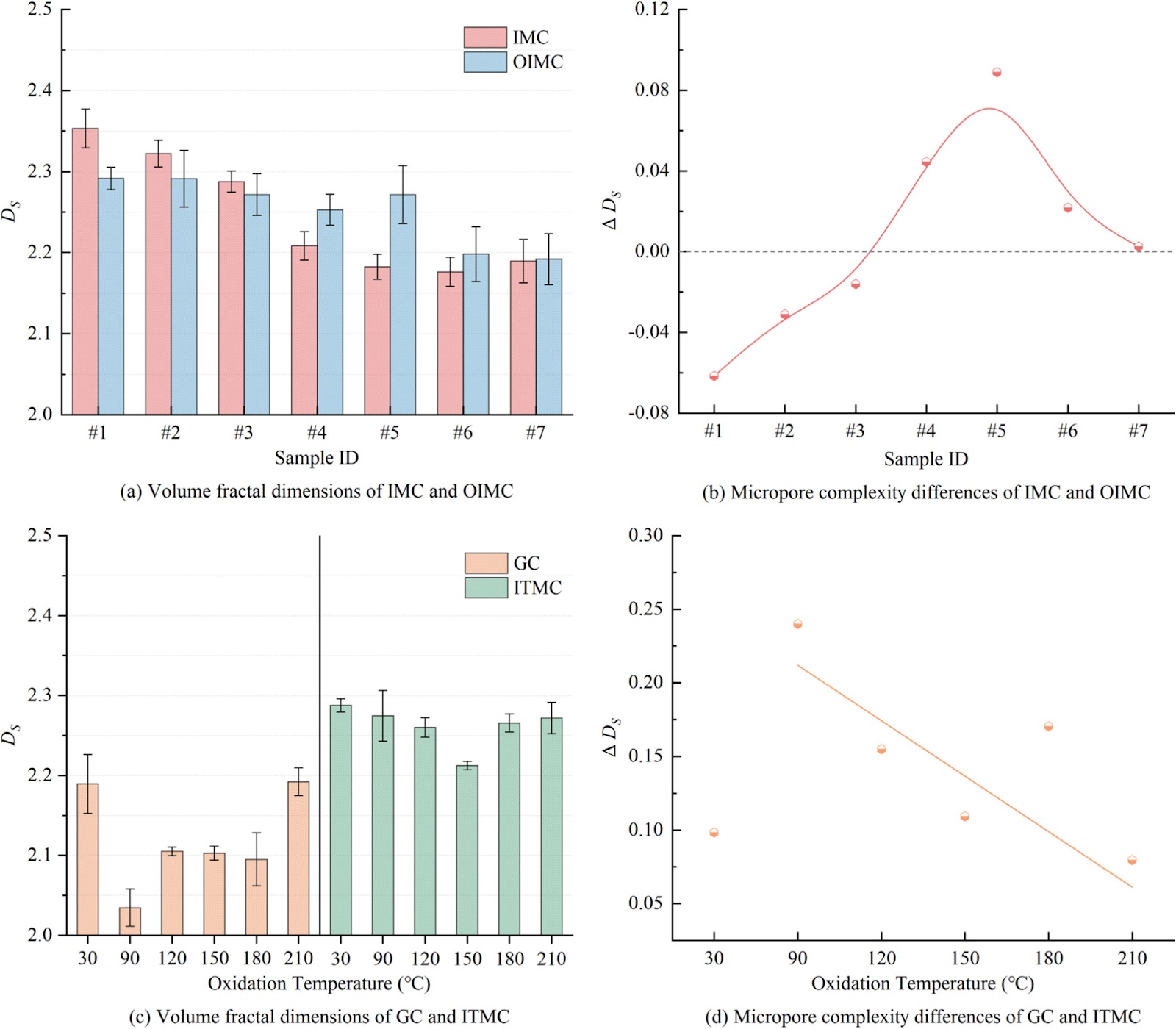
In igneous-intruded coal seams, coal undergoes significant metamorphism, which critically alters its pore structure and oxygen consumption dynamics, thereby elevating its spontaneous combustion tendency. This study investigates the specific surface area, pore volume, structure complexity/connectivity, heterogeneity/local features of pore size distribution, and oxygen consumption dynamics of igneous metamorphic coal through N2/CO2 isothermal adsorption tests and low-temperature oxidation experiments, and elucidates the influence mechanisms of pore structure evolution on oxygen consumption dynamics during low-temperature oxidation. With increasing metamorphic degree, igneous metamorphic coal exhibits a more pronounced reduction in specific surface area during oxidation, while the increase in structure complexity due to coal-oxygen reactions is suppressed. Thermally metamorphic coal demonstrates accelerated oxygen consumption, with oxidation amplifying the difference in reaction rates compared to raw coal. Key mechanisms include oxidation-induced reduction in mesopore complexity and micropore volume, decreased dominance of small-pore-volume apertures, and increased heterogeneity, collectively leading to a lower half-oxygen-consuming temperature and steeper oxygen consumption curves. Simultaneously, increased pore volume/complexity and reduced uniformity/connectivity act synergistically to enhance oxygen consumption capacity, highlighting the coupling between pore structure evolution and oxidation behavior in igneous metamorphic coal. This study provides theoretical insights into the pore-oxygen coupling mechanisms governing coal spontaneous combustion in igneous intrusion areas.

Influence mechanism of pore structure evolution on oxygen consumption dynamics during low-temperature oxidation of igneous metamorphic coal
Graphical Abstract
Original ResearchVol. 32, Issue 1 • pp. 100-112DOI: 10.1016/j.ijmst.2026.01.008Jan 15, 2026

Coupled TM-damage modeling and global sensitivity analysis of thermal spalling in heterogeneous rocks

Authors: LIU Liyuan, SHI Mingshan, ELSWORTH Derek, WANG Tao, JI Hongguang, ZHANG Le, LI Yaohui

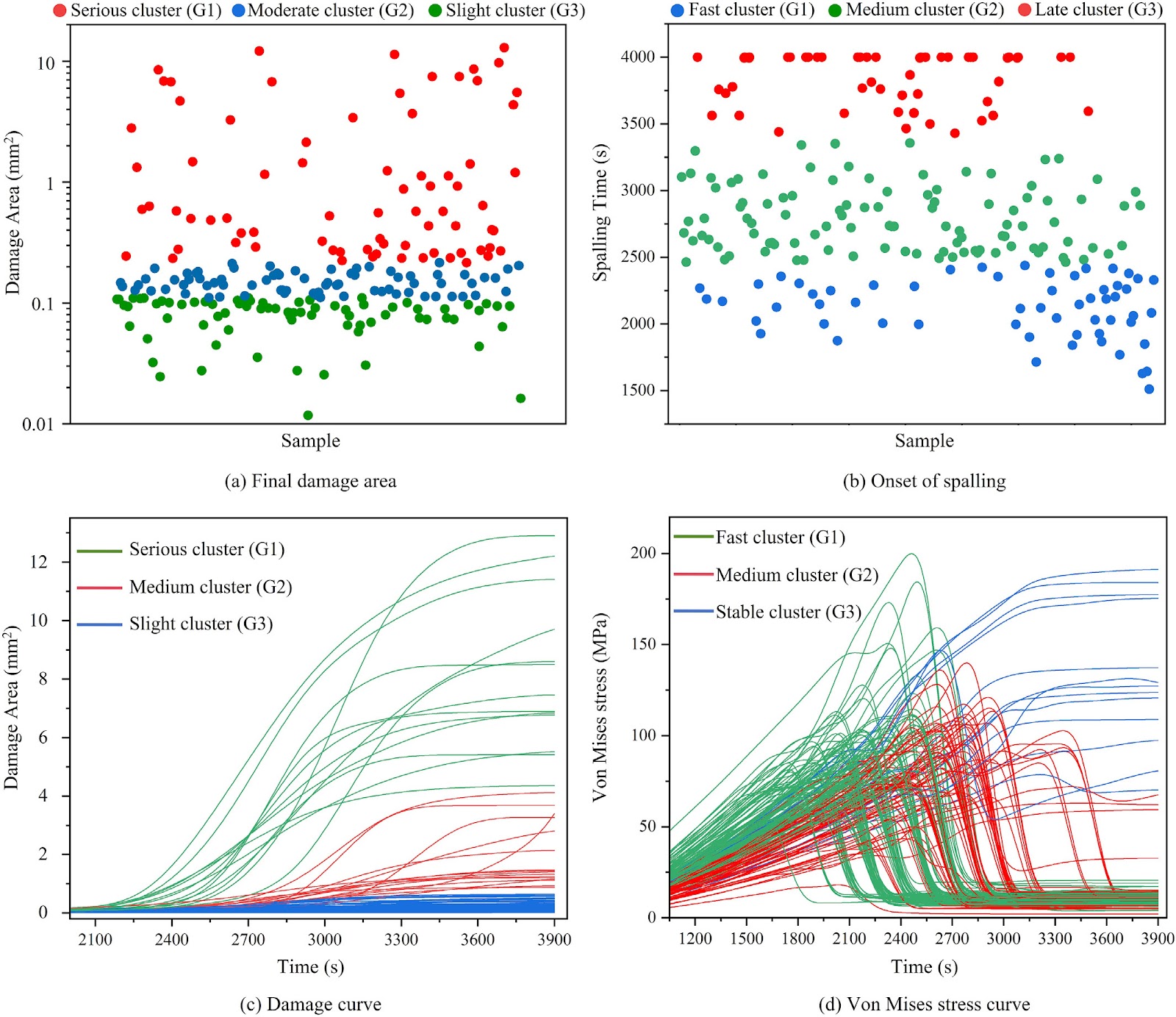
Thermal spalling in heterogeneous rocks under rapid heating poses critical risks to deep mining and geothermal operations. In this study, we develop a coupled thermal–mechanical–damage (TM-D) model that explicitly incorporates Weibull distributed heterogeneity to a single fracture in rock, and validate it against ceramic quenching and granite acoustic emission experiments. Distance based generalized sensitivity analysis (DGSA) is applied to quantify the influence and interactions of key parameters, revealing the dominant controls on spalling onset, severity, and damage morphology. The results demonstrate that thermal stress dominates crack initiation and propagation, that lateral constraints can significantly delay and suppress spalling, and that material heterogeneity markedly influences peak stress and damage modes within a certain range of thermal expansion coefficient and has multiple effects on thermal spalling. This study provides a theoretical basis for quantitative assessment and parameter optimization of thermal spalling processes in rock masses.

Coupled TM-damage modeling and global sensitivity analysis of thermal spalling in heterogeneous rocks
Graphical Abstract
Original ResearchVol. 32, Issue 1 • pp. 100-112DOI: 10.1016/j.ijmst.2026.01.006Jan 15, 2026

Investigation of Multiphase Fluid Seepage Behaviour in Abandoned Mines: Insights from Single Fracture to Network Scale

Authors: Kangsheng Xue, Hai Pu, Ming Li, Lulu Liu, Xiaoyan Liu, Dejun Liu

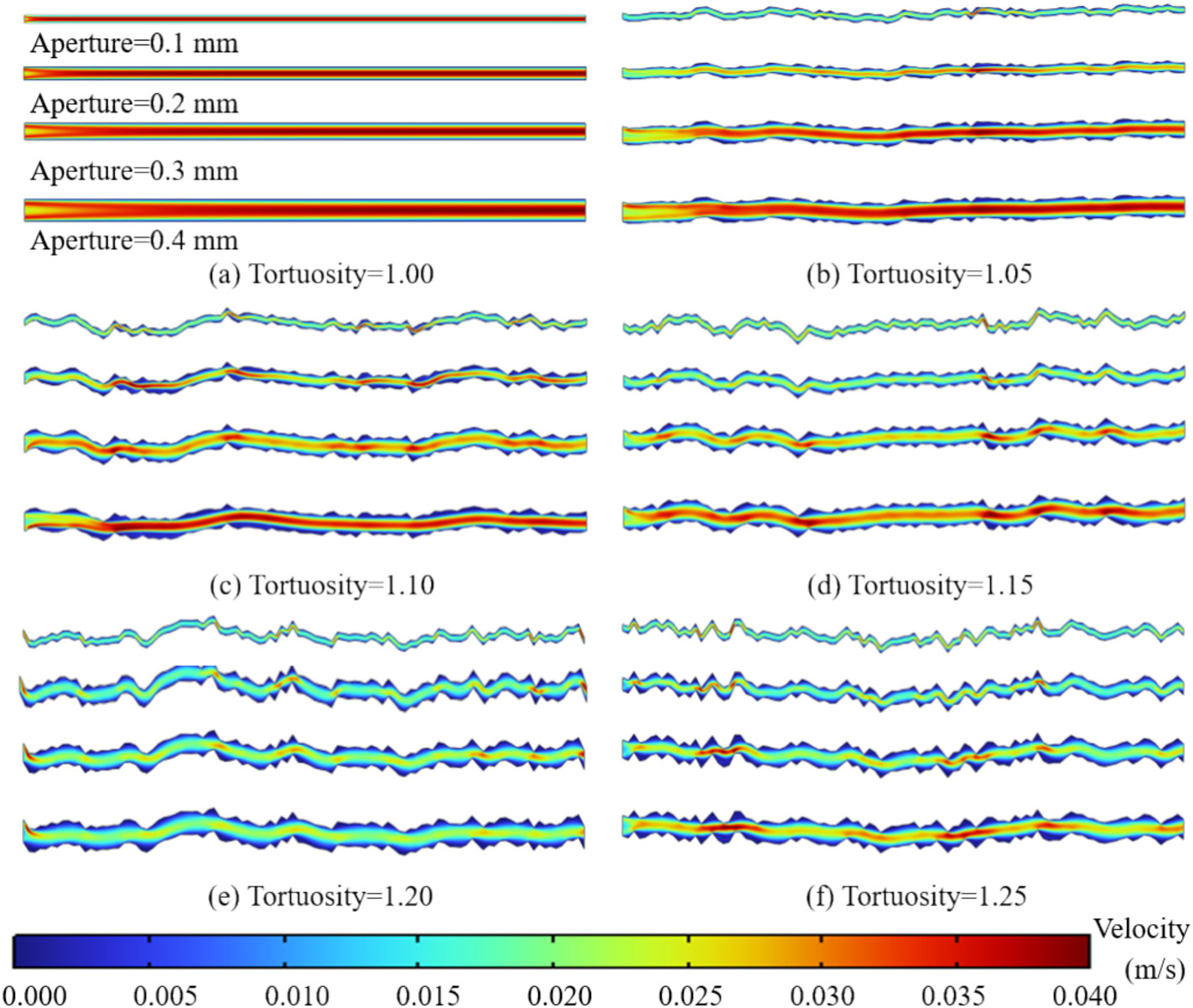
Quantifying two-phase fluid flow in fractured rocks is essential for resource reutilization in abandoned mines, subsurface energy recovery and underground waste isolation. This study develops a mathematical framework for predicting the permeability of rough fracture networks by integrating fractal geometry with single-phase and two-phase seepage theory. A permeability model for rough fracture networks is first established, and its sensitivity to key geometric parameters is analyzed. A second model is then formulated to relate water-phase saturation to measurable variables, enabling the estimation of two-phase permeability from Reynolds number and aperture. Model predictions show deviations of less than 10% from numerical simulations for both single-phase and two-phase flow, demonstrating the accuracy and robustness of the proposed approach. The results highlight the dominant roles of fracture number, tortuosity and aperture in controlling permeability, as well as the influence of flow regimes on relative permeability. The proposed framework provides a practical and physically based method for analyzing multiphase seepage in fractured rock and offers a foundation for further applications to field-scale fractured systems.

Investigation of Multiphase Fluid Seepage Behaviour in Abandoned Mines: Insights from Single Fracture to Network Scale
Graphical Abstract
Original ResearchVol. 32, Issue 2 • pp. 100-112DOI: 10.1016/j.ijmst.2026.02.008Jan 15, 2026

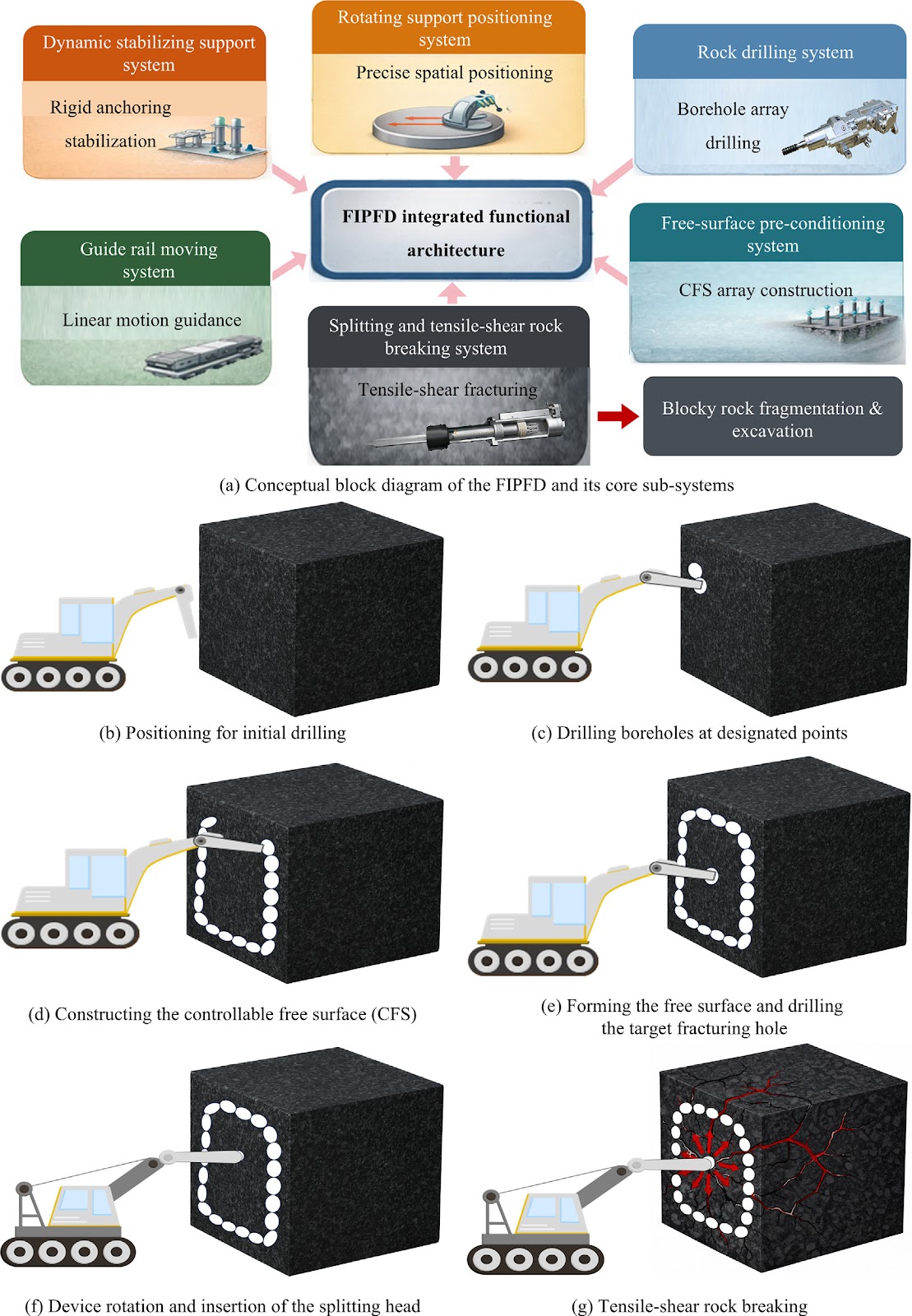
Tensile-Shear Collaborative Fracturing in Hard Rock Induced by a Controllable Free Surface: Mechanism and Application

Authors: Chenliang Hao, Longjun Dong, Fangzhen Fan, Xuewei Li, Ju Ma, Yihan Zhang

In deep hard rock mining, high confining pressure inhibits tensile failure, leading to low efficiency and severe tool wear in conventional mechanical rock breaking methods. To solve this problem, we propose a Controllable Free Surface Induced Tensile-Shear Collaborative Fracturing (CFS-TSCF) method. The method pre-forms an engineered controllable free surface (CFS) to reconfigure the local stress field, enabling a specialized device (FIPFD) to apply directional tensile-shear loads for low-energy breaking. A multi-scale approach integrating lab AE tests, DEM simulations, and field verification investigated the fracture mechanism and performance. Results revealed a predominantly tensile-driven (>50%) process. The CFS transforms the rock's triaxial compression into a specific stress path. This path, dominated by directional tension and constrained by lateral compression, guides the fracture along a low-energy channel. This also dictates the micro-mechanism's evolution from central quasi-tensile to peripheral tensile-shear failure. Field trials in hard rock (>200 MPa UCS) validated the method, demonstrating controllable, blocky spalling and achieving an average mining efficiency of 52.03 t/h. This research validates the CFS-TSCF method, offering a new technical paradigm for safe, efficient, continuous hard rock mining.

Tensile-Shear Collaborative Fracturing in Hard Rock Induced by a Controllable Free Surface: Mechanism and Application
Graphical Abstract
Original ResearchVol. 32, Issue 3 • pp. 100-112DOI: 10.1016/j.ijmst.2026.03.001Jan 15, 2026

Mechanisms of enhanced wettability and nanomechanical strength in soft coal seams modified by acidic SiO2 nanofluids

Authors: Linfan Qi, Xianfeng Liu, Baisheng Nie, Jialiang Li, Peng Chen, Han Han, Zhongbei Li, Shanyang Wei, Bozhi Deng

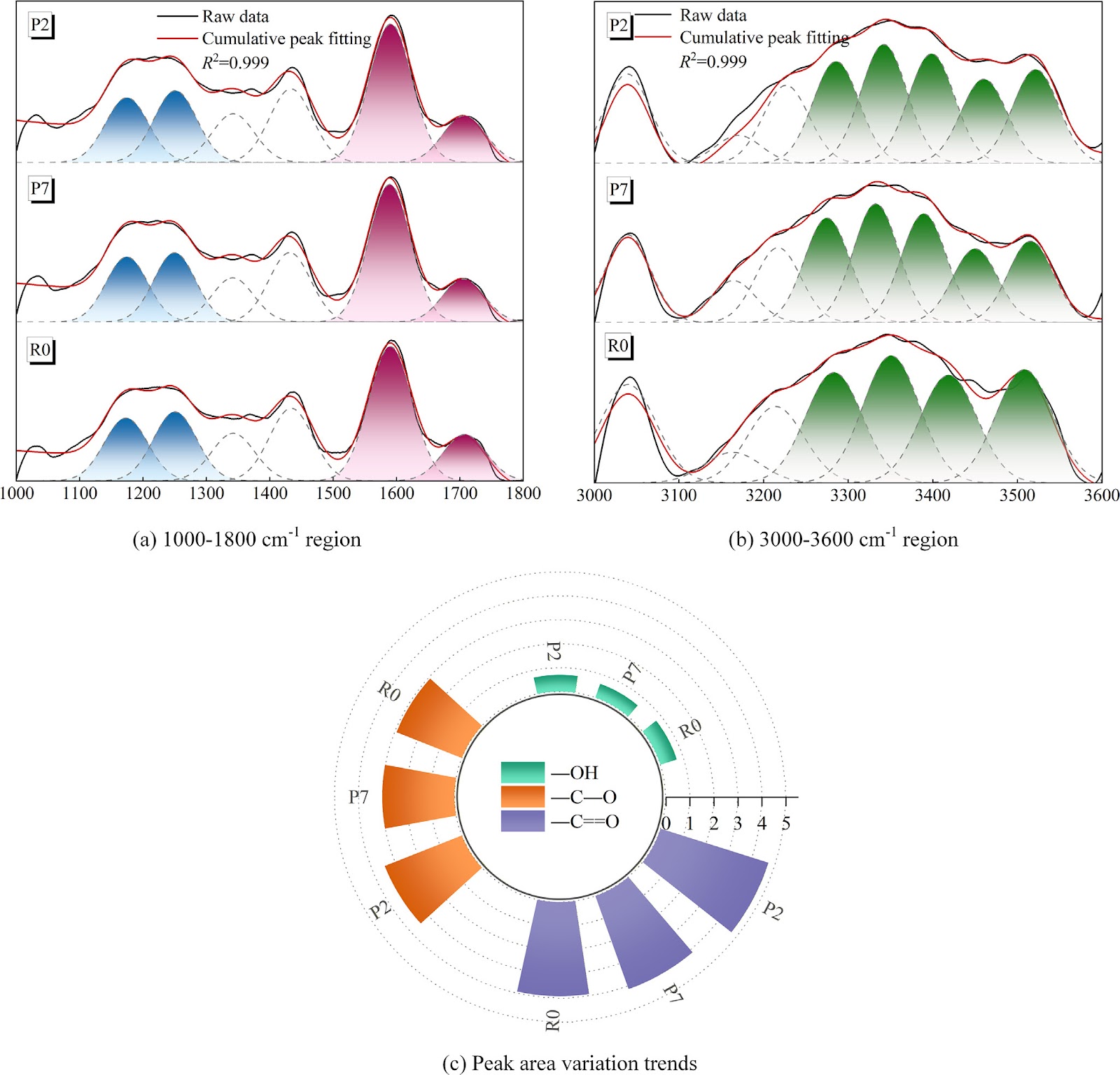
Conventional hydraulic fracturing is widely used for underground gas control in coal mines; however, in deep, soft coal seams, poor wettability and low mechanical strength can cause rapid energy release under gas pressure and mining-induced disturbances. These conditions increase the risk of coal and gas outbursts, complicate rapid outburst elimination, and pose serious threats to safe mine operations. In this study, SiO2 nanofluid solutions with varying acidity were prepared, and molecular dynamics simulations, contact angle measurements, Fourier transform infrared spectroscopy, nanoindentation tests, and three-dimensional super-depth microscopy were employed to systematically investigate the mechanisms by which acidic SiO2 nanofluids enhance the wettability and nanomechanical strength of soft coal seams. The results show that SiO2 nanoparticles act as bridging agents between water molecules and the coal matrix. In the high-mass fraction H2O/SiO2/coal system, the adsorption layer thickness increases from 15.44 Å in the pure water system to 20.51 Å. Acidic SiO2 nanofluids substantially reduce the coal-water contact angle; at pH 2, the contact angle decreases to 47.9°, representing a 43.86% reduction relative to raw coal. The total absorption peak area of oxygen-containing functional groups increased accordingly, promoting a transition of the coal surface from hydrophobic to hydrophilic. SiO2 nanofluids with varying acidity also induce pronounced changes in the mechanical properties of coal samples. Under mildly acidic conditions (pH 5), the elastic modulus and hardness increase by 17.880% and 18.794%, respectively, while the peak displacement and contact displacement decrease by 8.056% and 8.117%. Mild acidity promotes the formation of local micropores and facilitates the embedding of SiO2 nanoparticles, enhancing structural support and improving nanomechanical performance. In contrast, under strong acidic conditions, the corrosion effect outweighs the supporting role of the nanoparticles, resulting in mechanical degradation. Overall, the synergistic effects of acidic environments and SiO2 nanofluids significantly influence the wettability and mechanical behavior of coal. By elucidating their combined modification mechanisms, this study provides theoretical support and new perspectives for fluid-injection enhancement and dynamic disaster prevention in deep, soft coal seams.

Mechanisms of enhanced wettability and nanomechanical strength in soft coal seams modified by acidic SiO2 nanofluids
Graphical Abstract
Original ResearchVol. 32, Issue 2 • pp. 100-112DOI: 10.1016/j.ijmst.2026.02.006Jan 15, 2026

NaNO2-loaded mesoporous MgO for high-efficiency CO2 capture: Synthesis, characterization and novel mechanistic insights

Authors: Yulian Wang, Jiayi Liu, Jinze Song, Junze Gu, Binyan Wang, Rui Guan, Keqing Li, Wanzhong Yin, Haoran Sun, Huili Han

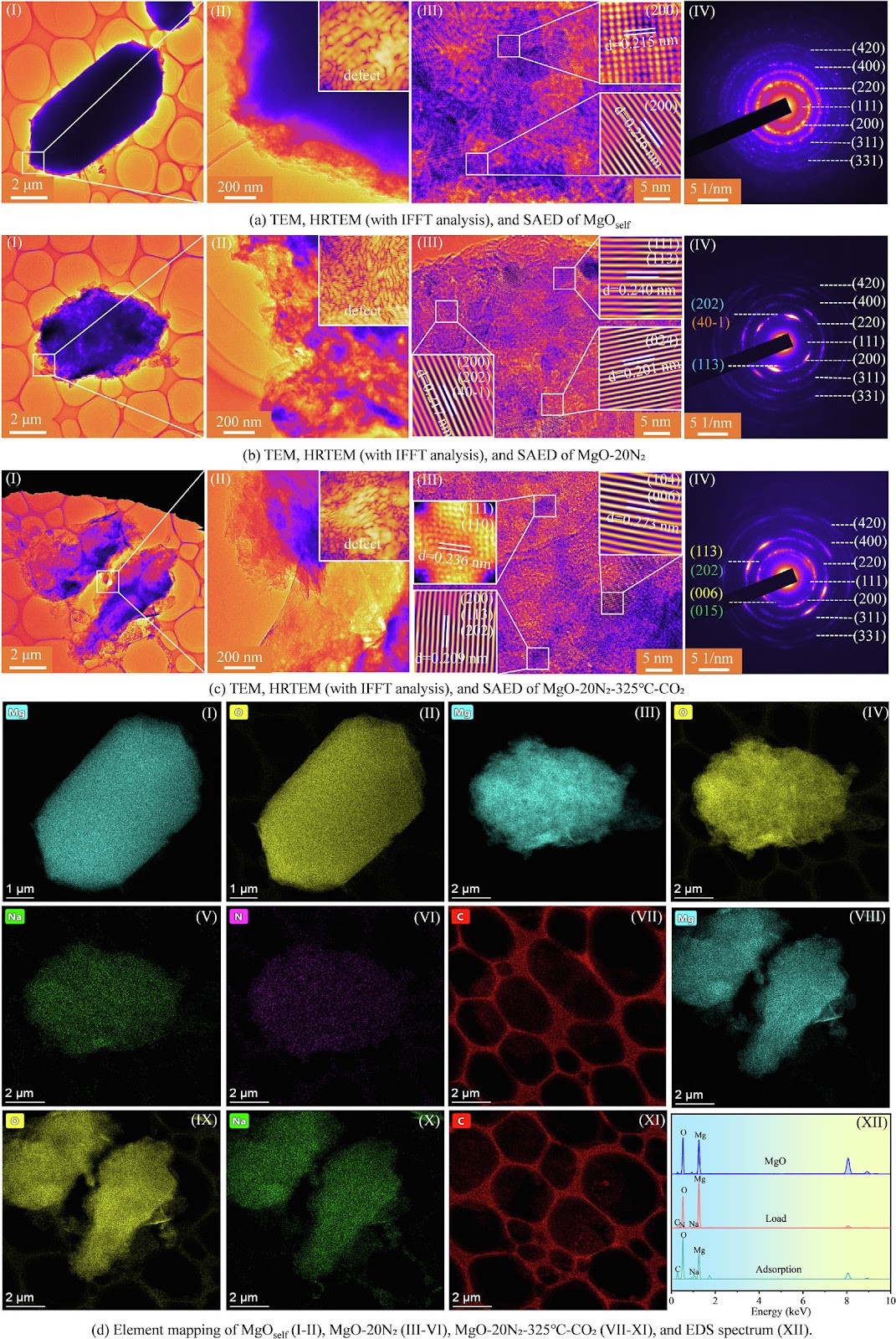
The development of efficient CO2 adsorbents is critical for achieving net-zero targets. MgO represents a promising solid adsorbent for CO2 capture, yet its limited specific surface area and insufficient active sites restrict its adsorption capacity under moderate temperature conditions. A rod-like anhydrous MgCO3 precursor was hydrothermally synthesized and calcined at 500 °C for 3 h to obtain porous MgO (184.9 m2 g−1, 0.38 cm3/g), which was then modified with 20% NaNO2 (by mole) via impregnation. This adsorbent achieved an adsorption capacity of 12.6 mmol g−1 after 120 min under a pure CO2 atmosphere at 325 °C. Comprehensive characterization reveals that NaNO2 modification leads to the NaNO3 and Na2CO3 formation on the MgO surface during calcination. The introduced NaNO3 effectively promotes oxygen vacancy formation, while the generated Na2CO3 serves as heterogeneous nucleation sites, collectively reducing the reaction energy barrier and enhancing interfacial mass transfer. This synergistic effect facilitates the MgCO3 formation followed by its conversion to the thermodynamically more stable Na2Mg(CO3)2. Kinetic studies elucidate that adsorption is dominated by surface chemical reactions and diffusion mechanisms at different stages. These fundamental insights into the adsorption mechanisms of nitrite-modified MgO provide valuable guidance for the rational design of advanced MgO-based CO2 adsorbents with enhanced performance.

NaNO2-loaded mesoporous MgO for high-efficiency CO2 capture: Synthesis, characterization and novel mechanistic insights
Graphical Abstract
Original ResearchVol. 32, Issue 3 • pp. 100-112DOI: 10.1016/j.ijmst.2026.03.004Jan 15, 2026

Energy characteristics during the progressive shear failure of rock joints and brittleness evaluation

Authors: Jianan Yang, Pengxian Fan, Junhui Wang, Haozhe Xing, Mingyang Wang, Qihu Qian

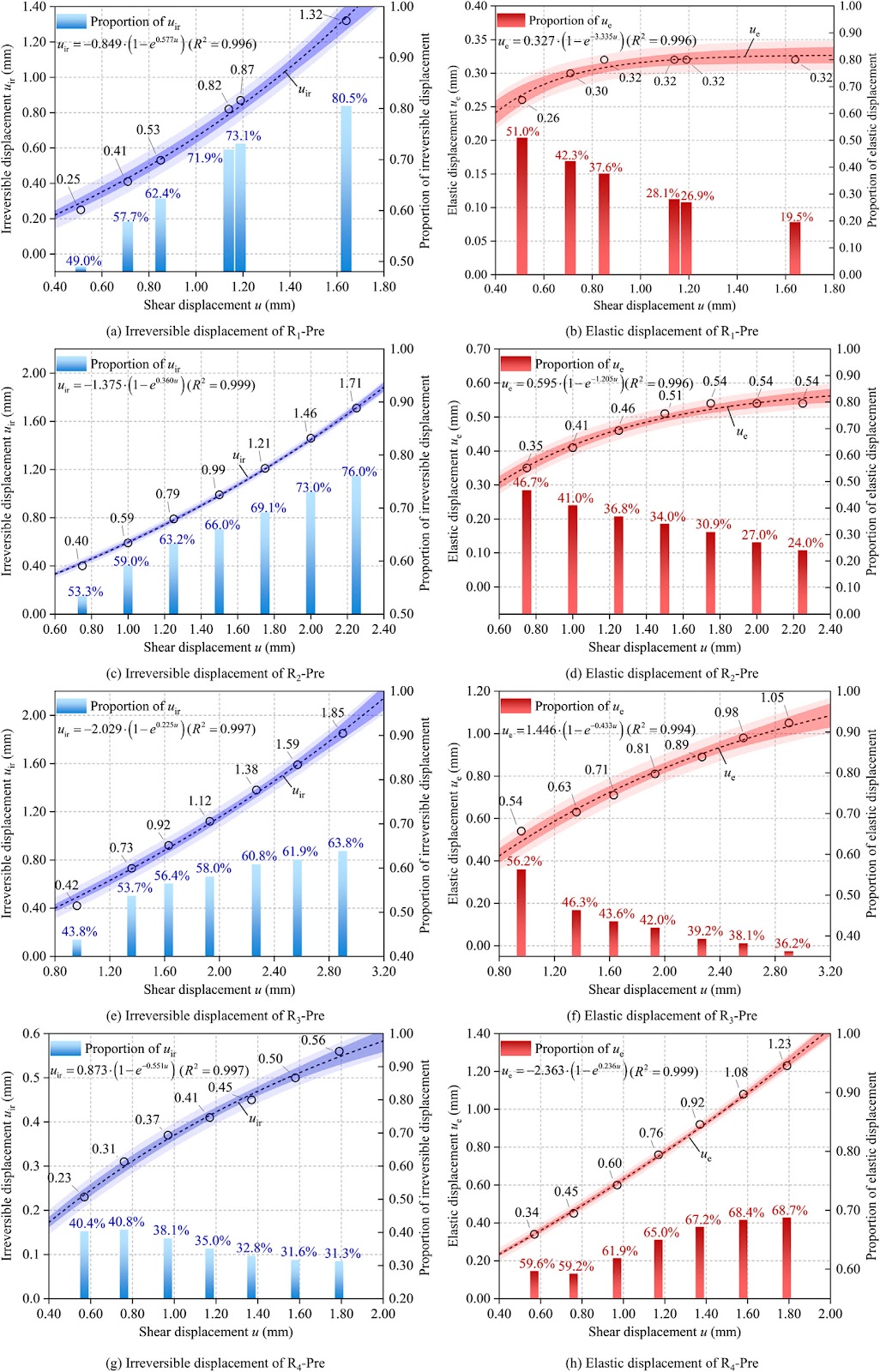
The energy-driven progressive brittle shear failure of rock joints is a key mechanism behind deep engineering disasters such as joint-induced rockbursts and engineering earthquakes. To investigate the energy evolution mechanisms and disaster proneness, monotonic and stepwise loading-unloading tests were performed on regular dentate joints under constant normal stiffness boundary conditions. Results indicate a transition in damage mechanism from climbing wear of low-inclination asperities to brittle rupture of high-inclination ones, accompanied by a marked decrease in irreversible displacement. Energy analysis reveals a strong linear relationship between pre-peak elastic energy density and both input energy density and shear stress squared. The post-peak elastic energy release rate (g) and the self-sustaining instability coefficient (l) increase with joint undulation. A dimensionless brittleness index (BI) integrating the complete energy conversion and release process was proposed to quantify the energy balanced budget. The highly undulated joint R4 showed the most pronounced brittleness and instability intensity with the highest BI value of 0.697, along with g = 0.774 and l = 0.611. This study provides deeper insight into the understanding of the disaster-inducing proneness and stability assessment in jointed rock mass.

Energy characteristics during the progressive shear failure of rock joints and brittleness evaluation
Graphical Abstract
Original ResearchVol. 32, Issue 2 • pp. 100-112DOI: 10.1016/j.ijmst.2026.02.003Jan 15, 2026

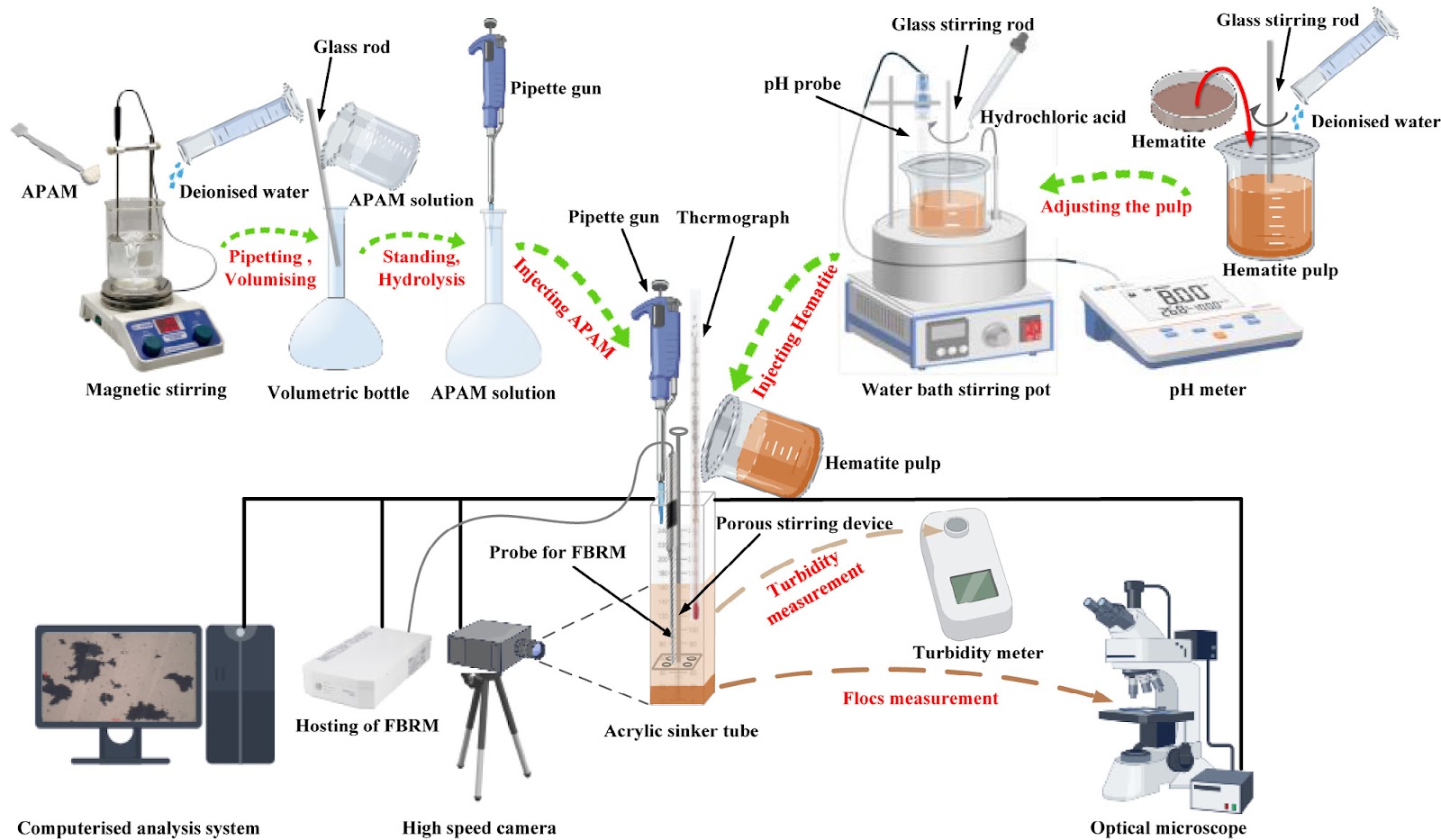
Unravelling the pH-Driven Multiscale Cascade of Hematite Flocculation: From Interfacial Tuning to Structural Assembly and Sedimentation Dynamics

Authors: ZHANG Ke Kang, SHEN Yan Bai, CUI Bao Yu, GAO Shu Ling, LIU Wen Gang, ZHAO Qiang

Efficient flocculation and sedimentation of ultrafine hematite remain a key challenge in mineral processing. This study elucidates the pH-dependent flocculation behaviour of hematite with anionic polyacrylamide (APAM) using a multi-scale correlation framework integrating interfacial analysis, structural characterization, and sedimentation evaluation. Increasing pH induces progressive surface deprotonation, yielding a more negative hematite surface and enhanced APAM adsorption from 0.106 to 0.186 mg/m2. FTIR, XPS, and molecular dynamics simulations consistently reveal strengthened Fe–OOC coordination, intensified hydrogen bonding, and more stabilised polymer conformations under alkaline conditions. Microscopy, SEM, and FBRM show that alkaline conditions facilitate the formation of larger and denser flocs, with size increasing from 56 to 982 μm and fractal dimension from 1.44 to 1.87. These structural changes markedly improve sedimentation performance, reducing turbidity from 436.8 to 76.7 NTU and increasing settled solids from 35.94 to 52.43 percent. The proposed multi-scale correlation model quantitatively links interfacial chemistry, floc structural evolution, and settling behaviour, providing a unified mechanistic basis for pH-regulated hematite flocculation. This framework not only advances understanding of polymer–mineral interactions but also offers practical guidance for optimising solid–liquid separation and tailings-water recycling in fine mineral beneficiation.

Unravelling the pH-Driven Multiscale Cascade of Hematite Flocculation: From Interfacial Tuning to Structural Assembly and Sedimentation Dynamics
Graphical Abstract
Original ResearchVol. 32, Issue 2 • pp. 100-112DOI: 10.1016/j.ijmst.2026.02.007Jan 15, 2026

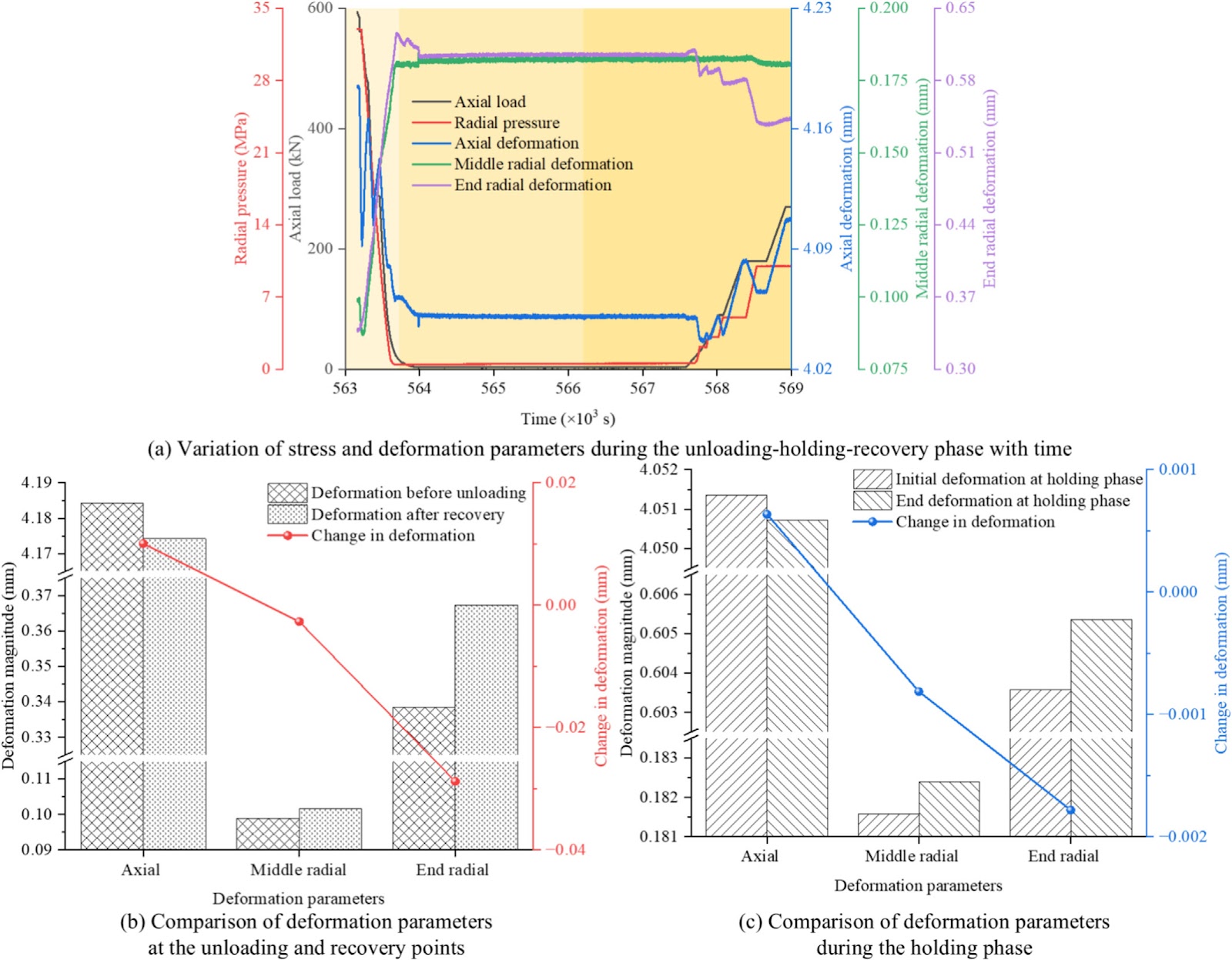
Consolidation-Sealing of In-Situ Internal Stress in Deep Rocks: Device Development and Mechanical Behavior Characterization

Authors: Mingzhong Gao, Chuo Zhang, Fei Li, Bengao Yang, Jing Xie, Zundong Yang, Kunchen He

Addressing the scientific problem of unclear understanding of in-situ internal stress and its evolution in deep rock masses, a scientific definition and implementation path for the concept of in-situ internal stress consolidation-sealing in deep rock masses are proposed, and a set of in-situ internal stress consolidation-sealing test device for deep rock masses has been independently developed. The device consists of a material consolidation cultivation module, an in-situ internal stress environment simulation module, and a multi-source information capture module. And the three mechanical tests of internal stress preservation, internal stress release and conventional were carried out with the device. The evolution law of the deformation parameters in the internal stress consolidation-sealing stage was studied, and the difference characteristics of the deformation parameters before and after the internal stress releasing were compared and analyzed. The results show that the internal stress consolidation-sealing significantly affects the mechanical properties of the simulated rock material, while the internal stress release leads to the damage of the material properties, suggesting that the presence and influence of internal stress should not be overlooked. This study could provide a new research direction and scientific devices for the expansion and deepening of the field of deep in-situ rock mechanics.

Consolidation-Sealing of In-Situ Internal Stress in Deep Rocks: Device Development and Mechanical Behavior Characterization
Graphical Abstract
Original ResearchVol. 32, Issue 2 • pp. 100-112DOI: 10.1016/j.ijmst.2026.02.001Jan 15, 2026

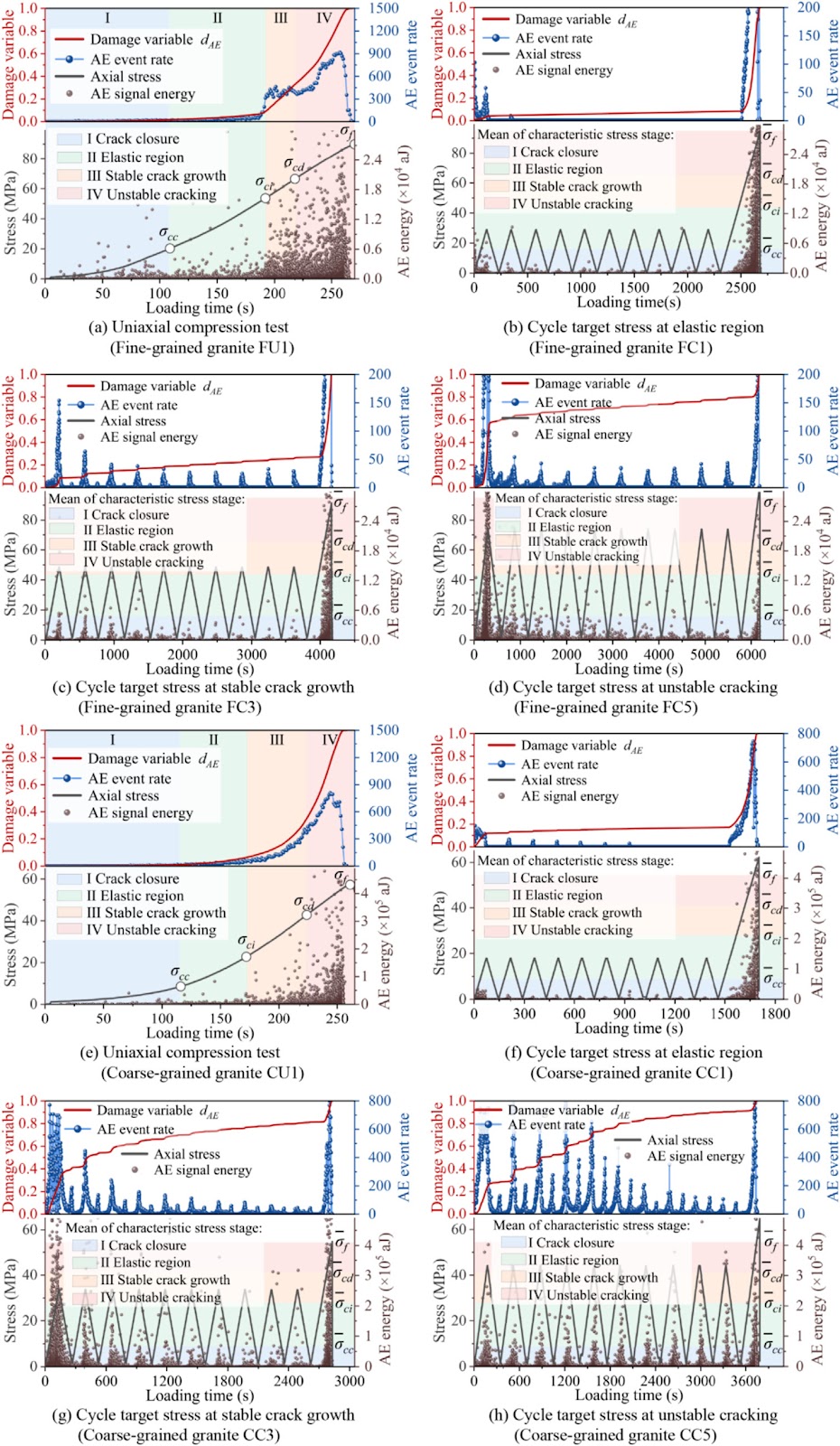
Estimation of characteristic stresses in granite through acoustic emission monitoring of microcrack fracture mode evolution

Authors: Yunge Zhao, Linqi Huang, Longjun Dong, Xibing Li

Characteristic stresses are critical indicators for microcrack initiation and propagation in rock, a process intrinsically linked to fracture mode. To investigate fracture mode evolution and its feasibility for estimating characteristic stresses, this study conducted uniaxial compression and cyclic loading-unloading tests on fine- and coarse-grained granite with acoustic emission (AE) monitoring. Cyclic target stresses were set within intervals determined by characteristic stresses. Analysis using the AE parameters AF-RA revealed that fracture mode evolution correlates with damage level, and shear microcrack propagation primarily governs macroscopic failure. A characteristic stress estimation method was developed by mapping key points on the shear crack proportion curve: crack closure stress (transition between fluctuating and stable segments), crack initiation stress (inflection point of curve rise), and crack damage stress (slope change point in ascending segment). Comparative analysis with the crack volumetric strain method validated the proposed method. The influences of fracture mode dividing line and statistical interval were discussed, with practical recommendations provided. Compared to conventional AE parameters, the fracture mode proportion exhibits lower sensitivity to AE parameter variations, enabling more reliable identification of characteristic stress points. Furthermore, it directly reflects microcrack evolution behavior, enhancing interpretability and providing a novel perspective for AE-based characteristic stress determination.

Estimation of characteristic stresses in granite through acoustic emission monitoring of microcrack fracture mode evolution
Graphical Abstract
Original ResearchVol. 32, Issue 2 • pp. 100-112DOI: 10.1016/j.ijmst.2026.02.004Jan 15, 2026

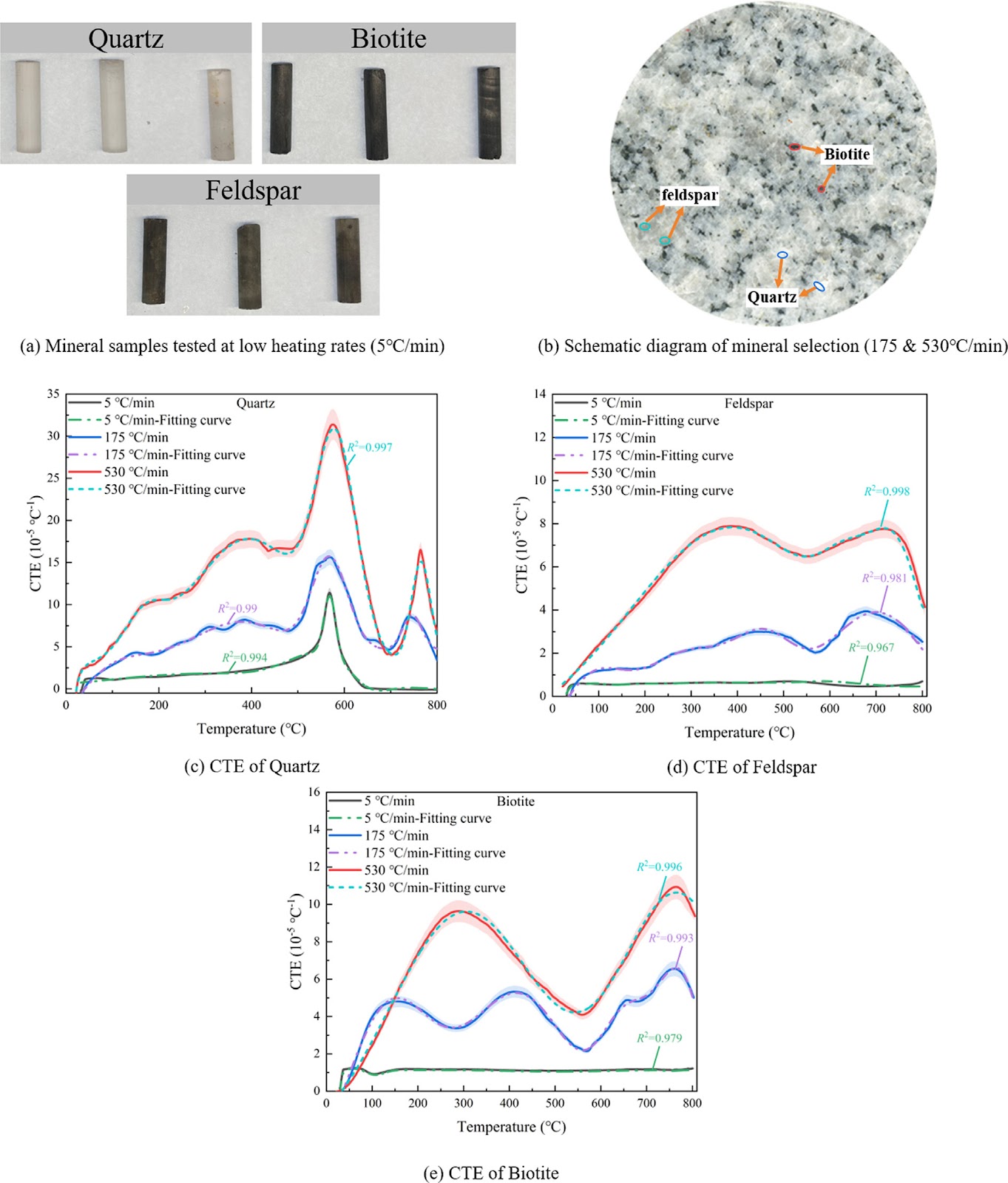
Heating Rate Effect of Thermal Expansion in Granite and Implications for Rock Breaking

Authors: Yubo Li, Lei He, Yueyang Li, Weiqiang Zhu, Huaiguang Xiao, Tienan Wang

The influence of the heating rate on the thermo-mechanical response and damage evolution of rock is a critical factor limiting the safety and efficiency of engineering applications. Conventional models are limited, however, as they assume a static coefficient of thermal expansion (CTE) and ignore its dynamic nature under rapid thermal loading. This study confronts this knowledge gap using a synergistic experimental–numerical approach. A custom system combining induction heating and Digital Image Correlation was employed to measure the rate-dependent CTE of both bulk granite and its constituent minerals over various heating rates. These dynamic coefficients were then integrated into a high-fidelity numerical model to simulate microwave-assisted rock breaking. Results definitively show the CTE is strongly rate-dependent. While the quartz phase transition at ~573 °C triggers critical damage, faster heating significantly amplifies strain localization and damage accumulation. Crucially, simulations revealed that under identical microwave loading, the model using dynamic CTE (530 °C/min) reached a 1000 mm² failure area 11 times faster than the model using quasi-static CTE (5 °C/min). This study fundamentally establishes rock's CTE as a dynamic, rate-dependent property, providing a key scientific basis for advancing such thermal fracturing technologies.

Heating Rate Effect of Thermal Expansion in Granite and Implications for Rock Breaking
Graphical Abstract