SinoTechIntel Academic Portal
🏛️ Indexed Academic JournalImpact Factor: 3.8

Int. Journal of Mining Science and Technology (采矿与安全工程)

Authoritative peer-reviewed journal in materials science, metallurgy, chemistry and engineering technologies: Int. Journal of Mining Science and Technology (采矿与安全工程)

Total Research Papers: 147
Access: 100% Free Open Access
Browse by Publication Year & VolumeReset All Filters ✕

Published Research PapersFiltered: Year 2026 • Vol. 32 • 1

Showing 6 of 147 peer-reviewed papers with full Graphical Abstracts.

Original ResearchVol. 32, Issue 1 • pp. 100-112DOI: 10.1016/j.ijmst.2026.01.004Jan 15, 2026

Investigation of coupled acoustic and electrical responses and early warning approaches during re-loading of damaged coal

Authors: Xiayan Zhang, Enyuan Wang, Rongxi Shen, Huihan Yang, Haishan Jia, Shenglei Zhao, Zhoujie Gu, Zhenhua Hu, Chong Li, Meng Wang

Initial damage from engineering disturbances in deep coal mining degrades mechanical properties and heightens dynamic-hazard risks, challenging conventional monitoring. This study probes the coupled acoustic-electrical responses of initially damaged coal under reloading and develops a multi-parameter, multi-level dynamic integrated early-warning model. Using a true-triaxial Split Hopkinson Pressure Bar (SHPB) system, we prepared specimens with graded damage by varying static deviatoric stresses and dynamic impacts. Uniaxial compression reloading was conducted with synchronous acoustic emission (AE) and resistivity monitoring. Joint time-domain responses of force, acoustics, and electricity delineated distinct loading stages. Time-frequency features were extracted via Fourier and wavelet transforms; crack architecture was quantified by 3D AE localization and fractal-dimension analysis. Initial damage markedly reduced load-bearing capacity. Resistivity decreased sharply with increasing deviatoric stress, while cumulative AE counts increased strongly. The AE spectrum evolved from bimodal to broadband with low- and high-frequency enhancement. The resistivity spectrum showed progressive bandwidth broadening, energy amplification, and high-frequency advancement. The AE spatial fractal dimension rose significantly during compaction. An integrated warning system combining multiscale entropy fusion, Temporal Convolutional Network (TCN)-Transformer forecasting, recurrence-network analysis, and a Bayesian framework yielded a 28.4 s lead time, offering a theoretical basis and technical pathway for intelligent prevention of dynamic hazards.
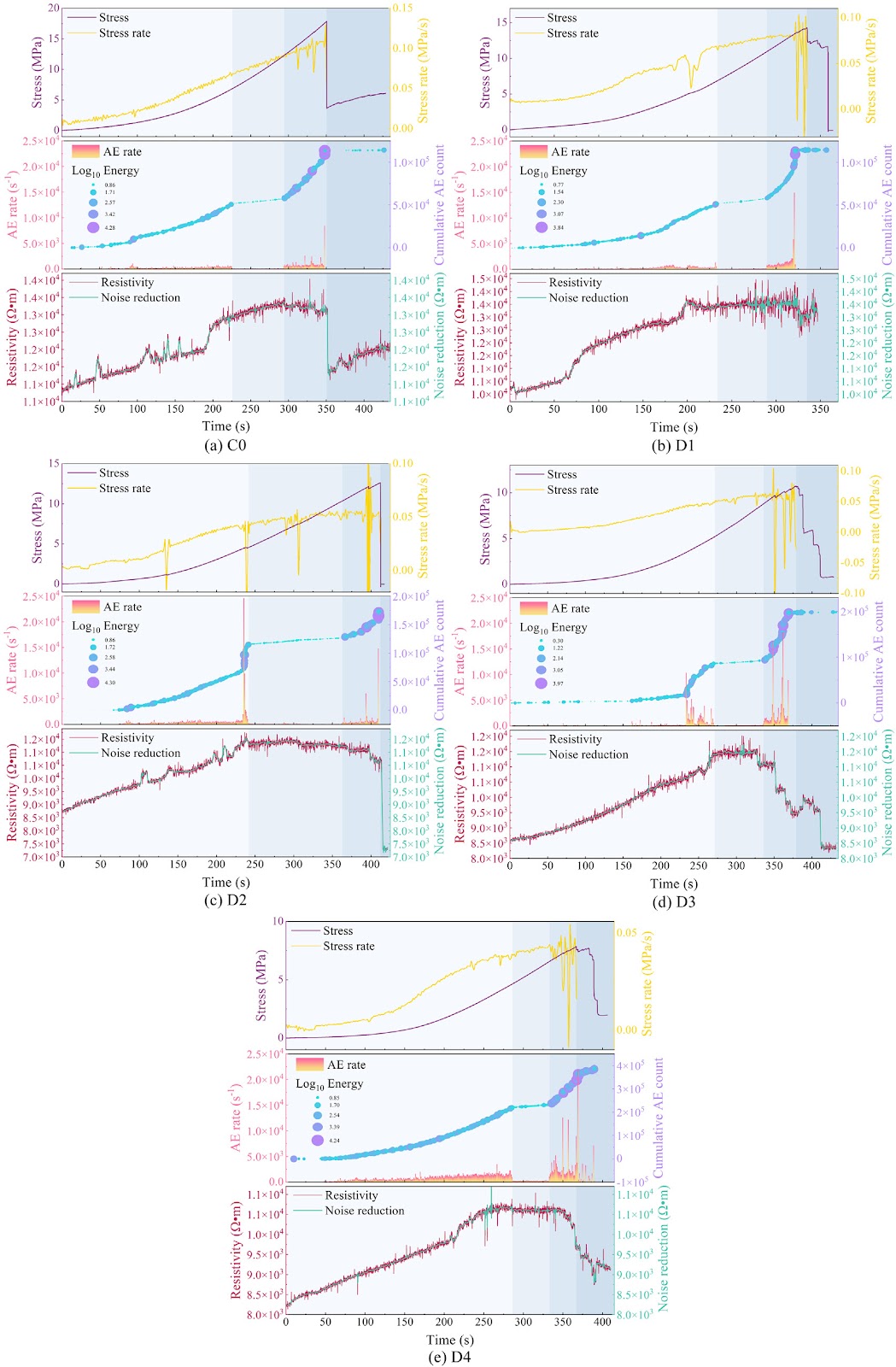
Investigation of coupled acoustic and electrical responses and early warning approaches during re-loading of damaged coal
Graphical Abstract
Original ResearchVol. 32, Issue 1 • pp. 100-112DOI: 10.1016/j.ijmst.2026.01.003Jan 15, 2026

Influence of Aggregate Particle Size on Fracture Behavior and Energy Evolution of Cemented Rockfill in the Post-Peak Stage

Authors: Zhu Li, Weibing Zhu, Qingdong Qu, Jialin Xu, Guorui Feng, Chunlei Guo, Jingmin Xu

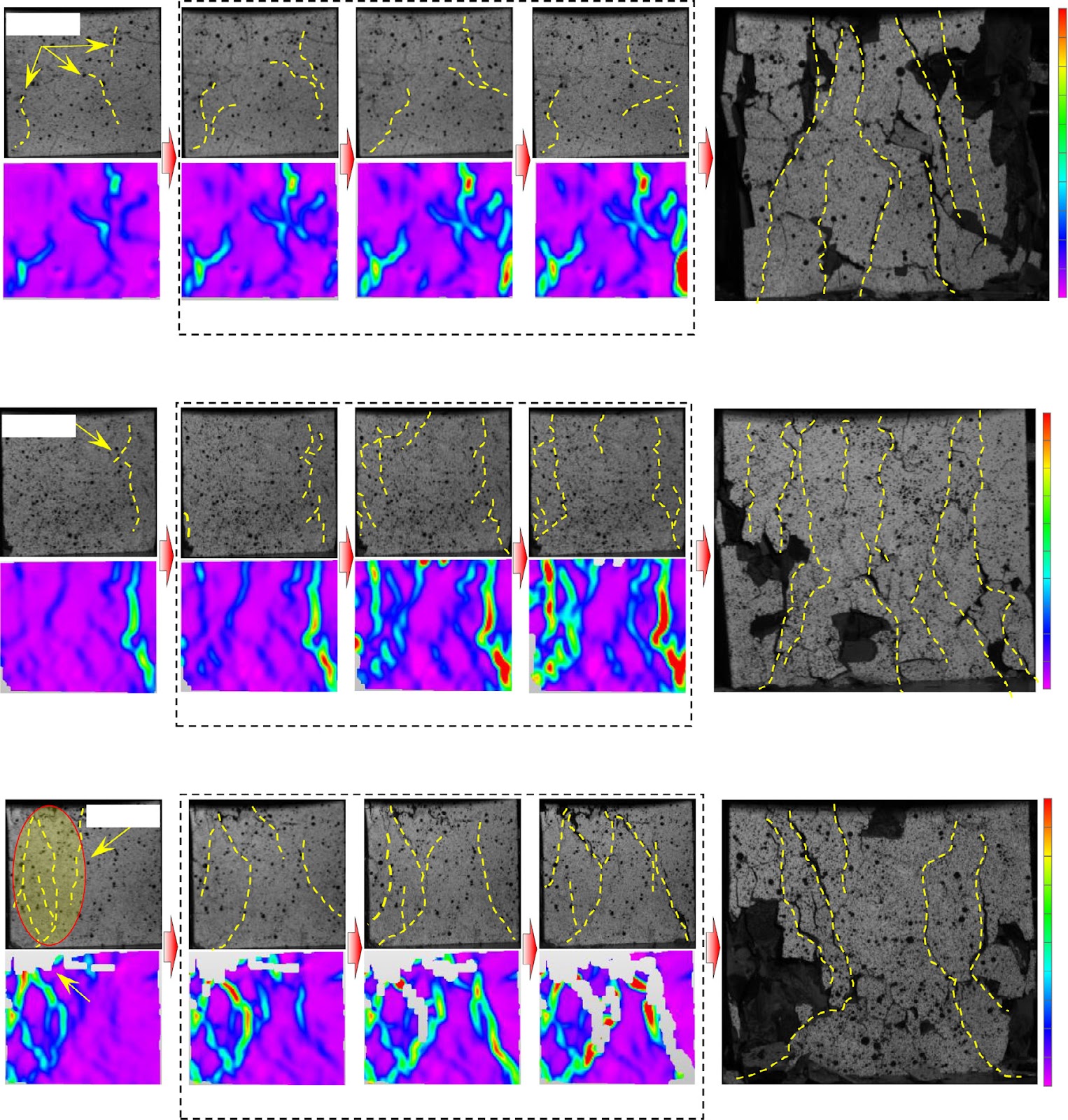
Cemented rockfill (CRF) combines structural support with sustainable reuse of coal-derived solid waste. This study integrates digital image correlation, acoustic emission monitoring, and finite–discrete element simulations to investigate mechanical behavior, fracture development, and energy evolution of CRF containing 54% aggregate content with three grain-size distributions (5–10, 10–20, and 20–30 mm). Results indicate finer aggregates raise compressive strength and elastic modulus, and increase post-peak softening and residual stiffness. Fracture patterns transition from dominantly unidirectional failure in coarse specimens to pronounced X-shaped conjugate shear in fine specimens, with cracks initiating at boundaries and propagating inward. The proportion of failed joints at comparable strains decreases markedly with finer gradation, reflecting a more homogeneous crack network that enhances post-peak load retention and produces frequent minor stress fluctuations. Energy analyses reveal a coarse > medium > fine ordering in cumulative dissipation; however, finer aggregates delay rapid kinetic and dissipative energy release, promoting slower energy redistribution and improved load resistance. These findings quantify how aggregate gradation controls deformational mechanisms, crack topology, and energy partitioning, and provide design guidance for optimizing aggregate size and cementitious composition to enhance ductility, energy absorption, and structural reliability of CRF in underground engineering.

Influence of Aggregate Particle Size on Fracture Behavior and Energy Evolution of Cemented Rockfill in the Post-Peak Stage
Graphical Abstract
Original ResearchVol. 32, Issue 1 • pp. 100-112DOI: 10.1016/j.ijmst.2026.01.002Jan 15, 2026

Load-bearing characteristics of backfilling solids in deep mining under flexible passive confining pressure: An experimental study

Authors: JU Minghe, ZHANG Bo, YU Liyuan, HU Chaohan, LI Baiyi, GU Wenzhe, DOU Linming, ZHANG Qiang, JI Hao, CHENG Ruyi

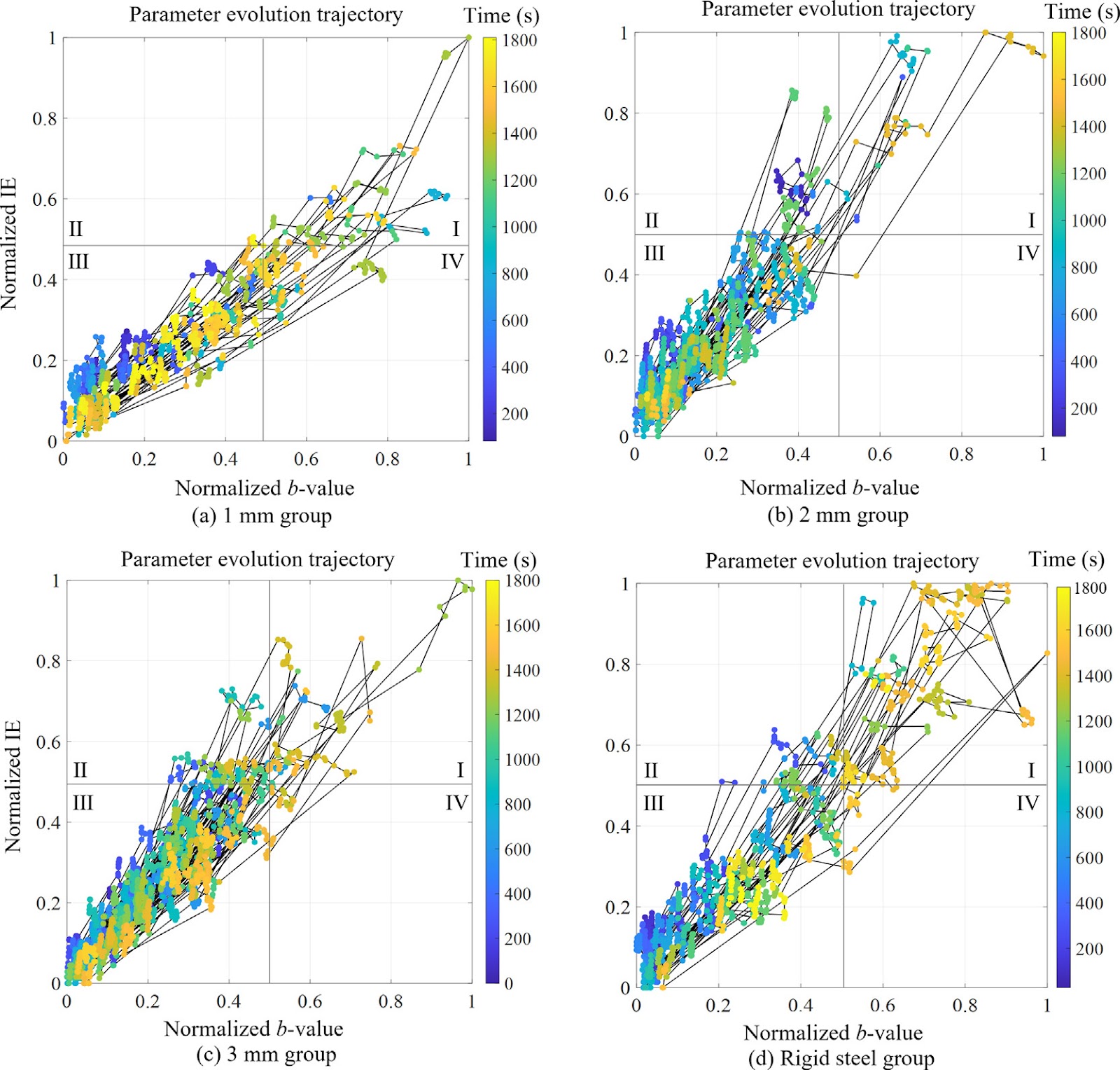
To address the deviation between rigid confining pressure experiments and actual engineering conditions of deep backfill mining, where backfill near the working face has less confining pressure, while that in deep goaf areas is under high confining pressure, this study investigates the load-bearing characteristics of rock granular materials under flexible passive confining pressure. Customized PC molds with varying wall thicknesses and rigid steel molds were used to construct a gradient confining pressure environment. Compression tests were conducted, combined with the characterization of acoustic emission (AE) monitoring, strain measurement, particle sieving, and scanning electron microscopy (SEM) observation. The results show that flexible passive confining pressure divides the particle compression process into three stages that are different from those under traditional rigid constraints, namely the initial compaction stage, the crushing failure stage, and the lateral confinement-dominated stage. AE signals exhibit a bimodal energy distribution, and the time interval between the two can vary by more than 4 times with changes. The failure modes transition from shear to tension. Compared with intact materials, granular materials under lateral confinement maintain continuous volume contraction, and can even maintain a continuous volume contraction trend at least when the strain reaches 8%. And lateral confinement stiffness significantly enhances axial bearing capacity: when the axial strain reaches 30%, the axial stress in the rigid confinement group is nearly 5 times that in the flexible confinement group. Fractal dimension increases from 1.94 to 2.39 as the confinement stiffness rises. This study clarifies the influence mechanism of lateral confinement stiffness on granular mechanics, providing fundamental support for optimizing backfill design based on goaf locations and improving surrounding rock control in deep green mining.

Load-bearing characteristics of backfilling solids in deep mining under flexible passive confining pressure: An experimental study
Graphical Abstract
Original ResearchVol. 32, Issue 1 • pp. 100-112DOI: 10.1016/j.ijmst.2026.01.001Jan 15, 2026

Influence mechanism of pore structure evolution on oxygen consumption dynamics during low-temperature oxidation of igneous metamorphic coal

Authors: Xu Shao, Botao Qin, Quanlin Shi, Ziwei Li, Bao Qu, Shibo Xu, Junyu Wang, Mingyue Weng

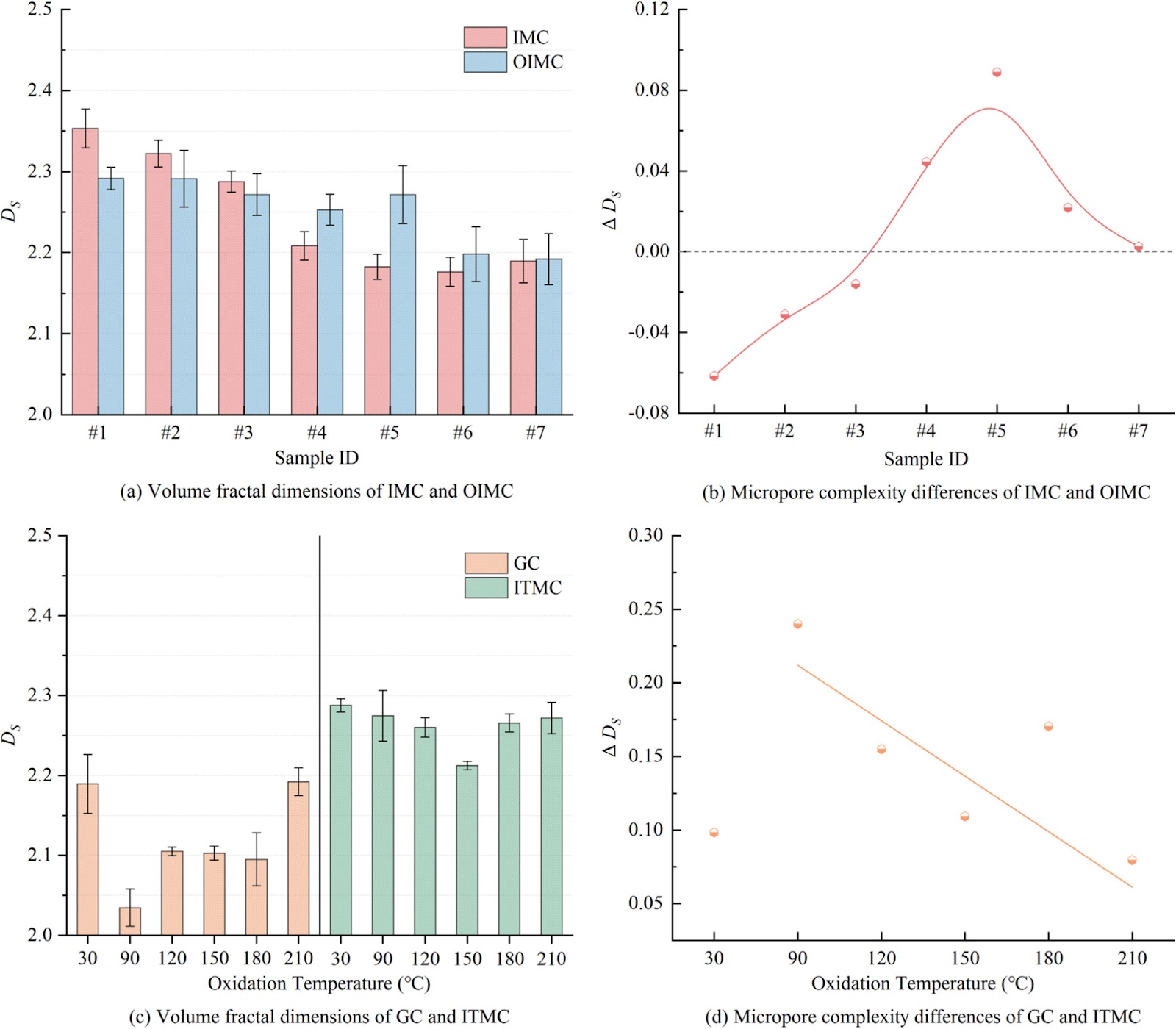
In igneous-intruded coal seams, coal undergoes significant metamorphism, which critically alters its pore structure and oxygen consumption dynamics, thereby elevating its spontaneous combustion tendency. This study investigates the specific surface area, pore volume, structure complexity/connectivity, heterogeneity/local features of pore size distribution, and oxygen consumption dynamics of igneous metamorphic coal through N2/CO2 isothermal adsorption tests and low-temperature oxidation experiments, and elucidates the influence mechanisms of pore structure evolution on oxygen consumption dynamics during low-temperature oxidation. With increasing metamorphic degree, igneous metamorphic coal exhibits a more pronounced reduction in specific surface area during oxidation, while the increase in structure complexity due to coal-oxygen reactions is suppressed. Thermally metamorphic coal demonstrates accelerated oxygen consumption, with oxidation amplifying the difference in reaction rates compared to raw coal. Key mechanisms include oxidation-induced reduction in mesopore complexity and micropore volume, decreased dominance of small-pore-volume apertures, and increased heterogeneity, collectively leading to a lower half-oxygen-consuming temperature and steeper oxygen consumption curves. Simultaneously, increased pore volume/complexity and reduced uniformity/connectivity act synergistically to enhance oxygen consumption capacity, highlighting the coupling between pore structure evolution and oxidation behavior in igneous metamorphic coal. This study provides theoretical insights into the pore-oxygen coupling mechanisms governing coal spontaneous combustion in igneous intrusion areas.

Influence mechanism of pore structure evolution on oxygen consumption dynamics during low-temperature oxidation of igneous metamorphic coal
Graphical Abstract
Original ResearchVol. 32, Issue 1 • pp. 100-112DOI: 10.1016/j.ijmst.2026.01.008Jan 15, 2026

Coupled TM-damage modeling and global sensitivity analysis of thermal spalling in heterogeneous rocks

Authors: LIU Liyuan, SHI Mingshan, ELSWORTH Derek, WANG Tao, JI Hongguang, ZHANG Le, LI Yaohui

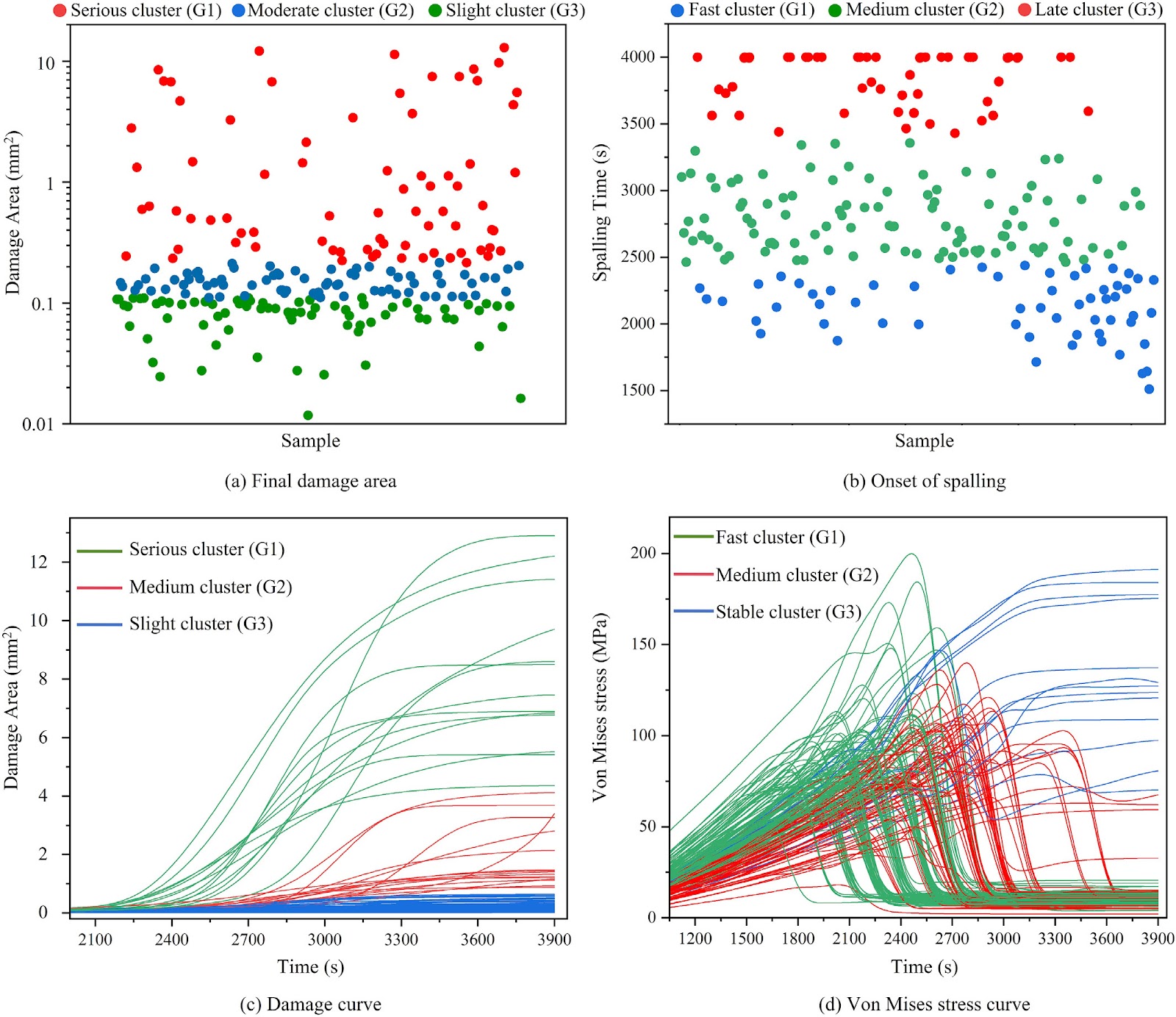
Thermal spalling in heterogeneous rocks under rapid heating poses critical risks to deep mining and geothermal operations. In this study, we develop a coupled thermal–mechanical–damage (TM-D) model that explicitly incorporates Weibull distributed heterogeneity to a single fracture in rock, and validate it against ceramic quenching and granite acoustic emission experiments. Distance based generalized sensitivity analysis (DGSA) is applied to quantify the influence and interactions of key parameters, revealing the dominant controls on spalling onset, severity, and damage morphology. The results demonstrate that thermal stress dominates crack initiation and propagation, that lateral constraints can significantly delay and suppress spalling, and that material heterogeneity markedly influences peak stress and damage modes within a certain range of thermal expansion coefficient and has multiple effects on thermal spalling. This study provides a theoretical basis for quantitative assessment and parameter optimization of thermal spalling processes in rock masses.

Coupled TM-damage modeling and global sensitivity analysis of thermal spalling in heterogeneous rocks
Graphical Abstract
Original ResearchVol. 32, Issue 1 • pp. 100-112DOI: 10.1016/j.ijmst.2026.01.006Jan 15, 2026

Investigation of Multiphase Fluid Seepage Behaviour in Abandoned Mines: Insights from Single Fracture to Network Scale

Authors: Kangsheng Xue, Hai Pu, Ming Li, Lulu Liu, Xiaoyan Liu, Dejun Liu

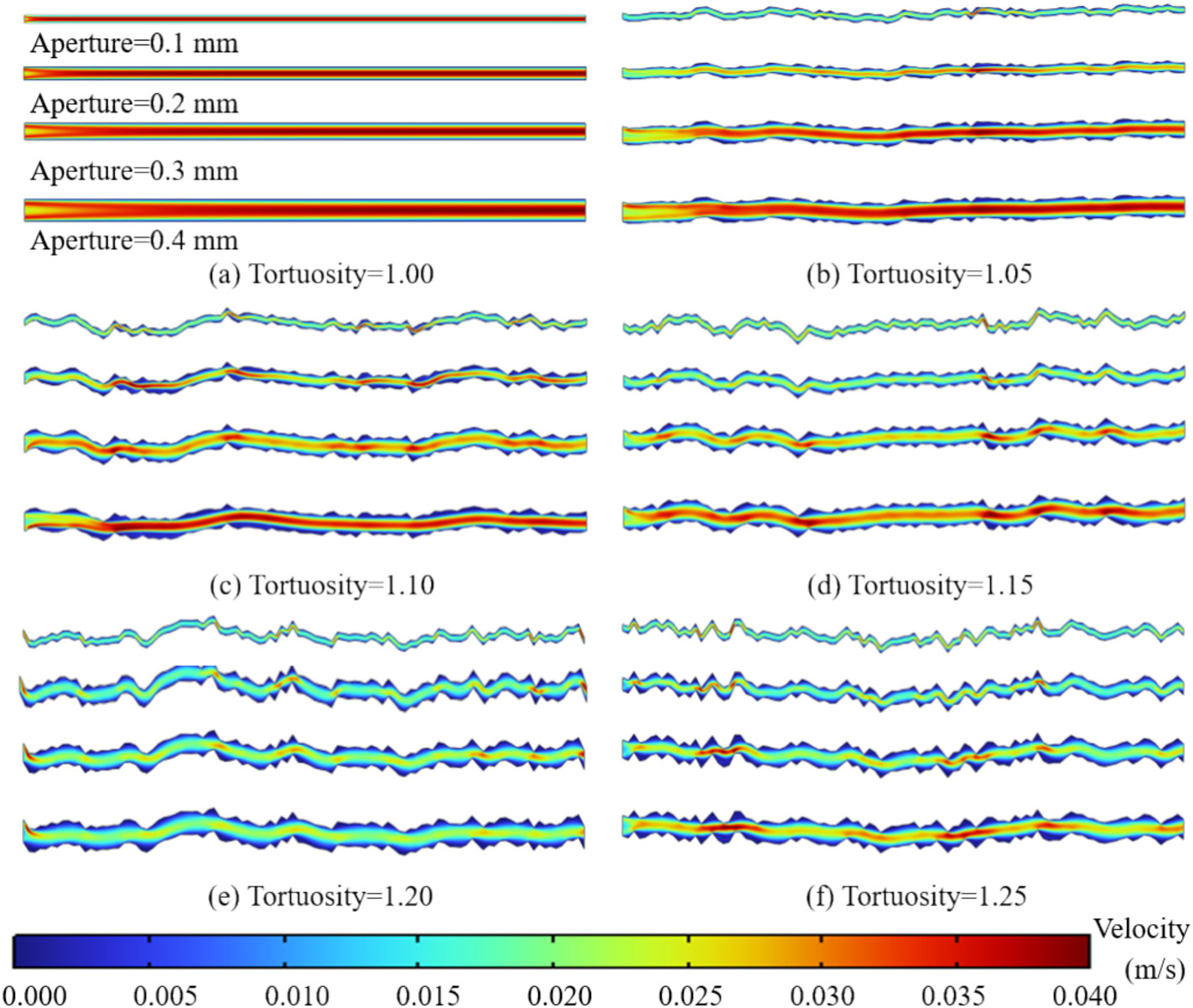
Quantifying two-phase fluid flow in fractured rocks is essential for resource reutilization in abandoned mines, subsurface energy recovery and underground waste isolation. This study develops a mathematical framework for predicting the permeability of rough fracture networks by integrating fractal geometry with single-phase and two-phase seepage theory. A permeability model for rough fracture networks is first established, and its sensitivity to key geometric parameters is analyzed. A second model is then formulated to relate water-phase saturation to measurable variables, enabling the estimation of two-phase permeability from Reynolds number and aperture. Model predictions show deviations of less than 10% from numerical simulations for both single-phase and two-phase flow, demonstrating the accuracy and robustness of the proposed approach. The results highlight the dominant roles of fracture number, tortuosity and aperture in controlling permeability, as well as the influence of flow regimes on relative permeability. The proposed framework provides a practical and physically based method for analyzing multiphase seepage in fractured rock and offers a foundation for further applications to field-scale fractured systems.

Investigation of Multiphase Fluid Seepage Behaviour in Abandoned Mines: Insights from Single Fracture to Network Scale
Graphical Abstract